Explore the Ancient Maya World
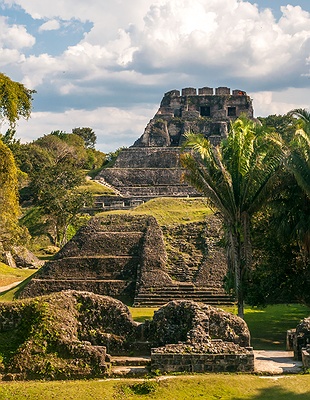
Guatemala, Belize and Honduras are home to major Maya sites. Explore Tikal and Caracol among tropical forests, while Copán is known for its carved stelae and Hieroglyphic Stairway.


Central America offers a diverse and captivating holiday experience for travellers seeking adventure, culture, and natural beauty. From the lush rainforests and volcanoes of Costa Rica to the ancient ruins of Mayan civilisation in Guatemala and Belize, this destination is a paradise for nature lovers and history enthusiasts alike.
Curated by our travel experts, updated weekly
Personalised Picks Expert CuratedTry adjusting your filters or explore all our destinations — your perfect getaway is just a click away.


12 Nights
30% Savings
Private Birding Tours
Flight Upgrades
Safari River Float
Guided Tour


11 Nights
31% Savings
Flights
Transfers
Accommodation


25% Savings
Flight Upgrades
Transfers Included
Oceanfront Stay


11 Nights
28% Savings
Flights
Transfers
Accommodation

7 Nights
30% Savings
Flights
Transfers
Accommodation


10 Nights
25% Savings
Flights
Transfers
Accommodation


7 & 10 Nights
25% Savings
Flights
Transfers
Accommodation


12 Nights
27% Savings
Flights
Transfers
Accommodation

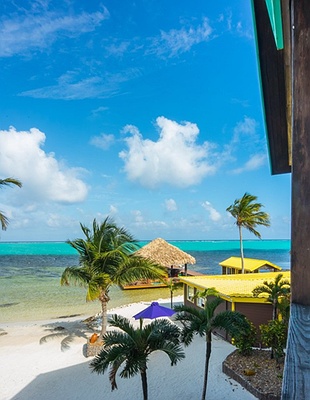
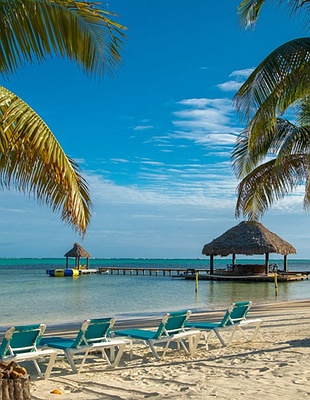
Flexible Travel Dates with Long-Haul City Escape
Hotels in Prime Locations
Best Value 32% Savings
Cultural Walking Guided Tour


10 Nights
Savings – Up to 28% Off
Flights
Airport Transfers
Quality Stays

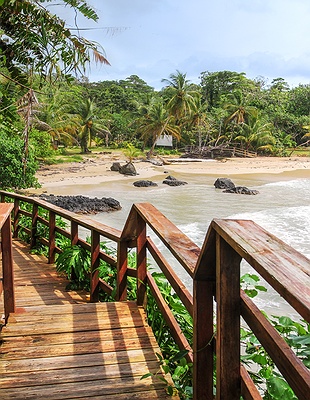
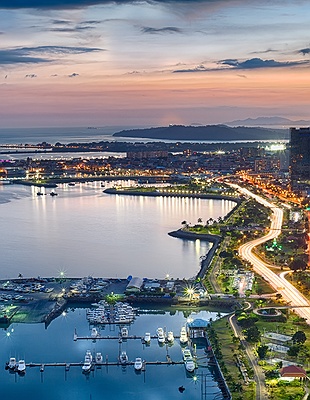
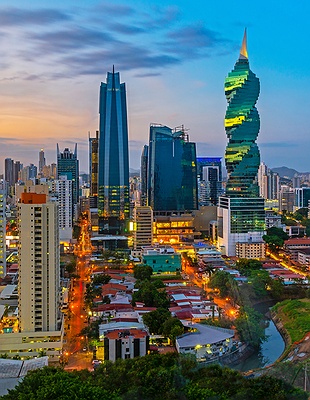
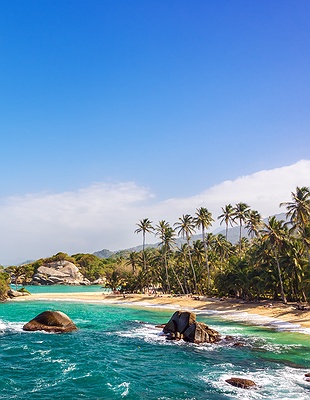
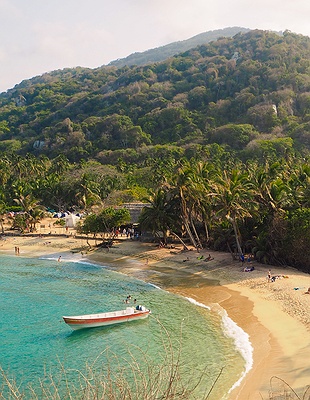
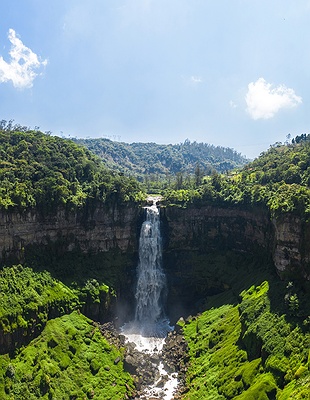
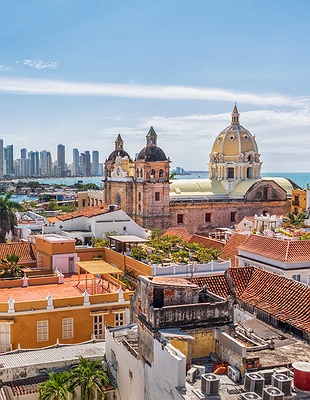




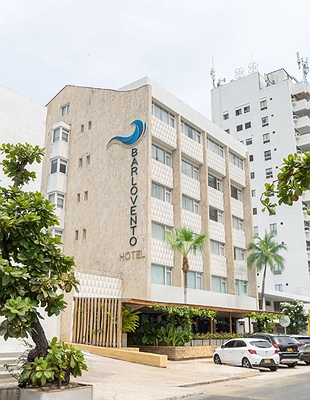
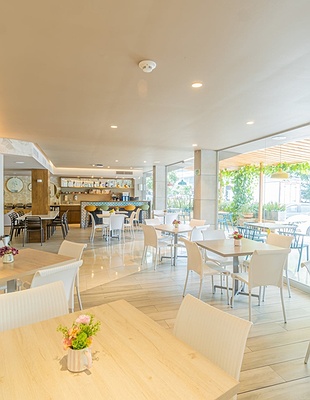
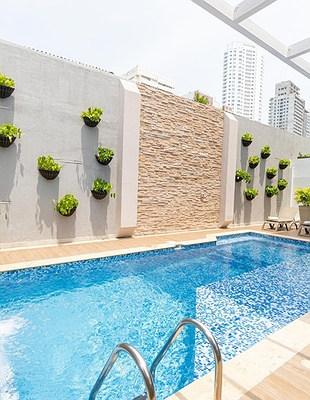
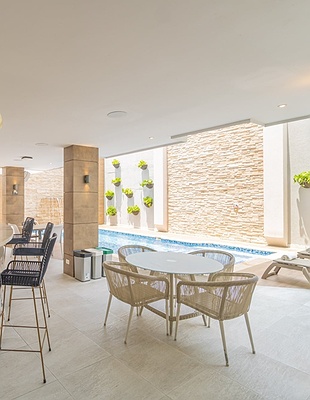
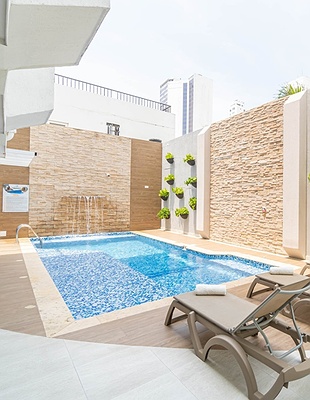
14 Nights Multi-city Panama & Colombia Escape
Take advantage of 34% off on exclusive holiday
Enhance journey with business or first class upgrades
Stay in handpicked 3* & 4* hotels throughout
Seamless Travel -Comfortable airport transfers throughout


10 Nights
30% Savings
Flights
Transfers
Accommodation

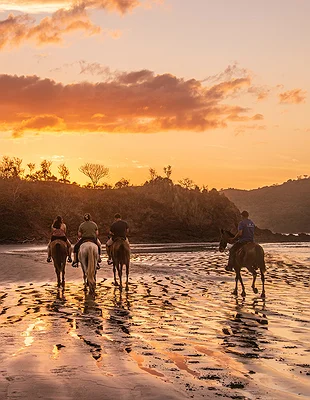
Flights with baggage
Airport transfers
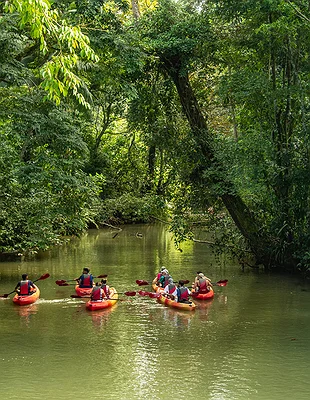
Shared rafting
Self-drive by 4X4 car


7 Nights
23% Savings Applied
International Flights
Private Transfers
Accommodation


7 Nights
Enjoy Up to 20% Savings on your Holiday
Return Flight from London
Enjoy Seamless Private Transfer
Accommodation
Peak season
The dry season brings sunnier weather and easier travel across most areas
Off-season
Wet season with rainfall varying regionally
 31° / 12°
5-250 mm
8 Hours
32° / 13°
5-180 mm
9 Hours
33° / 14°
5-150 mm
9 Hours
 34° / 16°
10-150 mm
8 Hours
 33° / 17°
100-300 mm
6 Hours
 32° / 17°
150-320 mm
5 Hours
31° / 16°
120-350 mm
5 Hours
31° / 16°
130-330 mm
6 Hours
31° / 16°
180-380 mm
5 Hours
30° / 16°
180-400 mm
5 Hours
30° / 15°
60-300 mm
6 Hours
30° / 14°
10-280 mm
7 Hours
Typical direct flight duration
CRC
GMT -6
Juan Santamaría International Airport


For stays up to 90 days
As of 2023
Maya ruins, active volcanoes, cloud forests, coral reefs and colonial towns are often only a few hours apart in Central America, so one trip can cover a lot of ground.
From Maya cities and volcano hikes to reef diving and turtle-nesting beaches, these are the experiences that define the region.
Maya, Indigenous, Spanish, African and Caribbean influences all shape the region's festivals, crafts, music and food.
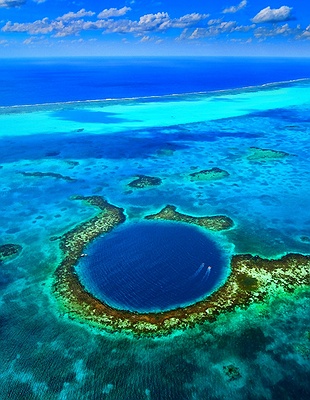
Ancient Maya cities, marine sinkholes, volcanoes, cloud forests and one of the world's most important waterways all feature among the region's highlights.
Corn, beans, rice, plantain, coconut and fresh seafood are the building blocks of Central American cooking.
Thick corn tortillas stuffed with cheese, beans or pork, served with curtido, a tangy pickled cabbage slaw.
Rice and beans fried with onion and peppers, usually eaten at breakfast with eggs, plantain and cheese.
An everyday plate of rice, beans, salad, plantain and meat, chicken or fish.
Flour tortillas folded around refried beans, cheese and cream, often with eggs, avocado or meat.
A spiced meat and vegetable stew thickened with roasted seeds and chillies, reflecting Maya and Spanish influences.
Corn dough filled with pork, rice and vegetables, wrapped in banana leaves and steamed, traditionally eaten at weekends.
Rice and beans cooked in coconut milk, served with chicken in a rich, savoury sauce.
Panama's national soup, made with chicken, ñame root and the herb culantro.
Fish cooked in coconut broth, served with mashed green and ripe plantain.
Fresh fish, often corvina, cured in lime juice with onion, chilli and coriander.
Check the latest FCDO advice before travelling. Use reputable operators, keep valuables secure and follow local guidance around active volcanoes. The Atlantic hurricane season runs from June to November, while the eastern Pacific season runs from May to November.
The Pacific and Caribbean coasts can have very different weather at the same time of year, so plan around both.
Mountain roads and border crossings slow overland travel, so allow extra time.
Carry cash in small denominations for markets and rural areas.
Bring clean, undamaged US dollar notes, as worn ones are often refused.
A few basic Spanish phrases go a long way.
Book tours, eco-lodges and domestic flights early for the dry season, Christmas, New Year and Semana Santa.
Use guides for volcano hikes and wildlife trips.
Ask before photographing people, especially in Indigenous communities.
Use reef-safe sunscreen and follow guidance when snorkelling or diving.
Leave room in your itinerary for weather, road conditions or volcanic activity.
Central America is made up of seven countries: Belize, Guatemala, Honduras, El Salvador, Nicaragua, Costa Rica and Panama.
The region forms a narrow land bridge between North and South America, separating the Caribbean Sea from the Pacific Ocean.
Volcán Tajumulco in Guatemala is the region's highest point, at 4,220 metres.
The Mesoamerican Reef is the largest reef system in the Western Hemisphere.
Lake Nicaragua is the largest lake in Central America.
The Panama Canal opened in 1914 and runs for approximately 80 kilometres.
Belize is the only Central American country with English as its official language.
El Salvador is the smallest country in Central America and the only one without a Caribbean coastline.
Costa Rica abolished its army in 1948.
Guatemala's national bird, the resplendent quetzal, also gives its name to the country's currency.
When is the best time to visit Central America?
December to April, the dry season across most of the region. The Caribbean coast is often drier in September and October.
How long should I spend in Central America?
One to two weeks suits a single country. For two or three countries, allow two to three weeks or more.
Do I need a visa to travel to Central America?
Visa requirements depend on your nationality and itinerary. Guatemala, El Salvador, Honduras and Nicaragua form the CA-4 area, but entry rules still vary by country. British nationals currently need a visa for Honduras, so always check the latest FCDO advice.
Is Central America suitable for first-time travellers?
Yes. Costa Rica, Belize and Panama in particular have well-developed tourism infrastructure.
Is it easy to travel between countries in Central America?
Yes. Popular destinations are connected by buses, private transfers and regional flights, although border procedures and journey times vary between countries.
What currency is used in Central America?
Currencies vary across Central America. The US dollar is used in El Salvador and circulates alongside the balboa in Panama. US dollars are also accepted in some tourist areas elsewhere.
Is English widely spoken in Central America?
Spanish is the main language, but English is official in Belize and spoken along parts of the Caribbean coast. It is commonly understood in tourist areas.
Is Central America good for family holidays?
Yes. Wildlife, beaches, zip-lining, turtle watching and easy rainforest walks all appeal to families.
Can I combine several Central American countries in one trip?
Yes. Guatemala with Belize, or Costa Rica with Panama, are popular pairings. Allow time for border crossings and transfers.
What you pack depends on the season and whether you are heading to the coast, the highlands or both.
Our dedicated travel consultants will help create a holiday that feels completely your own.
From flights and handpicked hotels to private transfers and memorable experiences, we’ll take care of every detail.