Ireland Holidays

2026, 2027 & 2028

SPEAK NOW
Ireland holidays

Overview

Ireland is one of the world’s most captivating and visited destinations, offering a blend of breathtaking landscapes, rich history, and warm hospitality. From the rugged coastlines of the Wild Atlantic Way to the lush green countryside dotted with ancient castles, this nation promises unforgettable adventures for every traveller. When planning a trip here, you can head to explore Dublin’s buzzing streets, Galway’s lively music scene, and Cork’s vibrant markets, or uncover the charm of smaller towns filled with magnificent architecture and friendly locals.

Read More
YOUR CURATED SELECTION

We've handpicked the best 1 Ireland Holidays for you

Curated by our travel experts, updated weekly

Personalised Picks Expert Curated

Our Top Ireland Holiday Deals

Save up to £449
Special Offer
What's Included in Your Package

7 Nights

29% Savings

Flights

Transfers

Accommodation

Price on Request
From
£1,998
1,549 / Per person

Essential Information

When to Visit

Peak season

June - August

The warmest months with up to 16 hours of daylight, perfect for coastal sightseeing and outdoor activities.

Off-season

November - February

Cooler, wetter, and darker winter days, though cities remain festive and cozy with traditional pubs.

HI / Lo°C Rainfall Sunshine
Jan Jan weather icon 8° / 3° 60-80 mm 2 Hours
Feb Feb weather icon 8° / 3° 50-70 mm 3 Hours
Mar Mar weather icon 10° / 4° 50-60 mm 4 Hours
Apr Apr weather icon 12° / 5° 45-55 mm 5 Hours
May May weather icon 15° / 8° 50-60 mm 6 Hours
Jun Jun weather icon 18° / 10° 55-65 mm 6 Hours
Jul Jul weather icon 20° / 12° 50-70 mm 5 Hours
Aug Aug weather icon 19° / 12° 60-80 mm 5 Hours
Sep Sep weather icon 17° / 10° 60-70 mm 4 Hours
Oct Oct weather icon 14° / 8° 70-90 mm 3 Hours
Nov Nov weather icon 10° / 5° 70-80 mm 2 Hours
Dec Dec weather icon 8° / 3° 70-90 mm 2 Hours

Ireland Map

Expand

Flight Time from London

Average direct flight duration

1h 15m

Currency

EUR

Euro

Time

GMT / GMT +1 (IST)

Europe/Dublin

Airport

Primary international gateway

DUB

Languages

Visa

Common Travel Area for UK citizens

Not Required

Population

Republic of Ireland

5.1 million

Famous For

Visa Information

British citizens do not need a visa to travel to Ireland under the Common Travel Area (CTA). However, UK residents travelling on a non-British passport should check Ireland’s entry requirements for their nationality before departure, as they may require a visa.

Travel ID & Validity

Your passport should be valid for the duration of your stay in Ireland. While British citizens travelling under the Common Travel Area are not subject to a minimum passport validity requirement.

Things to Do

Explore ancient castles, dramatic coastlines, lively cities and welcoming pubs while enjoying Ireland’s music, history, outdoor adventures and warm hospitality.

Adventure

Ireland's landscapes invite you to get involved rather than simply admire them, from Atlantic swells and sea cliffs to caves and island-studded bays.

History

Ireland's past lives on through prehistoric monuments, medieval strongholds and former prisons, each revealing a different chapter of the island's story.

Culture

Ireland's culture is woven into everyday life, where music, language, sport and storytelling continue to shape communities across the country.

Events

Ireland's festivals celebrate everything from national identity and traditional music to literature and centuries-old customs, bringing towns and cities to life throughout the year.

Entertainment

When the sightseeing winds down, Ireland has a habit of keeping you out a little longer—whether that's for one more song, another dram of whiskey or an evening at the theatre.

Top Attractions in Ireland

What to Eat

Explore Ireland’s flavours through hearty classics, fresh seafood, traditional breads and comforting pub dishes rooted in local heritage and hospitality.

Irish Stew

A traditional comfort dish made with lamb, potatoes, onions and carrots, often enjoyed on colder days.

Boxty

A traditional Irish potato pancake, usually served with savoury fillings or alongside breakfast dishes.

Seafood chowder

A creamy coastal favourite packed with fresh fish, mussels, prawns and local shellfish.

Soda bread

A classic Irish bread made with baking soda instead of yeast, often served with butter.

Full Irish breakfast

A hearty morning meal featuring eggs, sausages, bacon, black pudding, tomatoes and toast.

Colcannon

A traditional side dish combining mashed potatoes with cabbage or kale and plenty of butter.

Dublin coddle

A slow-cooked Dublin speciality made with sausages, bacon, potatoes and onions.

Barmbrack

A warming drink consisting of hot coffee, smooth Irish whiskey, and sugar, topped off with thick, fresh cream.

Irish cheddar

Sample locally produced cheeses, often made using milk from Ireland’s lush green pastures.

Facts about Ireland

  • Ireland is known as the Emerald Isle due to its lush green landscapes and rolling countryside.

  • The island of Ireland is divided between the Republic of Ireland and Northern Ireland.

  • Ireland has four provinces: Leinster, Munster, Connacht and Ulster, each with distinct traditions.

  • The Irish language, or Gaeilge, is one of the country’s official languages alongside English.

  • Ireland is home to Newgrange, a prehistoric monument older than Stonehenge and the Egyptian pyramids.

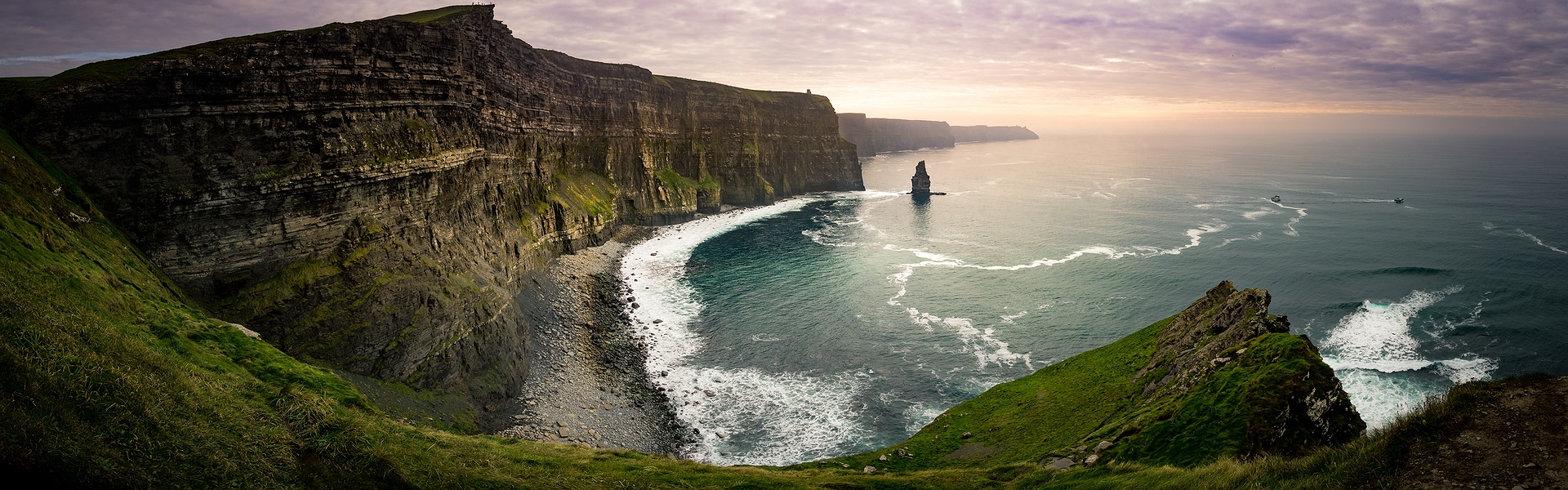
  • The Cliffs of Moher rise over 200 metres above the Atlantic Ocean along Ireland’s western coast.

  • Ireland is famous for its literary heritage, producing writers like James Joyce and Oscar Wilde.

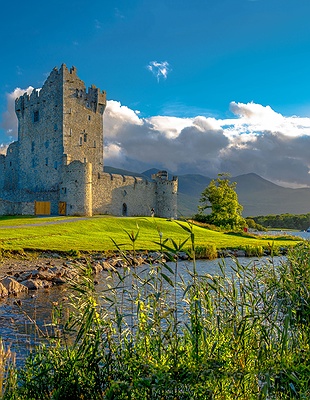
  • Ireland has more than 30,000 castles and castle ruins spread across its countryside.

  • The Giant’s Causeway in Northern Ireland features around 40,000 interlocking basalt columns formed by volcanic activity.

  • Traditional Irish music and dance remain important parts of the country’s cultural identity.

  • St Patrick’s Day is celebrated worldwide on 17 March, honouring Ireland’s patron saint.

  • Ireland is home to native wildlife including red deer, the only surviving native deer species.

  • The country is famous for Guinness, which has been brewed at St James’s Gate in Dublin since 1759.

Tips for Visiting Ireland

  • Hire a smaller car for countryside trips, as many rural roads are narrow and winding.

  • Remember to drive on the left and follow speed limits on Ireland’s roads.

  • Use public transport in cities like Dublin and Cork to avoid parking challenges.

  • Check seasonal opening hours before visiting smaller museums, castles and heritage attractions.

  • Allow extra time for scenic drives, as Ireland’s countryside routes are slower-paced.

  • Wear comfortable shoes for exploring cliffs, castles, hiking trails and national parks.

  • Download the TFI Live app for transport updates and journey planning.

  • Respect Ireland’s landscapes by following marked paths and leaving natural areas untouched.

  • Carry euros for the Republic of Ireland and British Pound Sterling (£) for Northern Ireland.

  • Visit traditional pubs for authentic Irish music, food and friendly local conversations.

  • Check tide times before visiting beaches, coastal paths and sea-side attractions.

  • Learn simple Irish words like “sláinte” to appreciate local culture and traditions.

Travel Advice & Safety

Ireland has reliable emergency services available nationwide. In urgent situations involving police, fire or medical assistance, call the national emergency number for immediate help.

Emergency numbers

Police
112 · 999
Fire Department
112 · 999
Ambulance
112 · 999

Is it Safe to Travel to Ireland?

Ireland is considered one of Europe’s safest destinations, with a welcoming atmosphere, low levels of serious crime and well-developed travel infrastructure. However, visitors should remain aware of everyday risks, particularly when driving, exploring coastal areas or enjoying Ireland’s outdoor landscapes. Simple precautions, such as keeping valuables secure, checking weather conditions and following local guidance, will help ensure a safe and enjoyable journey.

Key Safety Considerations

  • Be careful around coastal areas: Ireland’s Atlantic coastline can have strong currents, slippery rocks and changing sea conditions.

  • Prepare for outdoor activities: Check weather conditions before hiking, walking cliffs or exploring remote areas, as conditions can change quickly.

  • Keep belongings secure: Take normal precautions in busy tourist areas, public transport and crowded events to avoid petty theft.

  • Follow local safety guidance: Pay attention to warning signs, park notices and advice when visiting natural attractions or heritage sites.

Local Laws & Culture

  • Respect Irish traditions: Hospitality, storytelling, music and community are central to Irish culture, so engage with locals respectfully.

  • Follow alcohol laws: The legal drinking age is 18, and some public areas may have restrictions on alcohol consumption.

  • Respect the Irish language: Gaeilge is an official language, especially important in Gaeltacht regions where it remains widely used.

  • Protect historic sites: Avoid climbing, touching or damaging ancient monuments and protected heritage locations.

  • Follow smoking rules: Smoking is banned in enclosed public spaces, including pubs, restaurants and public transport.

Speak to a Travel Expert

Our dedicated travel consultants will help create a holiday that feels completely your own.

From flights and handpicked hotels to private transfers and memorable experiences, we’ll take care of every detail.

CALL OUR EXPERTS

You Book a Holiday

We Plant a Tree

WhatsApp

Subscribe for Exclusive
Travel Deals & Offers

Be the first to know about luxury escapes, hidden gems, and limited-time discounts sent directly to your phone.

QR code to join our WhatsApp channel
Scan to join

Let the World Come to You!

Sign up for our curated selection of luxury travel inspiration and exclusive offers delivered directly to your inbox.