Should I explore one country or combine several?
Both work well. One-country holidays allow more time for regional travel, while neighbouring countries can often be combined easily by rail, road or short flights.
Is travelling around Europe by train better than flying?
For many city-to-city routes, trains are convenient and take travellers directly between central areas. Flights can be more practical for longer distances, islands or less-connected regions.
Can I travel freely between European countries?
Many European countries are part of the Schengen area, where routine internal border checks are generally absent. However, rules depend on the countries visited and the traveller’s nationality.
Does one currency work everywhere in Europe?
No. The euro is used across much of Europe, but countries including the United Kingdom, Switzerland, Poland, Hungary and Czechia use their own currencies.
How many European cities should I include in one holiday?
Fewer usually works better. Spending several nights in each destination gives visitors more time to explore neighbourhoods, museums and local restaurants without turning the holiday into a sequence of transfers.
Are European cities easy to explore without a car?
Many are. Historic centres are often walkable and major cities usually have extensive metro, tram, bus or suburban rail networks. A car becomes more useful for countryside, coastal and rural itineraries.
Is summer always the best time to visit Europe?
Not necessarily. Summer works particularly well for beaches and outdoor travel, while spring and autumn often bring milder sightseeing conditions. Winter suits Christmas markets, skiing and northern seasonal experiences.
Can I combine cities with beaches or countryside in the same holiday?
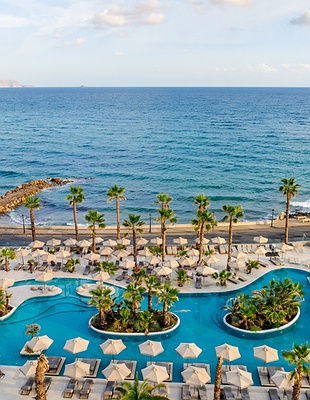
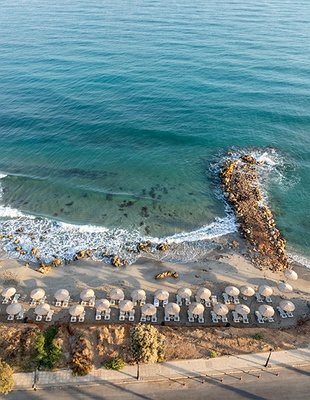
Yes. Europe’s relatively short distances make combinations such as city-and-coast, city-and-mountains or city-and-wine-region itineraries practical within a single holiday.
Do restaurants and shops follow the same opening hours across Europe?
No. Opening hours and meal times differ significantly between regions, and some businesses close on particular weekdays, during afternoon breaks or on public holidays.
How far in advance should I book a European holiday?
Popular summer destinations, rail routes and major attractions are worth arranging early, especially during school holidays and major events. Travel outside peak periods generally offers more flexibility.































 3° / -3°
 5° / -2°
 9° / 1°
 14° / 4°
 7° / 2°