Gran Canaria Holidays

2026, 2027 & 2028

SPEAK NOW
Gran Canaria Holidays

Overview

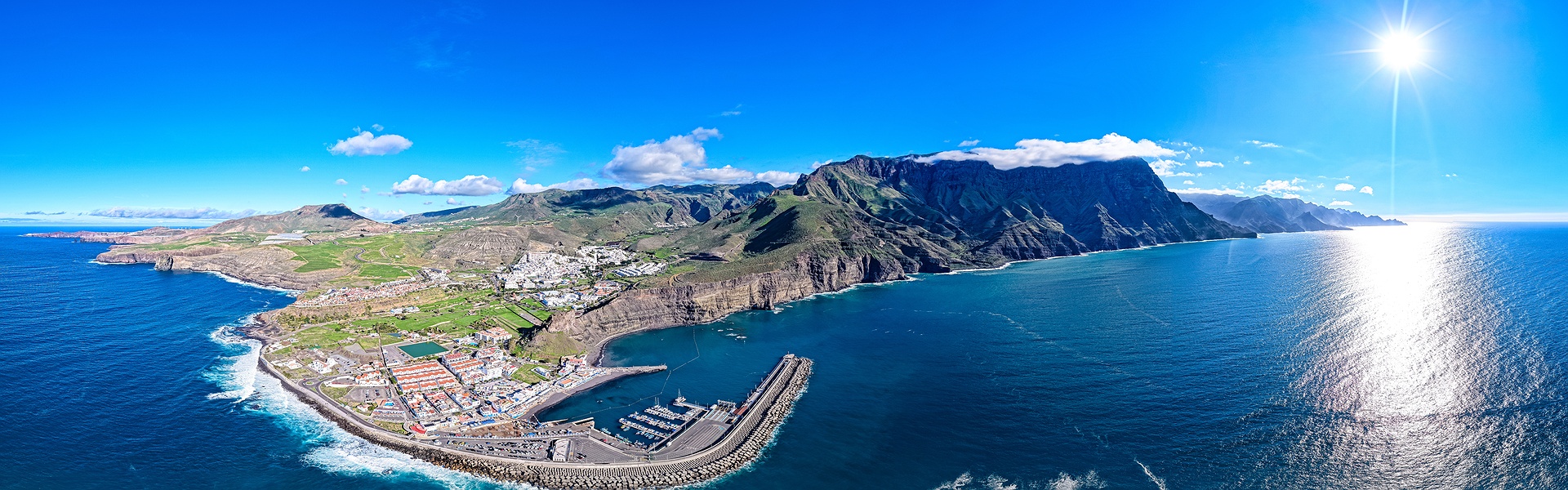
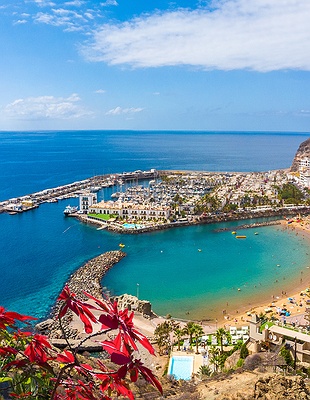
Set in the heart of the Canary Islands off the northwest coast of Spain, Gran Canaria holidays promise unforgettable sunshine, diverse landscapes, and exciting experiences for every type of traveller. Often described as a miniature continent, Gran Canaria holidays are set on their own miniature continent thanks to the island’s incredible variety of scenery and climates. The sun shines year-round on this lovely island, making it a perfect escape whether you’re planning a winter break or a summer getaway. Jet off to the beautiful island of Gran Canaria, where Gran Canaria holidays are filled with sun, sea, and stunning scenery, from golden Blue Flag beaches in popular resorts like Maspalomas and Playa del Inglés to charming historic streets in Las Palmas de Gran Canaria.

Read More
YOUR CURATED SELECTION

We've handpicked the best 2 Gran Canaria Holidays for you

Curated by our travel experts, updated weekly

Personalised Picks Expert Curated

Our Best Grand Canaria Holidays

Save up to £546
2026, 2027 & 2028 bookings on SALE now
What's Included in Your Package

10 Nights

30% Savings

Flights

Transfers

Accommodation

Price on Request
From
£2,365
1,819 / Per person
Save up to £619
2026, 2027 & 2028 bookings on SALE now
What's Included in Your Package

10 Nights

35% Savings

Flights

Transfers

Accommodation

Price on Request
From
£2,388
1,769 / Per person

Essential Information

When to Visit

Peak season

November - April

A very popular winter sun escape. Temperatures are warm and comfortable, perfect for exploring both coastlines and mountains.

Off-season

May - October

Summer months bring hotter temperatures and dryer conditions. It is a fantastic time for beach-goers and offers great value.

HI / Lo°C Rainfall Sunshine
Jan Jan weather icon 21° / 15° 15-25 mm 6 Hours
Feb Feb weather icon 21° / 15° 15-25 mm 6 Hours
Mar Mar weather icon 22° / 16° 10-20 mm 7 Hours
Apr Apr weather icon 23° / 16° 5-10 mm 8 Hours
May May weather icon 24° / 17° 1-5 mm 9 Hours
Jun Jun weather icon 26° / 19° 0-2 mm 10 Hours
Jul Jul weather icon 27° / 21° 0-1 mm 10 Hours
Aug Aug weather icon 28° / 22° 0-1 mm 10 Hours
Sep Sep weather icon 27° / 21° 5-10 mm 8 Hours
Oct Oct weather icon 26° / 20° 10-20 mm 7 Hours
Nov Nov weather icon 24° / 18° 15-25 mm 6 Hours
Dec Dec weather icon 22° / 16° 20-30 mm 6 Hours

Gran Canaria Map

Expand

Flight Time from London

Average direct duration

4h 30m

Currency

EUR

Euro

Time

GMT +0 / +1 BST

Atlantic/Canary

Airport

Gran Canaria Airport

LPA

Languages

Visa

Schengen rules apply

Not Required

Population

Gran Canaria islanders

860,000

Famous For

Visa Information

British citizens travelling to Gran Canaria for tourism do not normally need a visa for short stays. As Gran Canaria is part of Spain and the Schengen area, the standard limit is 90 days in any 180-day period.

Passport Validity

A British passport must have been issued less than 10 years before arrival and remain valid for at least 3 months after the planned departure from the Schengen area.

Things to Do

Gran Canaria brings together beaches, historic towns, local food, cultural traditions and varied landscapes, offering plenty beyond its famous resorts.

Adventure

Gran Canaria rewards active travellers with old mountain paths, challenging cycling climbs, Atlantic surf and routes through its deeply carved volcanic interior.

History

Gran Canaria’s archaeological landmarks reveal an indigenous island society through painted caves, cliffside granaries, burial grounds and settlements carved into volcanic landscapes.

Culture

Gran Canaria’s cultural identity is particularly visible in indigenous-inspired designs, specialist crafts and traditions preserved by communities across the island.

Events

Gran Canaria’s annual calendar combines pilgrimages, unusual village traditions, outdoor challenges and events shaped by the island’s strong relationship with the Atlantic.

Top Attractions in Gran Canaria

Gran Canaria’s defining sights range from monumental volcanic scenery and rolling dunes to fishing towns, crater landscapes and sweeping mountain viewpoints.

What to Eat

Gran Canaria’s food goes beyond wider Canarian staples, with distinctive cheeses, mountain specialities, local coffee and recipes closely associated with individual towns.

Queso de Flor de Guía

Traditional cheese made using cardoon flower as vegetable rennet.

Chorizo de Teror

Soft, spreadable pork sausage seasoned with garlic and spices, associated with Teror.

Coffee from Agaete

Locally grown coffee produced in the fertile Agaete Valley in north-west Gran Canaria.

Carajacas

Thin slices of liver marinated with garlic, cumin, paprika and vinegar before cooking.

Gofio Escaldado

Toasted cereal flour mixed with hot stock into a thick savoury accompaniment.

Potaje de Berros

Watercress stew with vegetables, potatoes and other hearty ingredients.

Bienmesabe

Sweet almond mixture traditionally prepared with sugar, eggs and citrus flavours.

Marzipan from Tejeda

 Almond-based sweets strongly associated with Gran Canaria’s mountain village of Tejeda.

Local Olives

Seasoned island-grown olives remain particularly associated with agricultural areas such as Santa Lucía.

Fresh Atlantic Fish

Coastal restaurants serve locally caught fish prepared simply with potatoes, salad or mojo.

Gran Canaria Wines

 Vineyards produce distinctive wines across volcanic and upland areas of the island.

Papas Arrugadas

Small, salted potatoes remain an essential accompaniment to mojo and many local meals.

Tips for Visiting Gran Canaria

  • Choose your base carefully, as Las Palmas, the mountains and southern resorts offer very different stays.

  • Hire a car if visiting remote villages, mountain viewpoints and quieter stretches of coastline.

  • Allow extra time for inland drives because mountain roads can be steep and winding.

  • Expect noticeable temperature changes between the south coast and the central highlands.

  • Start longer mountain walks early, particularly during warmer months.

  • Use local buses, known as guaguas, for journeys between many towns and resorts.

  • Spend time in northern and inland communities such as Agaete, Teror, Tejeda and Artenara.

  • Carry water on rural walks because shade and facilities can be limited.

  • Check opening times before visiting smaller museums and archaeological centres.

  • Group nearby mountain villages and viewpoints together to avoid unnecessary journeys across the island.

Facts About Gran Canaria

  • Gran Canaria is often described as a “miniature continent” because of its remarkable variety of landscapes and microclimates.

  • Gran Canaria is the third-largest Canary Island, covering approximately 1,560 square kilometres.

  • Las Palmas de Gran Canaria was founded on 24 June 1478 during the Castilian conquest of the island.

  • The Castilian conquest of Gran Canaria lasted around five years and was completed in 1483.

  • Christopher Columbus visited Gran Canaria during his first voyage to the Americas in 1492.

  • Around 46% of Gran Canaria forms part of its UNESCO Biosphere Reserve, designated in 2005.

  • Risco Caído and the Sacred Mountains of Gran Canaria became a UNESCO World Heritage Site in 2019.

  • Gran Canaria has more than 60 kilometres of beaches spread along its extensive Atlantic coastline.

  • Las Palmas de Gran Canaria is one of the two capitals of the Canary Islands, alongside Santa Cruz de Tenerife.

  • The historic Hotel Santa Catalina opened in 1890, reflecting Gran Canaria’s long-established tourism tradition.

What to Pack

Gran Canaria’s warm coast, cooler mountains and varied outdoor activities make light clothing, sun protection and a few practical layers essential.

Travel Advice and Safety

Conditions can vary noticeably between Gran Canaria’s beaches, inland valleys and higher mountain areas, so local weather and sea conditions are worth checking before outdoor activities.

Emergency numbers

Police
112
Fire Department
112
Ambulance
112

Is It Safe to Travel to Gran Canaria?

Gran Canaria is generally considered safe for visitors, with well-developed tourist areas and most trips passing without problems. Staying aware of local conditions and following current travel advice can help keep your holiday straightforward.

Key Safety Considerations

  • Keep phones, wallets and bags secure in busy resorts, beaches and transport areas.

  • Follow beach flags and lifeguard instructions, as Atlantic waves and currents can be strong.

  • Carry water, sun protection and suitable footwear on exposed inland routes.

  • Expect cooler and windier conditions in the mountains than along the southern coast.

  • Check local conditions before hiking during periods of heat, strong winds or wildfire risk.

Local Laws & Culture

  • Illegal drugs can lead to fines or more serious penalties.

  • Carry identification, as Spanish police may ask visitors to prove their identity.

  • Drinking alcohol in unauthorised public spaces may be restricted or fined locally.

  • Avoid damaging volcanic formations, archaeological remains or protected landscapes.

  • Follow local access rules around beaches, natural areas and archaeological sites.

Speak to a Travel Expert

Our dedicated travel consultants will help create a holiday that feels completely your own.

From flights and handpicked hotels to private transfers and memorable experiences, we’ll take care of every detail.

CALL OUR EXPERTS

You Book a Holiday

We Plant a Tree

WhatsApp

Subscribe for Exclusive
Travel Deals & Offers

Be the first to know about luxury escapes, hidden gems, and limited-time discounts sent directly to your phone.

QR code to join our WhatsApp channel
Scan to join

Let the World Come to You!

Sign up for our curated selection of luxury travel inspiration and exclusive offers delivered directly to your inbox.