Switzerland Holidays

SPEAK NOW

Overview

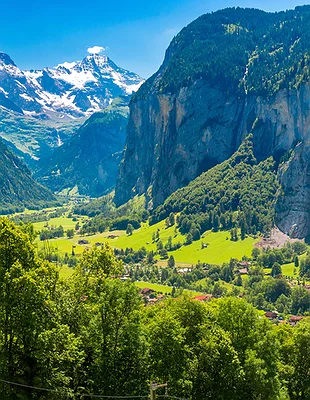
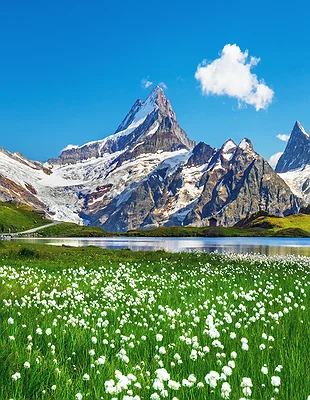
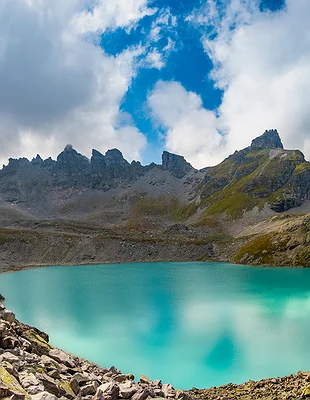
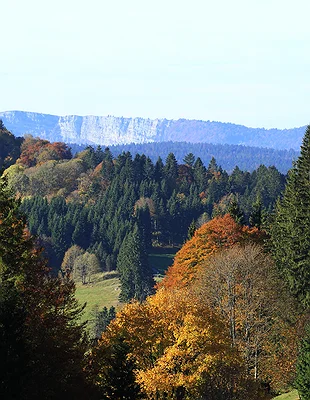
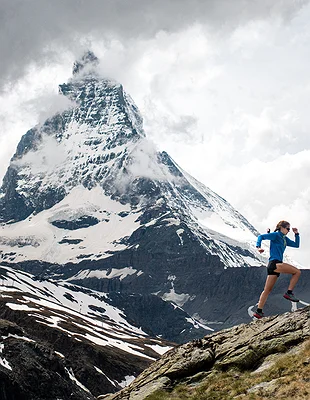
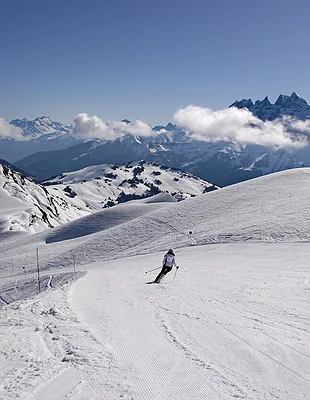
Switzerland is popular for its dramatic Alpine scenery, precision watchmaking, rich chocolate, and a deeply ingrained culture of efficiency and outdoor adventure. Switzerland is famed for its majestic mountains, diverse cities and vast lakes, making it a bucket-list destination for travellers seeking both adventure and relaxation. Universally recognised for its breathtaking landscapes, Switzerland is all about mountains, lakes and heritage-soaked cities that seamlessly blend natural wonders with cosmopolitan charm. For UK travellers looking to immerse themselves in this alpine paradise, there is no shortage of incredible things to see and do. You can explore iconic resorts, scenic rail journeys, and world-famous peaks like the Matterhorn and the Jungfrau, which offer unparalleled panoramic views.

Read More
YOUR CURATED SELECTION

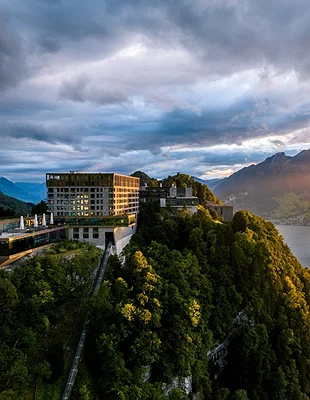
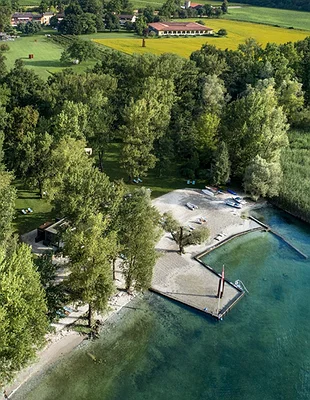
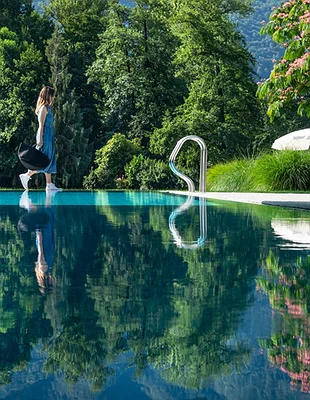
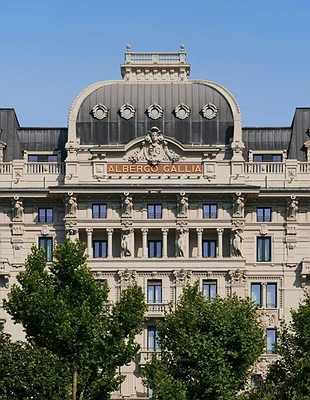
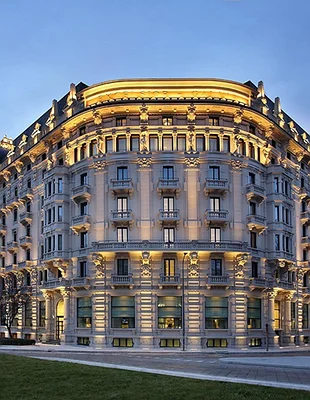
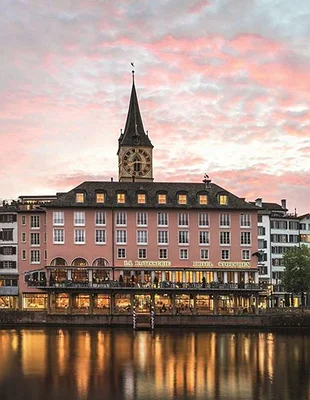
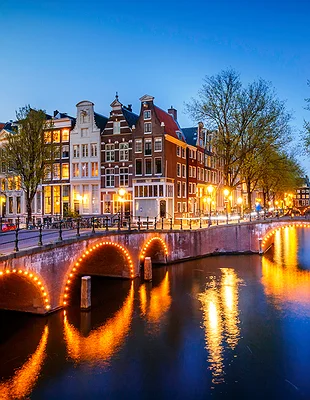
We've handpicked the best 4 Switzerland Holidays for you

Curated by our travel experts, updated weekly

Personalised Picks Expert Curated

Our Top Switzerland Holiday Deals

Save up to £230
2026, 2027 & 2028 bookings on SALE now
What's Included in Your Package

3 Nights

25% Savings

Flights

Accommodation

Price on Request
From
£1,149
919 / Per person
Save up to £1,431
Special Offer
What's Included in Your Package

Return flights from the London

Private Return Airport Transfers

Bed & Breakfast

Twin Centre

Price on Request
From
£6,730
5,299 / Per person
Save up to £1,600
Special Offer
What's Included in Your Package

33% Savings

10 Nights

Return flights from the UK

Private Transfers

Price on Request
From
£6,449
4,849 / Per person
Save up to £1,600
2026, 2027 & 2028 bookings on SALE now
What's Included in Your Package

32% Savings

10 Nights

Return flights from the UK

Private Transfers

Price on Request
From
£6,599
4,999 / Per person

Essential Information

When to Visit

Peak season

July - August

The warmest summer months are ideal for alpine hiking, sightseeing, and lake swimming, alongside a secondary winter peak from December to March.

Off-season

October - November

A quiet autumn window when major mountain transport networks temporarily shut down for maintenance before the ski season begins.

HI / Lo°C Rainfall Sunshine
Jan Jan weather icon 3° / -3° 50-70 mm 2 Hours
Feb Feb weather icon 5° / -3° 45-65 mm 3 Hours
Mar Mar weather icon 10° / 1° 55-75 mm 4 Hours
Apr Apr weather icon 14° / 4° 65-85 mm 5 Hours
May May weather icon 19° / 8° 80-100 mm 6 Hours
Jun Jun weather icon 22° / 12° 90-110 mm 7 Hours
Jul Jul weather icon 24° / 14° 80-100 mm 8 Hours
Aug Aug weather icon 24° / 13° 85-105 mm 7 Hours
Sep Sep weather icon 19° / 10° 70-90 mm 5 Hours
Oct Oct weather icon 14° / 6° 60-80 mm 3 Hours
Nov Nov weather icon 7° / 1° 60-80 mm 2 Hours
Dec Dec weather icon 4° / -2° 60-80 mm 1 Hours

Switzerland Map

Expand

Flight Time from London

Non-stop duration

1h 40m

Currency

CHF

Swiss Franc

Time

GMT +1

Europe/Zurich

Airport

Main entry point

ZRH

Languages

Visa

Schengen Area rules

Not Required

Population

as of 2023

8.9 million

Famous For

Visa Information

British citizens can visit Switzerland without a visa for short stays, although different requirements apply depending on the purpose and length of the trip.

Passport Validity Reminder

Your passport must have been issued less than 10 years before arrival and be valid for at least three months after leaving the Schengen area.
Things to Do

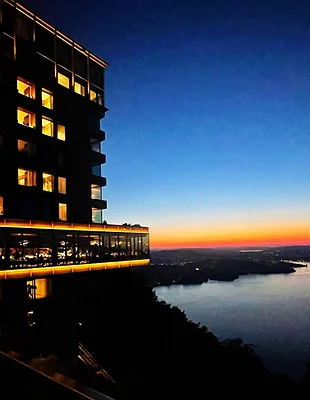
Switzerland gives visitors an unusually concentrated mix of Alpine landscapes, lakes, historic cities, scenic railways and outdoor experiences, making it possible to move from high mountain scenery to medieval old towns and Italian-influenced lakesides within a single trip.

Adventure

Switzerland’s mountains, glaciers, rivers and deep valleys give visitors access to some of Europe’s most distinctive outdoor experiences, from high-altitude hiking and via ferrata routes to rafting, paragliding and guided glacier crossings.
History

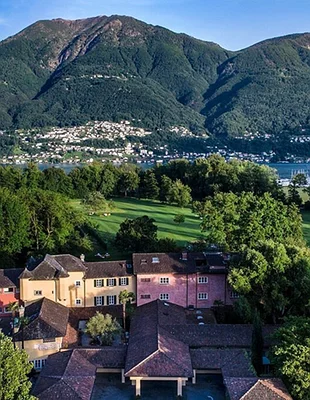
Switzerland’s history extends from Roman settlements and medieval monasteries to fortified Alpine trading routes and towns that later became centres of the modern Confederation, giving visitors remarkably varied historic sites across its different regions.

Culture

Swiss culture varies noticeably between its language regions, giving visitors a blend of German, French, Italian and Romansh traditions alongside Alpine farming, folk music, precision watchmaking and customs that remain part of everyday regional identity.

Events

Switzerland’s annual calendar gives visitors a mix of national celebrations, traditional carnivals, international music and cinema, and regional customs. Exact programmes change each year, but these events remain established fixtures of the Swiss calendar.

Entertainment

Entertainment in Switzerland moves easily between major cultural venues, immersive museums, thermal bathing and culinary experiences, giving visitors plenty to do when they are not hiking, skiing or travelling between mountain regions.

Top Attractions in Switzerland

Switzerland’s leading attractions give visitors a concentrated look at the landscapes and engineering for which the country is best known, from iconic mountains and glacier railways to waterfalls, panoramic trains and historic city landmarks.

What to Eat

Swiss food gives visitors much more than cheese and chocolate, with German, French and northern Italian influences changing from region to region and creating distinct Alpine, urban and Mediterranean-style specialities.

Cheese Fondue

Melted cheese served in a communal caquelon, with pieces of bread dipped into the warm mixture.

Raclette

Melted raclette cheese traditionally served with boiled potatoes, onions and pickled accompaniments.

Rösti

Grated potatoes fried into a crisp, round cake and served either alone or alongside meat, eggs and other dishes.

Älplermagronen

Alpine macaroni combining pasta, potatoes, cheese and cream, usually finished with fried onions and traditionally accompanied by apple sauce.

Zürcher Geschnetzeltes

Sliced veal cooked in a creamy mushroom and white-wine sauce, traditionally paired with rösti.

Birchermüesli

Oats, grated apple, nuts and other ingredients form this Swiss breakfast dish created around the beginning of the twentieth century by physician Maximilian Bircher-Benner.

Bündnerfleisch

Air-dried beef from Graubünden, typically sliced thinly and served as an appetiser or as part of a cold platter.

Polenta

Particularly associated with Italian-speaking Ticino, this cornmeal dish is commonly served with meat, sauces or other regional accompaniments.

Engadine Nut Cake

A rich Graubünden speciality combining a pastry shell with a caramelised walnut filling.

Swiss Chocolate

Milk chocolate and pralines remain among Switzerland’s best-known foods, with nineteenth-century Swiss chocolatiers playing an important role in developing modern chocolate-making techniques.

Tips for Visiting Switzerland

  • Use the SBB timetable and official public-transport tools when planning journeys, as trains, buses and boats connect destinations across an extensive national network.

  • Compare point-to-point tickets with visitor travel passes before buying, particularly if the itinerary includes several long-distance rail journeys or mountain excursions.

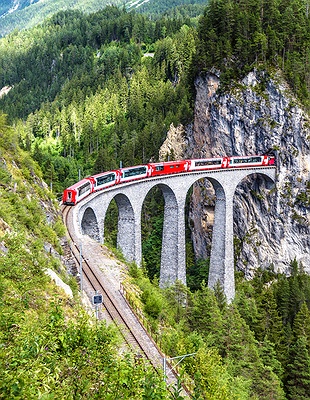
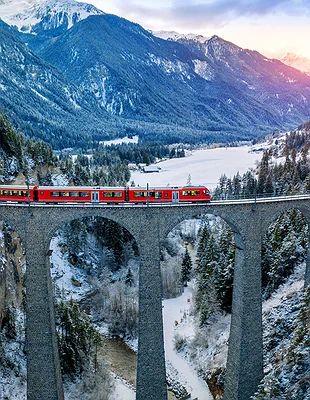
  • Reserve premium panoramic trains such as the Bernina Express, Glacier Express and Gotthard Panorama Express in advance, as seat reservations or supplements are required on these services.

  • Keep some Swiss francs available even though debit and credit cards are accepted in most places.

  • Drink from ordinary taps and recognised public drinking fountains where permitted, as Swiss tap water is generally of very high quality.

  • Check mountain railway and cable-car operating information before travelling, particularly outside peak seasons or during poor weather.

  • Check forecasts again on the morning of a mountain excursion because conditions at altitude can differ sharply from those in the valley.

  • Remember that many shops close on Sundays, so buy everyday essentials in advance unless staying close to a major station or airport.

  • Allow extra time when changing between language regions; German, French, Italian and Romansh are all national languages, while English is widely useful in tourism but should not be assumed everywhere.

  • Do not feel obliged to leave a fixed percentage tip. Rounding up or leaving a small additional amount for good service is customary but optional.

Facts About Switzerland

  • Switzerland’s official historical name is the Swiss Confederation, although it has been a federal state since 1848.

  • Switzerland consists of 26 cantons.

  • Bern serves as Switzerland’s federal city and de facto capital, although the country technically has no constitutionally designated capital city.

  • Switzerland has four national languages: German, French, Italian and Romansh.

  • Switzerland covers approximately 41,285 square kilometres and is divided geographically into the Alps, Central Plateau and Jura.

  • Switzerland’s permanent resident population exceeded 9.1 million at the end of 2025, according to provisional Federal Statistical Office figures.

  • The Dufourspitze, part of the Monte Rosa massif, is Switzerland’s highest summit at 4,634 metres.

  • Switzerland currently has 13 properties on UNESCO’s World Heritage List, covering both cultural and natural heritage.

  • The Swiss franc, abbreviated CHF, is Switzerland’s national currency rather than the euro.

  • The Rhine Falls near Schaffhausen is approximately 150 metres wide and 23 metres high and is recognised as Europe’s largest waterfall.

What to Pack

Switzerland’s weather can change considerably with altitude, region and season, so visitors benefit from packing flexible layers rather than assuming conditions in a city will match those higher in the mountains. Even during warmer months, Alpine weather can change quickly.

Travel Advice & Safety

Before travelling to Switzerland, visitors should check the latest FCDO advice and arrange comprehensive travel insurance that covers medical treatment as well as any skiing, hiking, climbing, paragliding or other mountain activities included in the itinerary. Mountain rescue and helicopter evacuation should be covered where relevant.

Emergency numbers

Police
117 · 112
Fire Department
118 · 112
Ambulance
144 · 112

Is it Safe to Travel to Switzerland?

Switzerland has a low rate of serious crime, making it generally straightforward for visitors using normal precautions. Petty theft does occur, however, particularly in larger cities, at airports, around railway stations and on some train routes.

Key Safety Considerations

  • Personal belongings: Reports of petty theft have increased in some larger cities, at Geneva Airport and on trains serving Geneva. Keep bags, passports, phones and wallets secure in transport hubs and crowded areas.

  • Mountain conditions: Alpine weather can change rapidly throughout the year. Check forecasts and route conditions, carry appropriate equipment and avoid unfamiliar or demanding mountain routes without suitable preparation.

  • Adventure activities: Skiing, climbing, mountaineering, mountain biking and paragliding carry inherent risks. Use established operators and ensure insurance includes mountain rescue, helicopter evacuation and the specific activity planned.

  • Avalanches: Avalanche risk can become significant after heavy snowfall, particularly away from controlled ski areas. Follow local warnings and never ignore closed slopes or marked danger zones.

  • Driving: Mountain roads can be narrow and winding, while rain, snowfall and ice can change conditions quickly. Winter tyres, snow chains and checking road conditions are particularly important during Alpine winter travel.

Local Laws & Culture

  • Illegal drugs: Switzerland has strict drug laws. Possessing, using or smuggling illegal drugs, including cannabis outside permitted legal contexts, can lead to severe penalties, imprisonment and substantial fines.

  • Face coverings: A nationwide law restricting the covering of the face in publicly accessible places came into force on 1 January 2025. Exceptions include health, safety, weather, places of worship, local customs and certain artistic activities.

  • Motorway vignette: Vehicles using Swiss motorways and certain expressways must have the required motorway vignette. Visitors driving into Switzerland should arrange the appropriate physical or electronic vignette before using roads where it is compulsory.

  • Sunday shopping: Many ordinary shops close on Sundays, although shops at major railway stations, airports and some petrol stations are common exceptions.

Speak to a Travel Expert

Our dedicated travel consultants will help create a holiday that feels completely your own.

From flights and handpicked hotels to private transfers and memorable experiences, we’ll take care of every detail.

CALL OUR EXPERTS

You Book a Holiday

We Plant a Tree

WhatsApp

Subscribe for Exclusive
Travel Deals & Offers

Be the first to know about luxury escapes, hidden gems, and limited-time discounts sent directly to your phone.

QR code to join our WhatsApp channel
Scan to join

Let the World Come to You!

Sign up for our curated selection of luxury travel inspiration and exclusive offers delivered directly to your inbox.