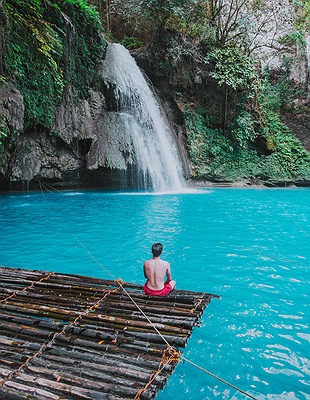
Canyoneering in Kawasan Falls
Leap off towering limestone cliffs and swim through turquoise river canyons in Badian, Cebu.


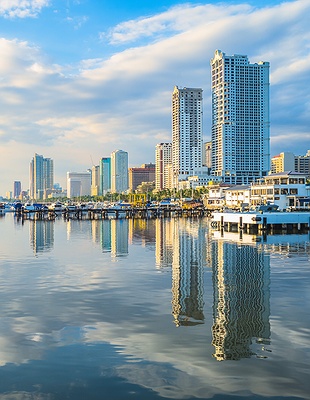
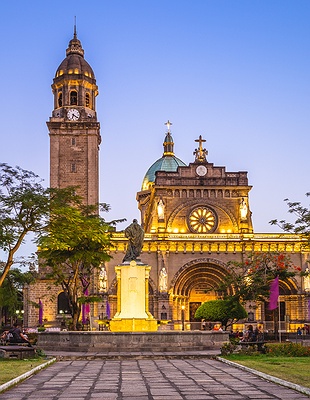
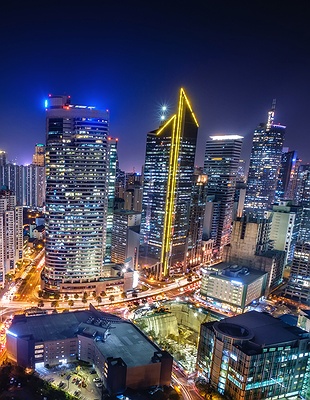
Philippines is an archipelago of more than 7,000 islands that make up one diverse country that embodies the spirit of South East Asia. With a unique set of cultures, cuisines, and attractions, Philippines is one of the most attractive destinations in the far east. The many islands that make up the country lend themselves to some amazing experiences, and Philippines is bound to be one country that you will visit more than once. The capital of Philippines, Manila and its metropolitan area, known as Metro Manila is a bustling area that offers many great attractions, including historic churches, parks, museums, theatres, shopping malls, and monuments.
Curated by our travel experts, updated weekly
Personalised Picks Expert CuratedTry adjusting your filters or explore all our destinations — your perfect getaway is just a click away.

10 Nights
32% Savings
Flights Upgrades
Transfers

8 Nights
30% Savings
Flight Upgrades
Transfers


25 Nights
30% Savings
Flights
Transfers

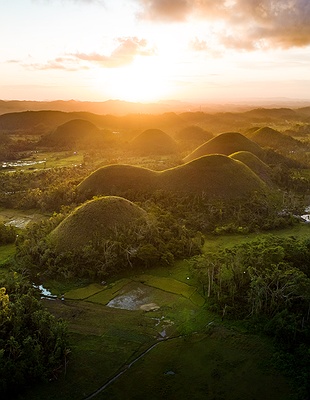
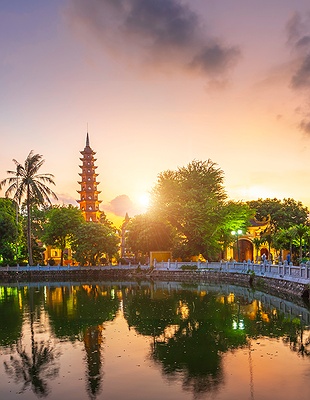
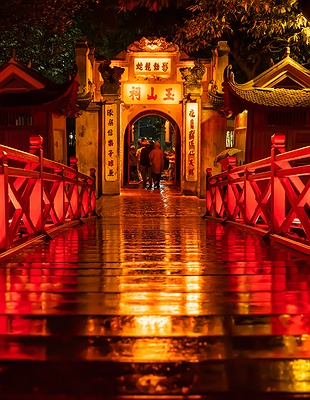
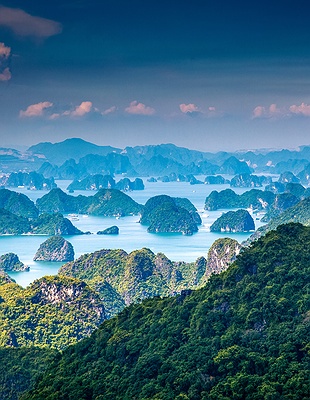
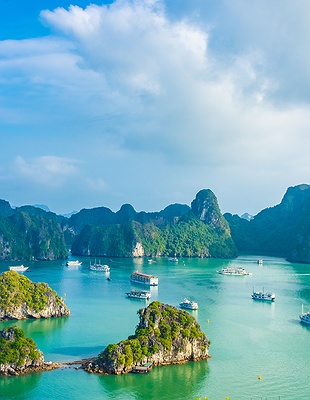
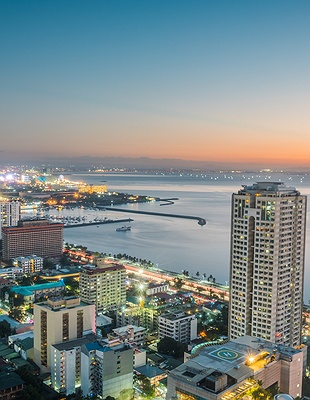
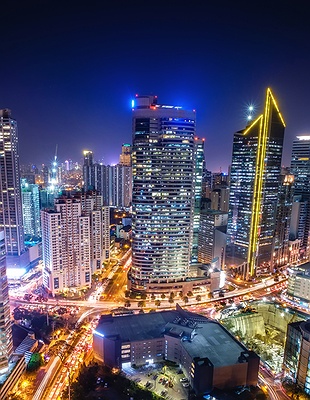
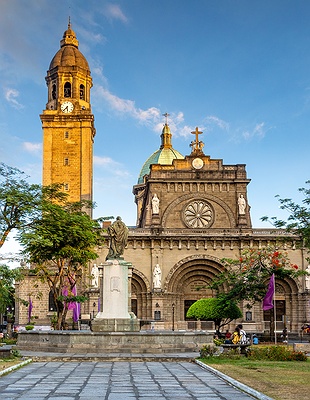
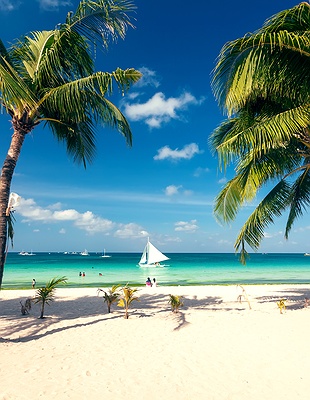
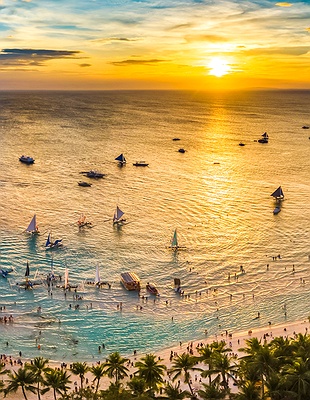
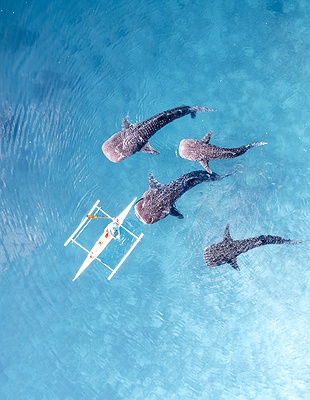
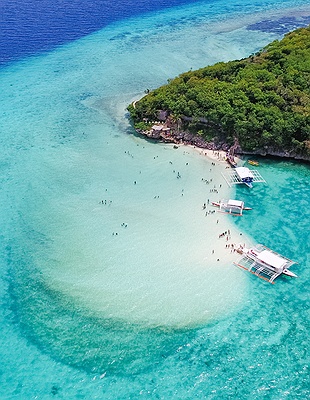
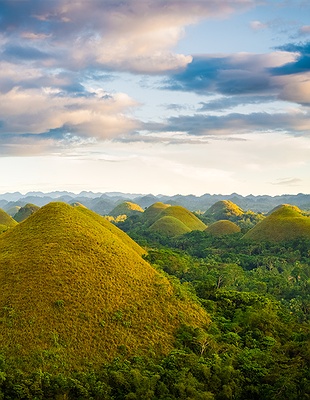
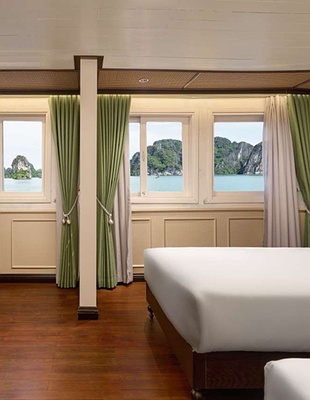
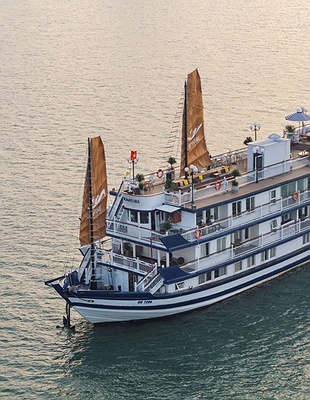
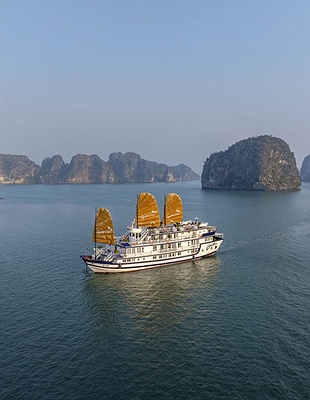
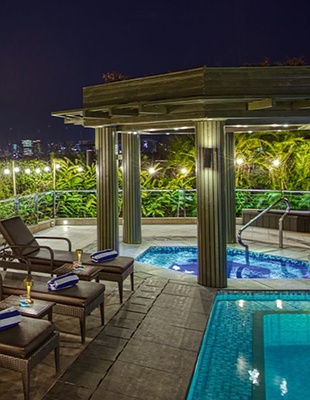
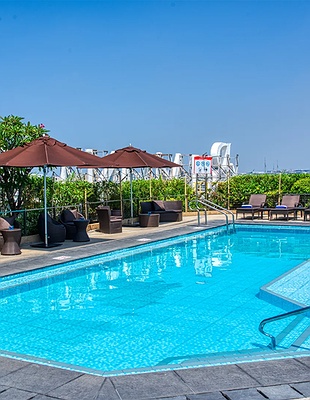
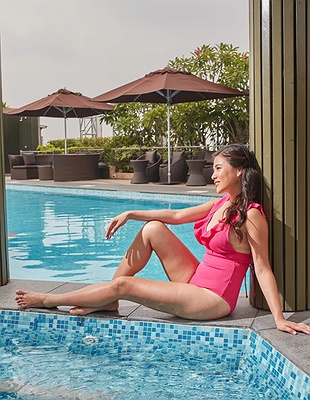
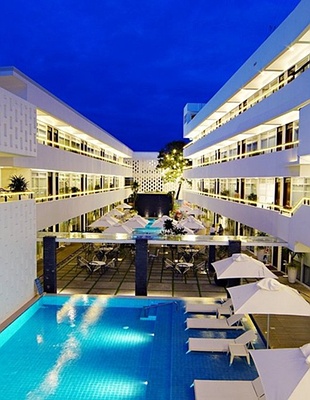
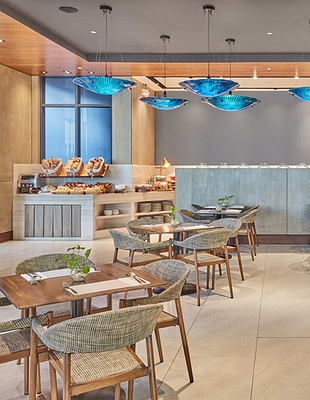
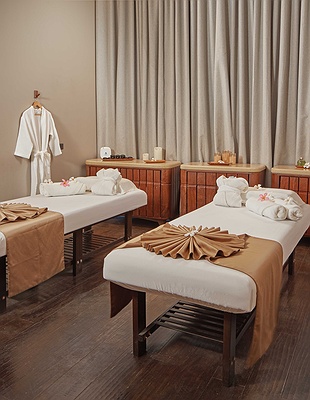
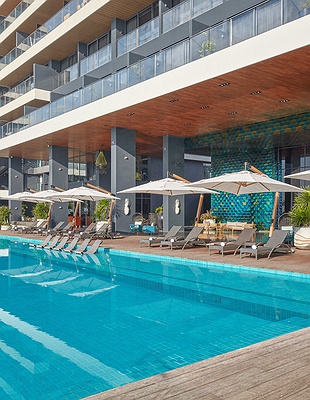
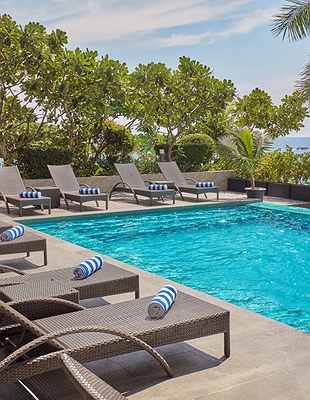
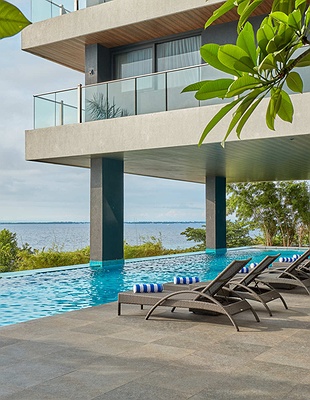
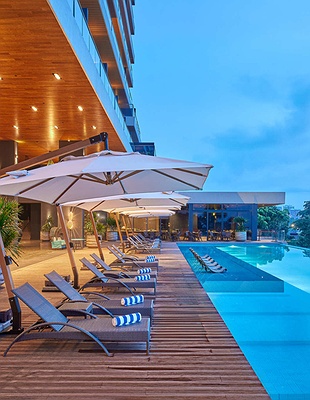
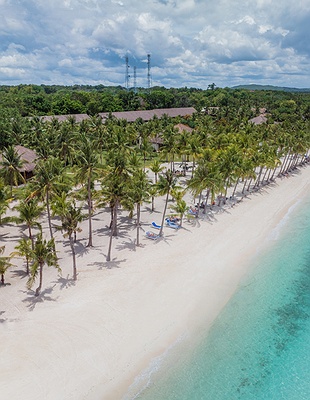
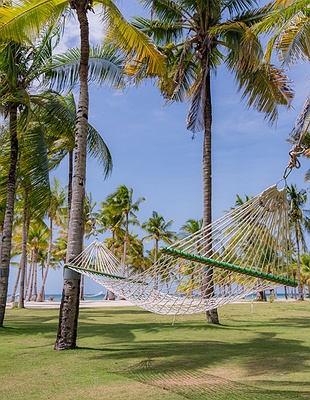
16 Nights Journey
Up to 23% Off Savings
Transfers Included
Upgrade Your Flight
Overnight Cruise

16 Nights
23% Savings
Flight upgrades
Airport transfers
Grandstand ticket
Island Hopping Tour
Peak season
The dry season offers cooler, comfortable temperatures and the clearest skies, perfect for beach trips and outdoor activities.
Off-season
Characterized by the southwest monsoon, bringing frequent rainfall and occasional typhoons, though offering lush landscapes and fewer crowds.
 30° / 22°
10-20 mm
7 Hours
31° / 22°
5-15 mm
8 Hours
32° / 23°
5-20 mm
9 Hours
 34° / 24°
15-30 mm
9 Hours
 34° / 25°
100-150 mm
7 Hours
 32° / 25°
200-280 mm
5 Hours
31° / 24°
250-350 mm
4 Hours
31° / 24°
300-420 mm
4 Hours
31° / 24°
250-350 mm
4 Hours
 31° / 24°
150-220 mm
6 Hours
31° / 23°
100-150 mm
6 Hours
30° / 23°
50-80 mm
6 Hours
Typically via indirect routing
PHP
GMT +8
Ninoy Aquino International


For stays under 30 days
Estimated population
UK travellers don’t need a visa for short visits to the Philippines. If you’re planning to stay longer than 30 days, you’ll need to apply for a visa extension or the appropriate long-stay visa. Before travelling, all passengers must complete the free eTravel registration within 72 hours before arrival. You may also be asked to show proof of onward or return travel, accommodation details and sufficient funds for your stay.
Your passport must be valid for at least six months beyond your date of arrival in the Philippines.
Planning a beach holiday, island-hopping adventure or business trip? British citizens can travel to the Philippines without a visa before departure
Want to spend more time exploring the Philippines? You can extend your stay after arriving in the country.
Planning to work, study, retire or relocate to the Philippines? You may apply for Long-stay before departure
Discover the incredible mix of outdoor thrills, rich historical landmarks, and world-class natural wonders scattered across the Philippine archipelago.
Test your limits with high-energy activities across the islands' unique geological formations.

Step back in time to explore colonial heritage, legendary landmarks, and indigenous landscapes preserved through generations.


Immerse yourself in spectacular biodiversity, geological anomalies, and world-heritage marine ecosystems.


Must-visit landmarks and stunning natural landscapes that should define your Philippine bucket list.


Savor the incredibly bold, sour, sweet, and savory elements of authentic Filipino cuisine across the country.


The Philippines is a unique Southeast Asian archipelago filled with fascinating stories, featuring thousands of tropical islands, ancient rice terraces, vibrant festivals, and extraordinary wildlife.
The Philippines has more than 7,600 islands, with around 2,000 inhabited.
Filipino and English are the country's official languages, making communication easy for most visitors.
It is one of the world's 17 megadiverse countries, rich in unique wildlife and plant species.
The Puerto Princesa Subterranean River is one of the world's longest navigable underground rivers.
The Rice Terraces of the Philippine Cordilleras have been carved into the mountains for over 2,000 years.
The Philippines celebrates thousands of fiestas each year, showcasing local culture and traditions.
The Philippine tarsier is one of the world's smallest primates and is native to the country.
The country lies on the Pacific Ring of Fire, home to many active volcanoes and hot springs.
Jeepneys are a colourful symbol of the Philippines and one of its most iconic forms of transport.
The Philippines is one of the world's largest producers of coconuts, which are widely used in local cuisine.
A few tips can make your trip around the Philippines much easier, from island-hopping between destinations to planning around the tropical weather.
Register for the free eTravel system within 72 hours before arrival and keep your QR code handy for check-in and immigration.
Travelling between islands? Allow extra time, as flights and ferries can be delayed by weather, especially during the rainy season.
The dry season (December to May) is generally the best time for beaches, diving and island-hopping.
Carry some cash when visiting smaller islands and rural areas, where card payments may not always be available.
Download Grab before arriving in Manila or Cebu for convenient, cashless taxi journeys.
Drink bottled or filtered water rather than tap water, particularly outside major cities.
Pack sunscreen, insect repellent and a reusable water bottle for the tropical climate.
Dress modestly when visiting churches and other religious sites to respect local customs.
Check the latest travel advice before visiting Mindanao, as some areas are subject to security restrictions.
Travel confidently around the Philippines by taking a few sensible precautions. Keep an eye on your belongings in busy places, stay informed about the weather and check local travel advice before exploring more remote regions.
The Philippines is generally safe to visit, especially in popular destinations such as Palawan, Boracay, Cebu and Bohol. In busy cities like Manila, keep an eye on your belongings, particularly in crowded transport hubs and markets. If you're travelling during the rainy season, keep an eye on weather forecasts, and always check the latest travel advice before visiting parts of Mindanao.
Belongings: Keep your phone, passport and valuables secure in crowded transport hubs, markets and popular tourist areas.
Petty Crime: Avoid carrying large amounts of cash or displaying expensive jewellery, particularly after dark.
Regional Travel: Check the latest travel advice before visiting parts of Mindanao, where some areas remain subject to security warnings.
Swimming: Always follow local warning flags and lifeguard advice, as strong currents can occur even on popular beaches.
Natural Hazards: The Philippines is prone to typhoons, earthquakes and volcanic activity. Follow local authorities' guidance during severe weather or emergencies.
Road Safety: Traffic can be busy and unpredictable, particularly in larger cities. Allow extra travel time and stay alert when crossing roads.
Adventure Activities: Follow safety briefings and wear the recommended protective equipment for activities such as diving, canyoning and zip-lining.
Wildlife: Avoid touching marine life or coral reefs, as some species can cause injury and protected areas have strict conservation rules.
Language: Filipino and English are the country's official languages, and English is widely spoken throughout the Philippines.
Churches: Dress modestly when visiting churches and religious sites by covering your shoulders and knees where appropriate.
Drugs: The Philippines has strict drug laws, and offences involving illegal drugs carry severe penalties, including lengthy prison sentences.
Smoking & Vaping: Smoking and vaping are prohibited in many indoor public places and some outdoor areas. Always follow local regulations and designated smoking areas.
Photography: Ask permission before photographing local people, particularly in Indigenous communities or during cultural and religious events.
Respect: Show courtesy to local customs and traditions, especially during religious celebrations and community festivals.
Tipping: A service charge is often included in restaurant bills. If it isn't, leaving a small tip for good service is appreciated.
Our dedicated travel consultants will help create a holiday that feels completely your own.
From flights and handpicked hotels to private transfers and memorable experiences, we’ll take care of every detail.