Trincomalee Holidays

2026, 2027 & 2028

SPEAK NOW
Trincomalee Holiday Deals

Overview

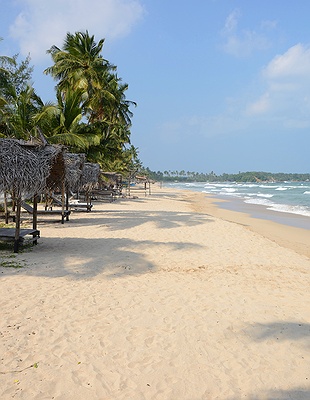
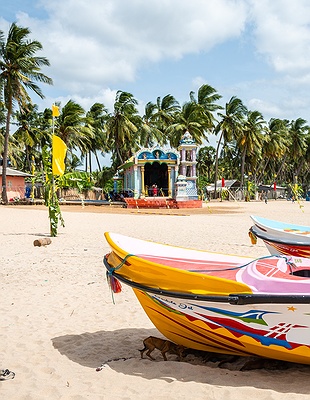
Sun-soaked shores and relaxed coastal charm await Trincomalee Holidays, offering the perfect escape on Sri Lanka’s stunning east coast. This enchanting port city is known for its crystal-clear waters, peaceful atmosphere, and unspoilt coastline, making it ideal for travellers seeking both relaxation and adventure. Beyond Trincomalee, white-sand beaches stretch for miles, with Nilaveli and Uppuveli among the most beautiful in the region. These idyllic spots are perfect for lazy days by the beach, where you can unwind in comfort while staying in a well-appointed hotel. The calm, warm waters also make this area perfect for snorkelling, scuba diving, and even surfing, offering something for every type of traveller.

Read More
YOUR CURATED SELECTION

We've handpicked the best 1 Trincomalee Holidays for you

Curated by our travel experts, updated weekly

Personalised Picks Expert Curated

Our Top Trincomalee Holiday Deals

Save up to £713
2026, 2027 & 2028 Bookings on sale now
What's Included in Your Package

31% Savings

Flight Upgrades

Beach & Heritage

Sigiriya Visit

Scenic Train

Temple Tour

Price on Request
From
£3,012
2,299 / Per person

Essential Information

When to Visit

Peak season

May - September

The dry season on Sri Lanka's east coast brings sunny days, calm blue waters, and ideal conditions for beach relaxation, diving, and whale watching.

Off-season

November - March

The northeast monsoon brings heavier rainfall, stronger winds, and rougher ocean conditions, making it a much quieter period for visitors.

HI / Lo°C Rainfall Sunshine
Jan Jan weather icon 28° / 24° 90-110 mm 6 Hours
Feb Feb weather icon 29° / 24° 40-60 mm 7 Hours
Mar Mar weather icon 31° / 25° 30-50 mm 8 Hours
Apr Apr weather icon 33° / 26° 40-60 mm 8 Hours
May May weather icon 34° / 26° 50-70 mm 8 Hours
Jun Jun weather icon 34° / 26° 30-50 mm 8 Hours
Jul Jul weather icon 34° / 26° 40-60 mm 8 Hours
Aug Aug weather icon 34° / 26° 50-70 mm 7 Hours
Sep Sep weather icon 33° / 25° 70-90 mm 7 Hours
Oct Oct weather icon 31° / 25° 170-200 mm 6 Hours
Nov Nov weather icon 29° / 24° 280-320 mm 5 Hours
Dec Dec weather icon 28° / 24° 310-350 mm 4 Hours

Trincomalee Map

Expand

Flight Time from London

To Colombo (CMB) plus road transfer

11h 15m

Currency

LKR

Sri Lankan Rupee

Time

GMT +5.5

Asia/Colombo

Airport

Bandaranaike International

CMB

Languages

Visa

Electronic Travel Authorization

ETA Required

Population

Trincomalee city

100,000

Famous For

Visa Information

British citizens travelling to Trincomalee need an Electronic Travel Authorization (ETA) before arriving in Sri Lanka. UK nationals are currently eligible for a free 30-day tourist ETA.

Passport Validity

Your passport should be valid for at least 6 months from the date of arrival in Sri Lanka.

Things to Do

Trincomalee is especially strong for marine experiences, combining reef snorkelling, diving, whale watching and long beach days with a handful of historic coastal sights.

Adventure

Trincomalee’s coastline is made for marine adventures, with snorkelling, diving, whale watching and boat trips giving visitors plenty of ways to experience the east coast.

History

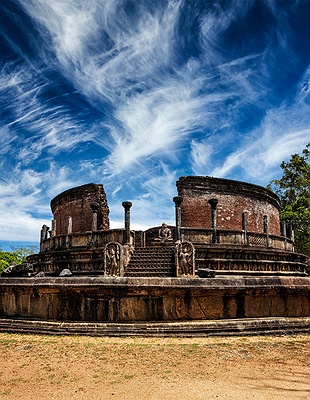
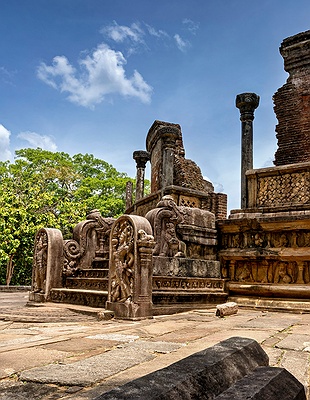
Trincomalee’s history is shaped by ancient religious sites, colonial forts and its strategically important natural harbour. For visitors, this makes the city unusually varied, with temples, military architecture and maritime heritage all within relatively easy reach of the coast.

Culture

Trincomalee’s culture reflects strong Tamil and Hindu traditions alongside Buddhist, Muslim and Christian influences, creating a distinctive east-coast identity shaped by religion, community life and the city’s long maritime history.

Events

Trincomalee’s main recurring events are closely connected with Koneswaram Temple, where major Hindu festivals bring processions, prayers and devotional ceremonies to the city throughout the year.

Entertainment

Trincomalee’s entertainment scene is fairly low-key, with cinema, beach bars and relaxed evening venues taking the place of large clubs or a major nightlife district. Uppuveli has the liveliest evening atmosphere, while Nilaveli is generally quieter.

Top Attractions in Trincomalee

Trincomalee’s main attractions combine beaches, marine life, religious landmarks and natural scenery, giving visitors an easy mix of sightseeing and coastal experiences without losing the character of the town.

What to Eat

Trincomalee’s coastal setting and Tamil influence make seafood, rice dishes, curries and South Indian-style favourites especially prominent, alongside the wider staples found across Sri Lankan cuisine.

Crab Curry

Fresh crab cooked in a rich, spiced curry, often served with rice, roti or string hoppers.

Fish Curry

Locally caught fish prepared with coconut milk, chilli, spices and tamarind, creating a balance of heat and tanginess.

Prawn Curry

Prawns cooked in a fragrant coconut-based curry, commonly served with rice and vegetable side dishes.

Dosai

Thin fermented pancakes made from rice and lentils, usually served with sambhar and coconut chutney.

Idli

Soft steamed rice-and-lentil cakes often eaten for breakfast with sambhar, chutney or vegetable curry.

String Hoppers

Fine steamed rice noodles served with curry, coconut sambol and dhal, popular at breakfast or dinner.

Pittu

Steamed rice flour and coconut layered into cylinders and commonly eaten with curry or coconut milk.

Kottu Roti

Chopped flatbread stir-fried with vegetables, egg, meat or seafood and plenty of seasoning.

Pol Sambol

Fresh grated coconut mixed with chilli, onion and lime, usually served as a side with rice, hoppers or bread.

Watalappan

A rich coconut custard flavoured with jaggery and spices, making it one of Sri Lanka’s best-known traditional desserts.

Facts about Trincomalee

  • Trincomalee is home to one of the world’s best-known natural deep-water harbours, which has shaped the city’s military and maritime importance for centuries.

  • The city lies on Sri Lanka’s north-east coast, around 257 kilometres from Colombo.

  • Trincomalee was historically known as Gokanna or Gokarna, names recorded in chronicles and inscriptions connected with the region.

  • Fort Frederick was originally built by the Portuguese in the 17th century and later passed through Dutch, French and British control.

  • Koneswaram Temple stands on a rocky promontory above the Indian Ocean and is one of Sri Lanka’s important Hindu pilgrimage sites.

  • Trincomalee is closely associated with Nilaveli and Uppuveli, two of the best-known beaches on Sri Lanka’s east coast.

  • Pigeon Island lies offshore from the Nilaveli area and is known for its protected coral reef and snorkelling opportunities.

  • The waters off Trincomalee have become an important whale-watching area, alongside diving, snorkelling and other marine activities.

  • The Kanniya Hot Springs, around 8 kilometres from Trincomalee, consist of seven wells known for having noticeably different water temperatures.

  • Trincomalee’s strategic harbour was attacked by the Imperial Japanese Navy in 1942 during the Second World War, when British naval vessels were stationed there.

Tips for Visiting Trincomalee

  • Stay around Uppuveli for easier access to restaurants and town, or choose Nilaveli for a quieter beach-focused stay.

  • Allow extra time for journeys, as Trincomalee’s main sights are spread between the town, Uppuveli, Nilaveli and nearby coastal areas.

  • Carry some Sri Lankan rupees for tuk-tuks, small restaurants, local shops and boat operators where card payments may be limited.

  • Book Pigeon Island trips through established operators, particularly during busier months when boat departures can fill quickly.

  • Plan snorkelling, diving and whale-watching trips for the morning when sea conditions are often calmer, while still following local operator advice.

  • Avoid touching or standing on coral when snorkelling around Pigeon Island, as the reef is part of a protected marine environment.

  • Carry strong sun protection for beach days and boat trips, where shade can be limited for long periods.

  • Visit Koneswaram Temple and Fort Frederick earlier in the day when temperatures are usually more comfortable for walking.

  • Combine central Trincomalee with Nilaveli, Uppuveli and Pigeon Island to get a better balance of beaches, marine life and sightseeing.

  • Check Pigeon Island access and sea conditions before setting out, as boat operations can change with weather and marine conditions.

What to Pack

Trincomalee’s hot, humid climate and beach-focused setting call for lightweight clothing, strong sun protection and practical extras for swimming, boat trips and religious-site visits.

Travel Advice & Safety

Trincomalee is a well-established east-coast destination, but visitors should still be aware of road safety, theft, sea conditions and regional risks. Current FCDO advice should always be checked before travelling, especially when exploring outside established tourist areas.

Emergency numbers

Police
119
Fire Department
110
Ambulance
1990

Is it Safe to Travel to Trincomalee?

Trincomalee is generally straightforward to visit when normal precautions are followed. The FCDO states that terrorist attacks in Sri Lanka cannot be ruled out, including at beaches, tourist sites, places of worship and large public gatherings.

Key Safety Considerations

  • Regional landmine risk: De-mining continues in parts of eastern Sri Lanka. Stay on recognised roads and cleared paths, obey warning signs and follow instructions from local security forces.

  • Personal belongings: Keep passports, phones and valuables secure, particularly in crowded areas, transport hubs and beaches, as opportunistic theft can occur.

  • Road safety: Driving standards can vary, so take extra care when crossing roads, using tuk-tuks or travelling after dark.

  • Tuk-tuks and taxis: Agree the fare before travelling or use a vehicle with a working meter. Taxi apps may have more limited availability outside major tourist areas.

  • Sea conditions: Follow local warnings before swimming, snorkelling or taking boat trips, particularly when currents, wind or rough seas affect the coast.

  • Demonstrations: Avoid political protests, demonstrations and large gatherings, as situations can change quickly.

  • Trains: Stay fully inside the carriage while the train is moving and keep belongings secure. Fatal accidents have occurred when travellers hang from doors or windows.

  • Bank-card fraud: Card fraud is common in Sri Lanka. Use ATMs inside banks or hotels where possible and keep your card in sight when paying.

  • Health: Dengue and Chikungunya are health risks in Sri Lanka, so insect-bite protection is important.

Local Laws & Culture

  • Religious sites: Dress modestly, covering shoulders and knees, and remove footwear or hats where required before entering temples or shrines.

  • Buddhist images: Treat statues and images of Buddha respectfully and avoid posing with your back directly towards them for photographs.

  • Hindu temples: Follow local instructions inside kovils, particularly around photography, footwear and access to inner shrine areas.

  • Drugs: Possession, use and trafficking of illegal drugs can result in severe penalties.

  • Photography: Obey signs and local guidance around religious buildings, military areas and sensitive locations.

  • Public behaviour: Avoid disrupting religious ceremonies, festivals or processions, and behave respectfully around places of worship.

  • Restricted areas: Some coastal and former military areas may still have access restrictions, so follow signs and instructions from local authorities.

Speak to a Travel Expert

Our dedicated travel consultants will help create a holiday that feels completely your own.

From flights and handpicked hotels to private transfers and memorable experiences, we’ll take care of every detail.

CALL OUR EXPERTS

You Book a Holiday

We Plant a Tree

WhatsApp

Subscribe for Exclusive
Travel Deals & Offers

Be the first to know about luxury escapes, hidden gems, and limited-time discounts sent directly to your phone.

QR code to join our WhatsApp channel
Scan to join

Let the World Come to You!

Sign up for our curated selection of luxury travel inspiration and exclusive offers delivered directly to your inbox.