Is it Safe to Travel to Bhutan
Bhutan is one of the safest countries to visit, and most travellers experience very few problems during their trip. Petty theft is rare, although it can occasionally happen in busier places such as Thimphu, Paro or during popular festivals. As you would anywhere, keep your valuables secure, avoid carrying large amounts of cash and take sensible precautions in crowded areas.
Key Safety Considerations
Mandatory Guided Travel: You can book your visa and hotel independently via bhutan.travel, but a licensed guide is mandatory for sightseeing, trekking, and leaving Thimphu or Paro.
Road Conditions: Roads are often narrow, winding and prone to landslides, so allow extra time when travelling between destinations, especially during the Monsoon season.
Altitude: Bhutan's altitude can affect some visitors, so take time to acclimatise, particularly if travelling to higher regions.
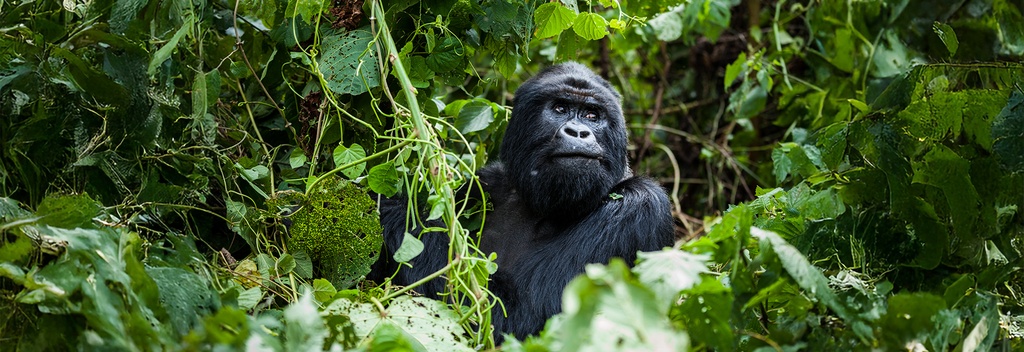
Wildlife: Bhutan’s strict conservation laws mean its forests are teeming with wildlife. When exploring the national parks or rural areas, keep a distance from any animals you encounter.
Local Laws & Culture
Dress Code: Dressing respectfully, meaning covering your shoulders and knees is mandatory while you are visiting temples and Dzongs.
Alcohol Laws: Alcohol is permitted in Bhutan, but there's a certain limit to how much alcohol you can buy at one time.
Smoking and e-cigarette bans: Ban on tobacco was removed in 2021 in Bhutan. You need to be careful about where you do it. For instance, smoking near religious sites may cause offense
Illegal drugs and prison sentences: There are strict penalties on usage and trafficking of illegal drugs, and you could get a prison sentence and a heavy fine.
LGBT+ travellers: Bhutan decriminalised same-sex activity in 2021 and has no censorship on LGBT+ topics. However, same-sex marriages and transgender identities lack legal recognition.
Monastery Etiquette: Walk clockwise around stupas and temples, prayer wheels and other sacred monuments as a sign of respect.





 10° / -2°
 13° / 0°
 19° / 6°
 25° / 13°


.jpg)


.jpg)


.jpg)