Is summer too hot for a Middle East holiday?
It can be extremely hot, particularly across the Gulf between June and September. City breaks are still possible, but outdoor activities often need to be planned around cooler morning or evening hours.
What should I wear when visiting the Middle East?
Lightweight clothing works well in warm weather, but modest dress is advisable in religious sites and more conservative areas. Requirements vary by country and attraction.
Can I visit during Ramadan?
Yes. Travel continues during Ramadan, but restaurant hours, attraction timings and public behaviour may differ. Visitors should check local guidance and respect fasting customs.
Can I combine several Middle Eastern countries in one trip?
Yes, multi-country itineraries are possible, particularly between destinations connected by direct flights. Entry requirements, border arrangements and current FCDO advice should be checked separately for every country before travel.
Do I need a car to explore the Middle East?
Not always. Major cities often have taxis, metros or organised transfers, while a car or guided driver can be more useful for desert, mountain and remote archaeological areas.
Is the Middle East only about desert holidays?
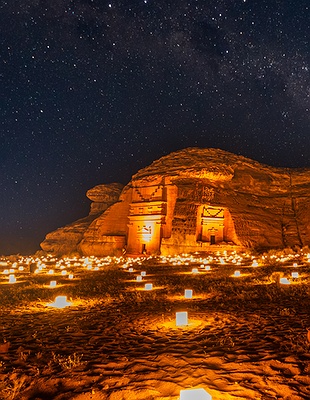
No. The region also includes mountains, wadis, coral reefs, mangroves, historic cities, beaches and coastal landscapes, giving travellers far more variety than desert experiences alone.
Can I swim and snorkel in the Middle East?
Yes. The Red Sea, Arabian Gulf and Gulf of Oman offer swimming, snorkelling and diving, with conditions varying by destination and season.
Are desert trips suitable for first-time visitors?
Yes, when booked with experienced operators. Guided 4x4 trips, desert camps and organised excursions make remote landscapes much easier to explore safely.
Should I book major attractions in advance?
Yes, particularly for popular observation decks, guided archaeological sites, mosque tours and limited-capacity experiences during the cooler peak season.
























 21° / 10°