Bang Kachao Cycling
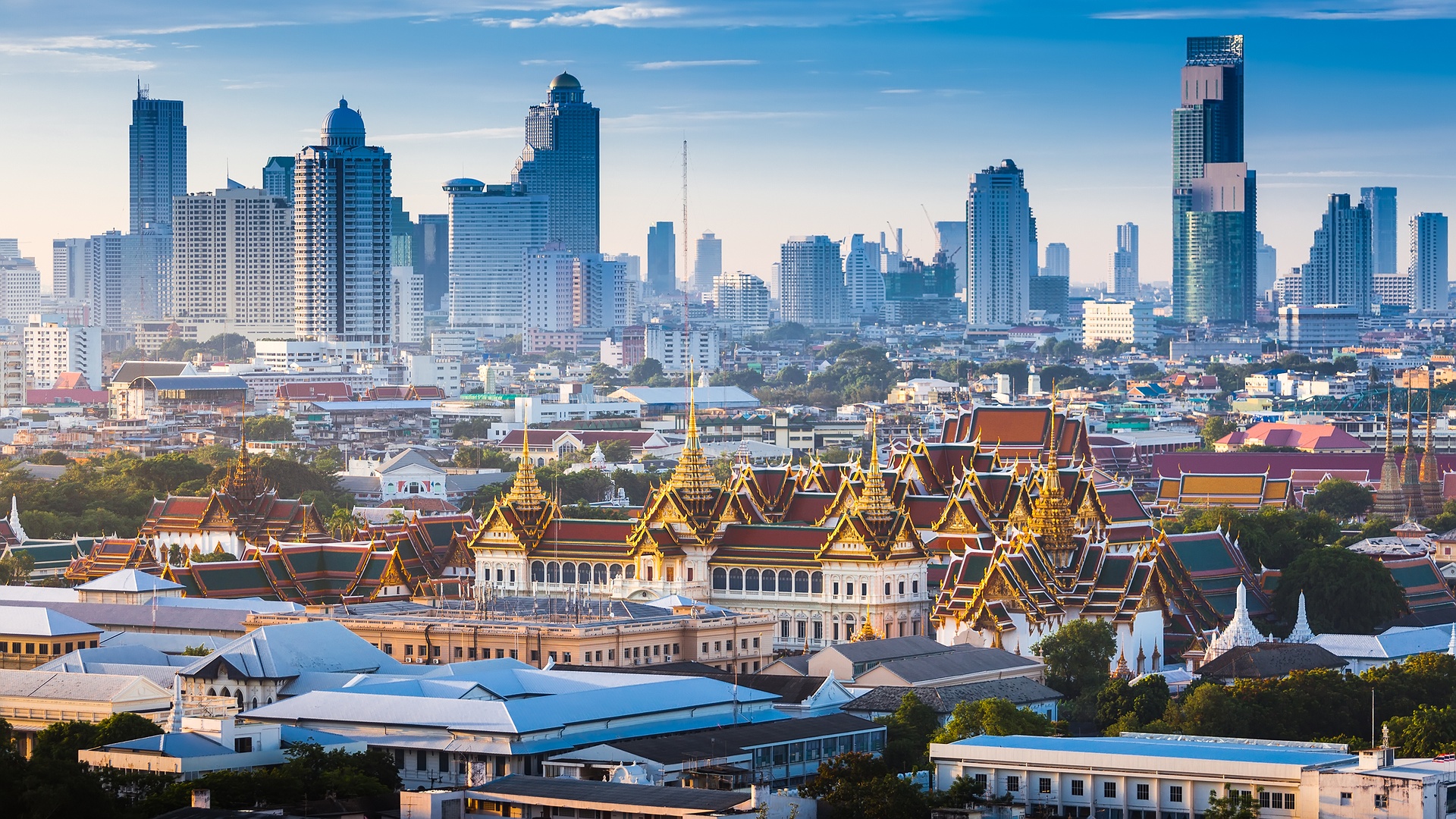
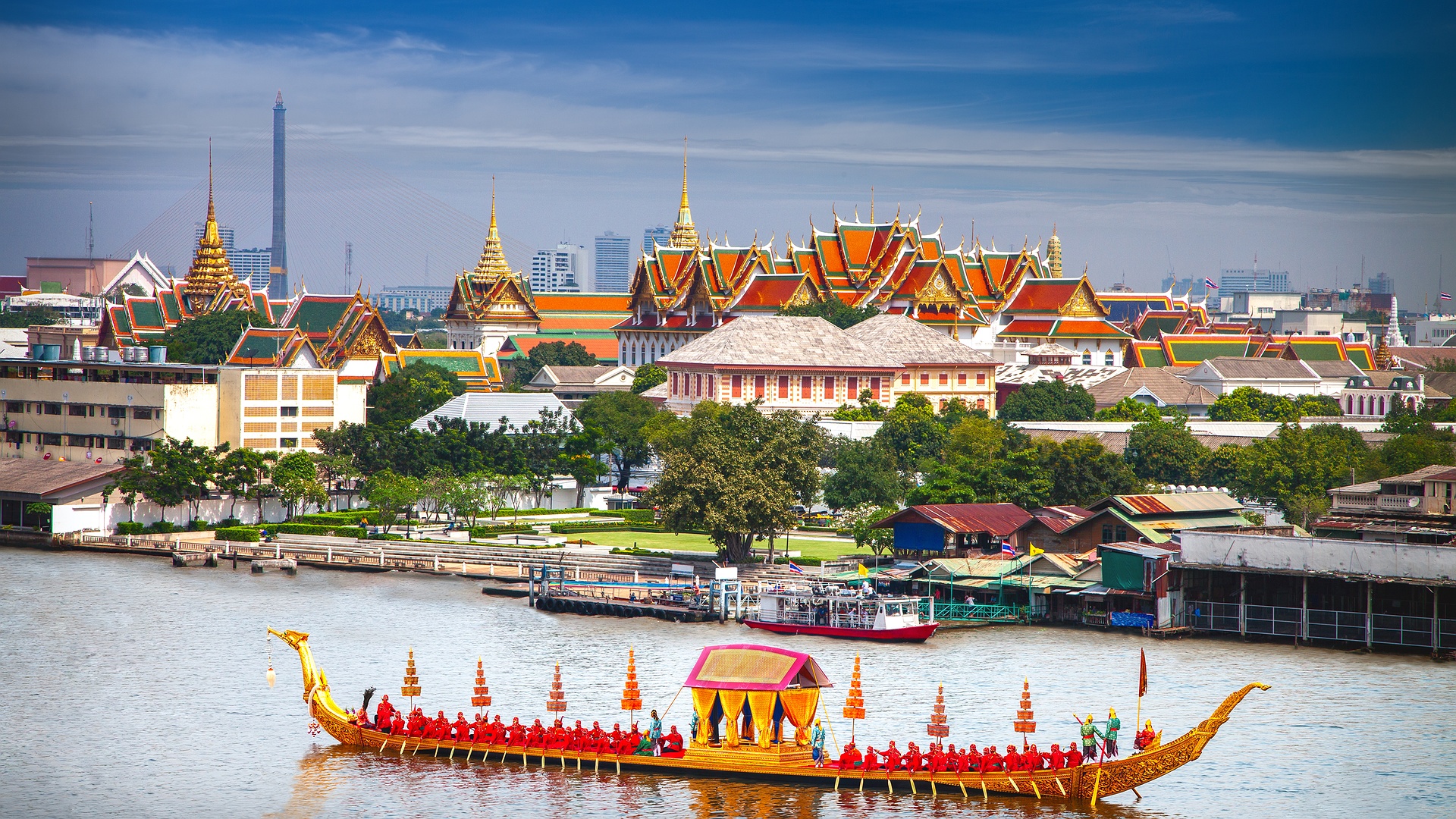
Marvel at the spectacular official residence of the Kings of Siam, featuring exquisite architecture and the sacred Emerald Buddha.
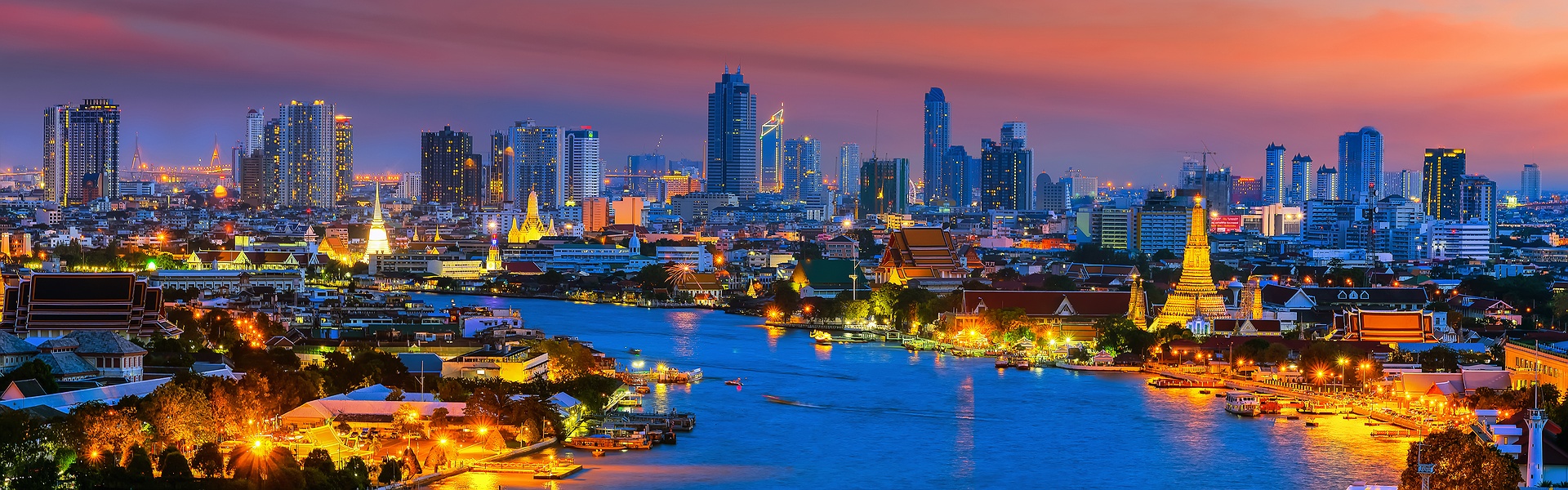


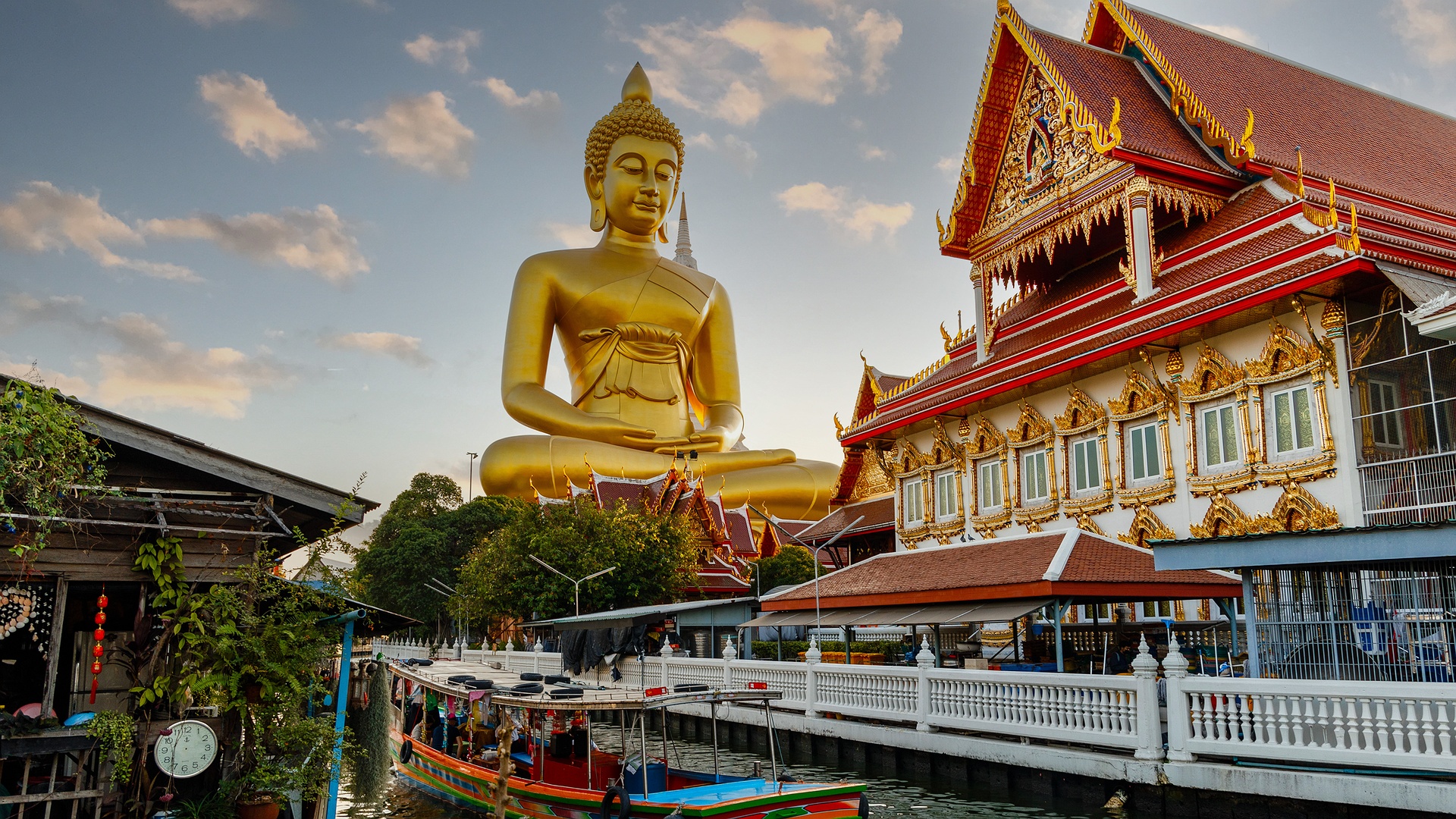
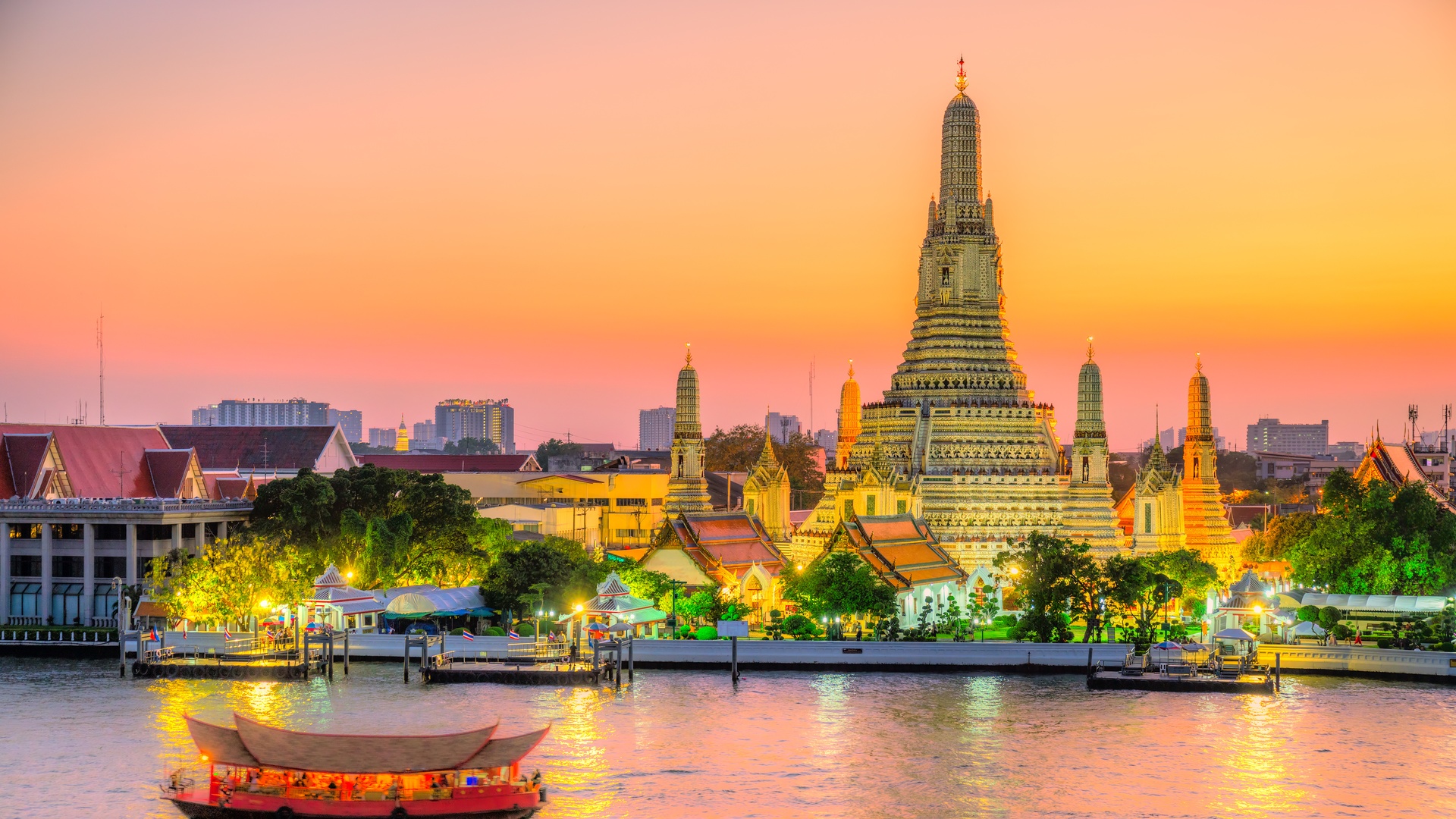
Bangkok is the vibrant capital of Thailand and a vibrant city as well. Here you can enjoy a blend of tradition, culture, and modern luxury, all of which together are going to give you an unforgettable experience. From the moment you arrive in the city, you can visit the golden temples, bustling floating markets, and the mouth-watering aromas of sizzling street food. On your holiday trip here, you can discover the majestic Grand Palace and the iconic Emerald Buddha. If you are looking for some pictures for your social media, you can take a serene long-tail boat ride along the Chao Phraya River.
Curated by our travel experts, updated weekly
Personalised Picks Expert CuratedTry adjusting your filters or explore all our destinations — your perfect getaway is just a click away.
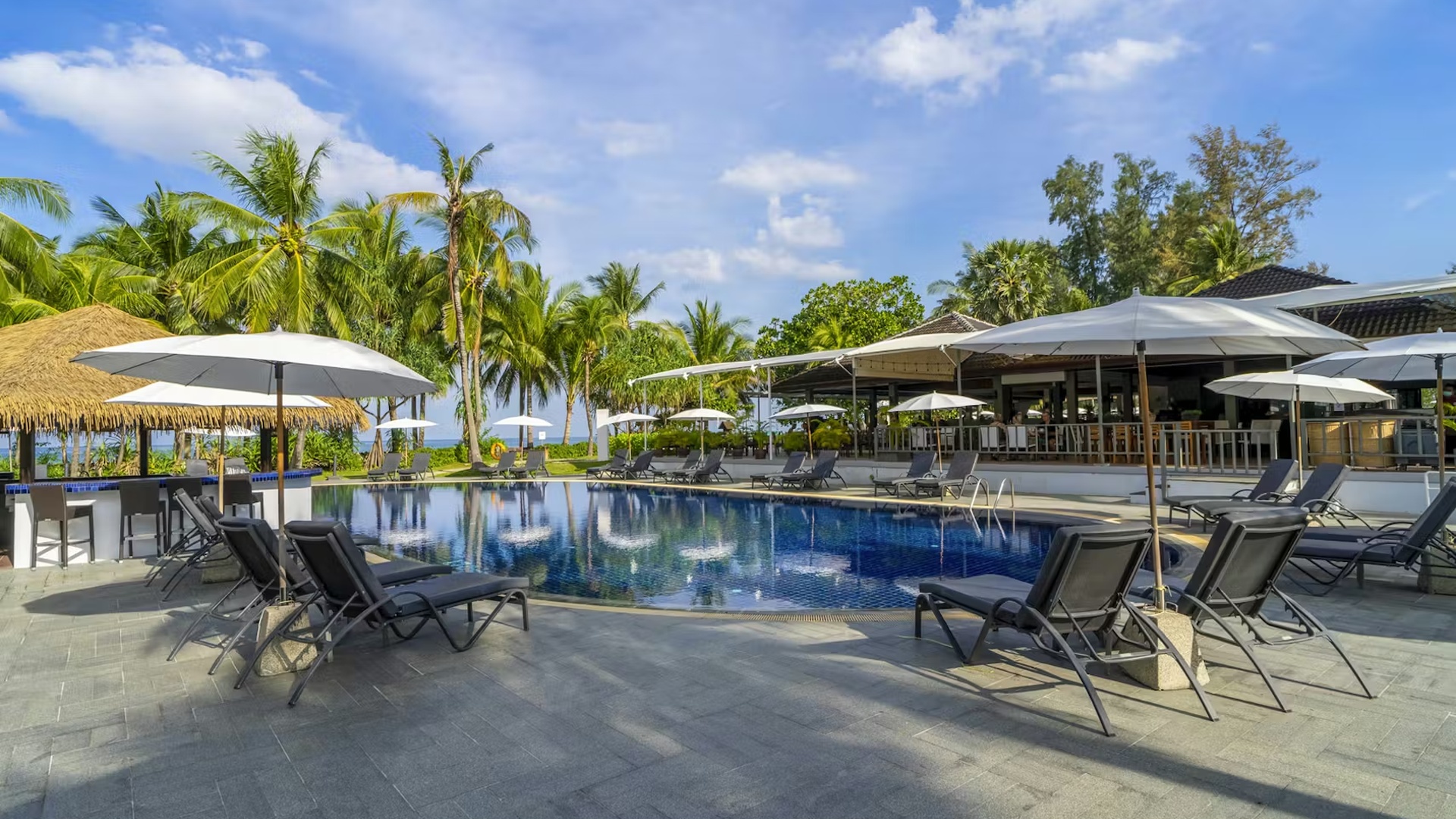
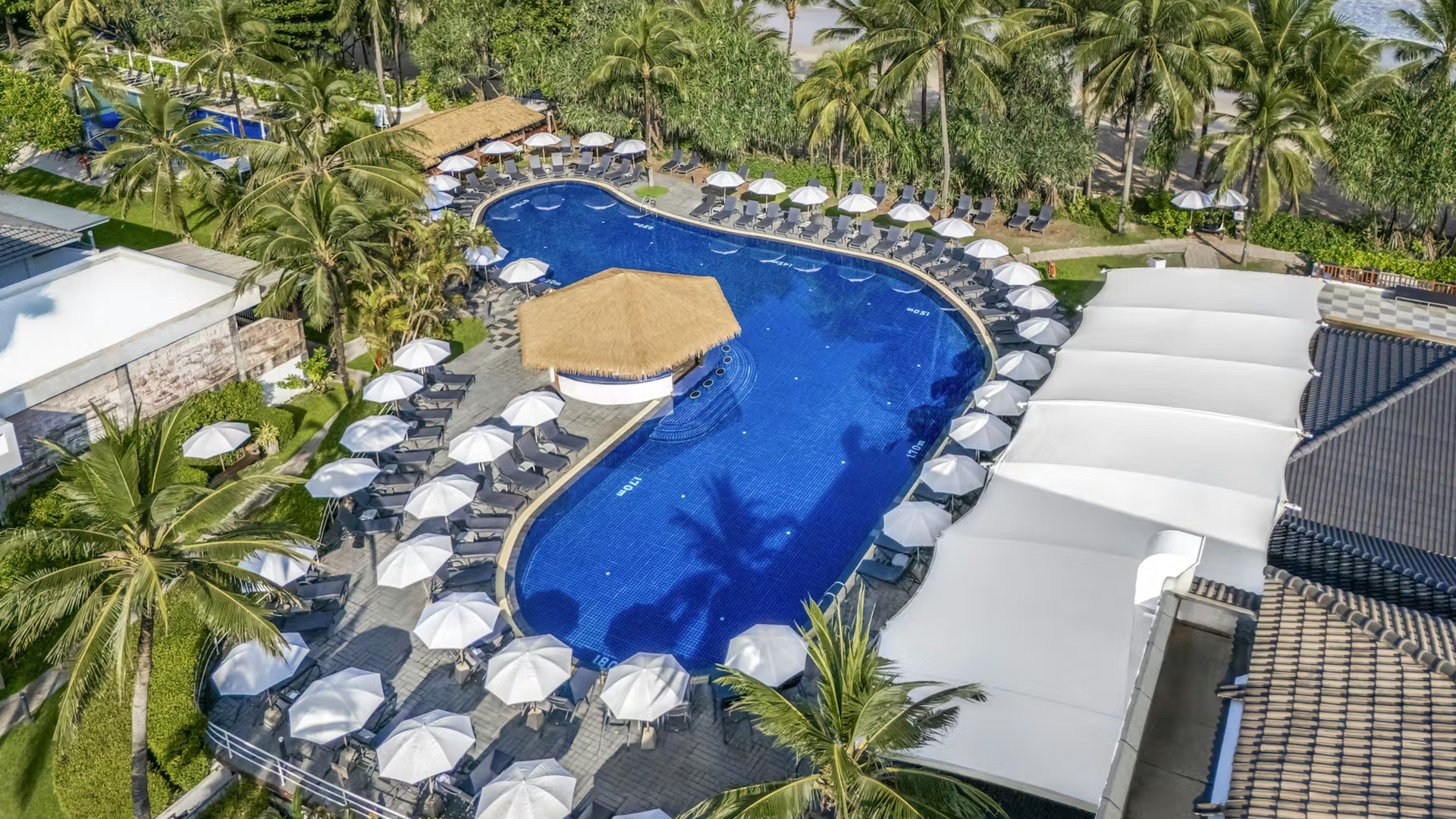
36% Savings
Flight upgrades available
24 Nights stay
Complimentary room upgrade
All transfers included


Book Now Save More
Private Transfers
Beachfront Hotel
Daily Breakfast
10 Nights or More
Free Room Upgrade


12 Nights
30% Savings
Flights
Transfers
Accommodation


31% Savings
Flight Upgrades
Transfers Included
Beachfront Stay
Elephant Tour
Breakfast Daily


14 Nights Journey
27% Savings
Flight Upgrades
Throughout Transfers
Handpicked Hotels


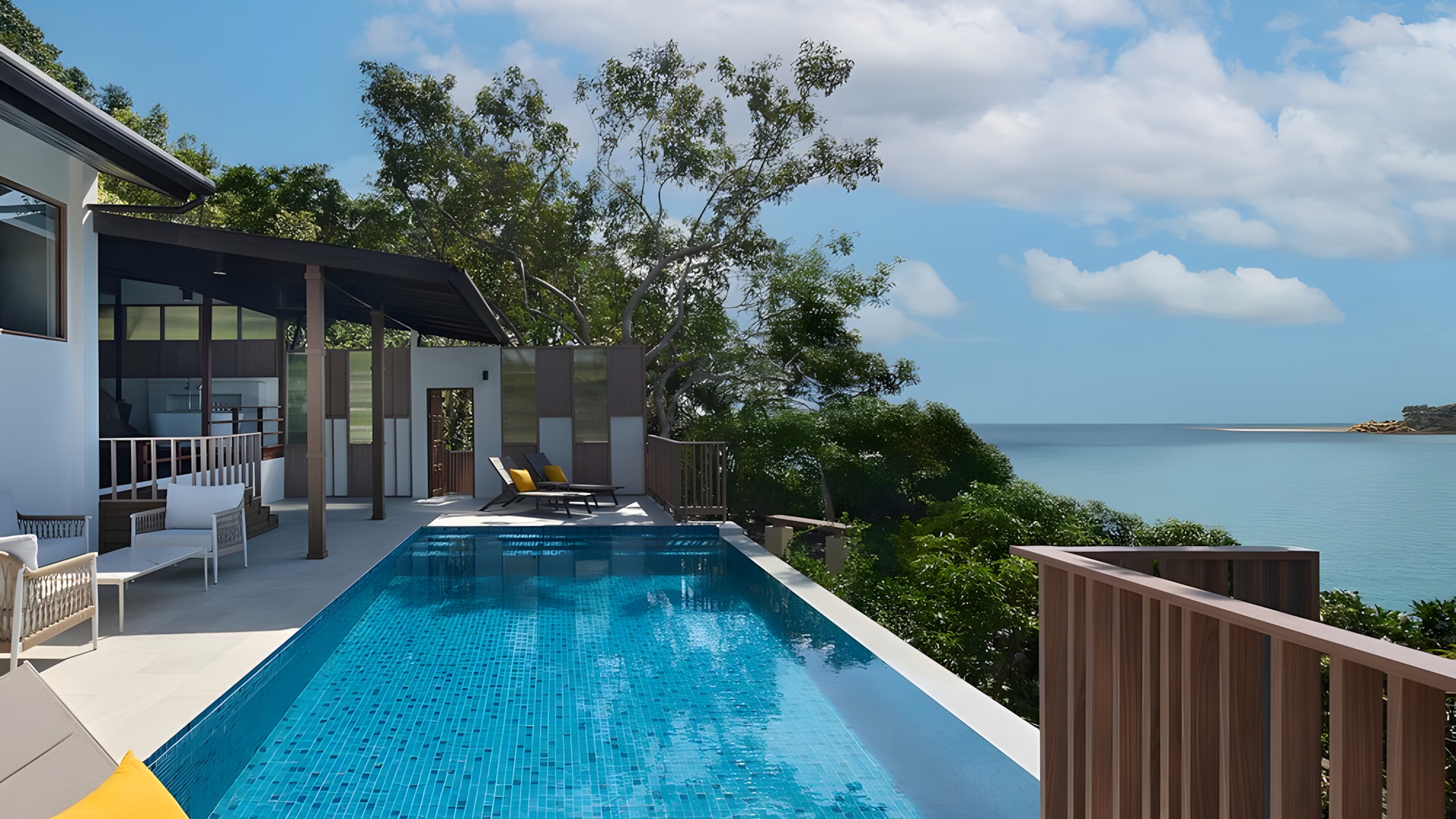
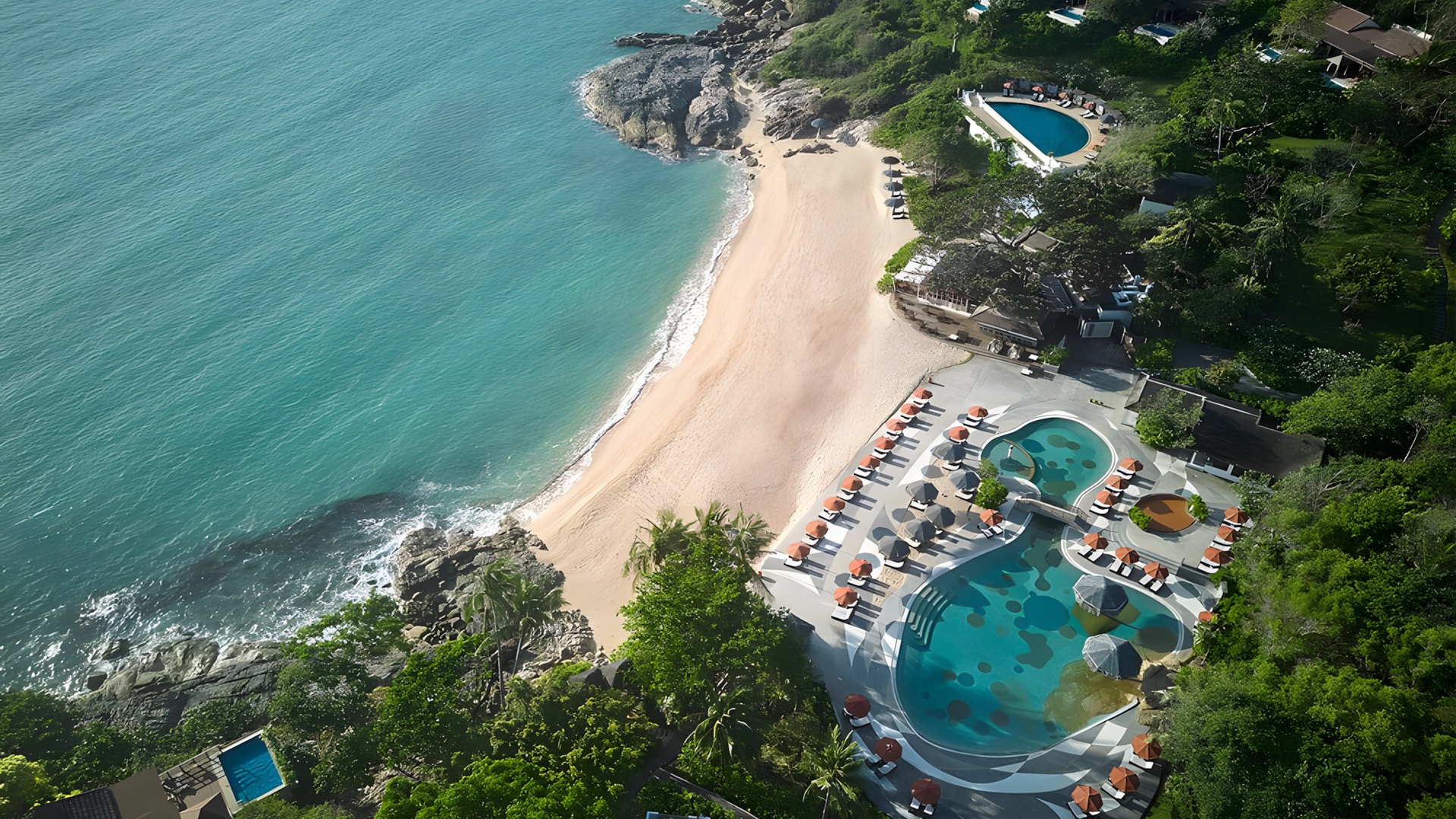
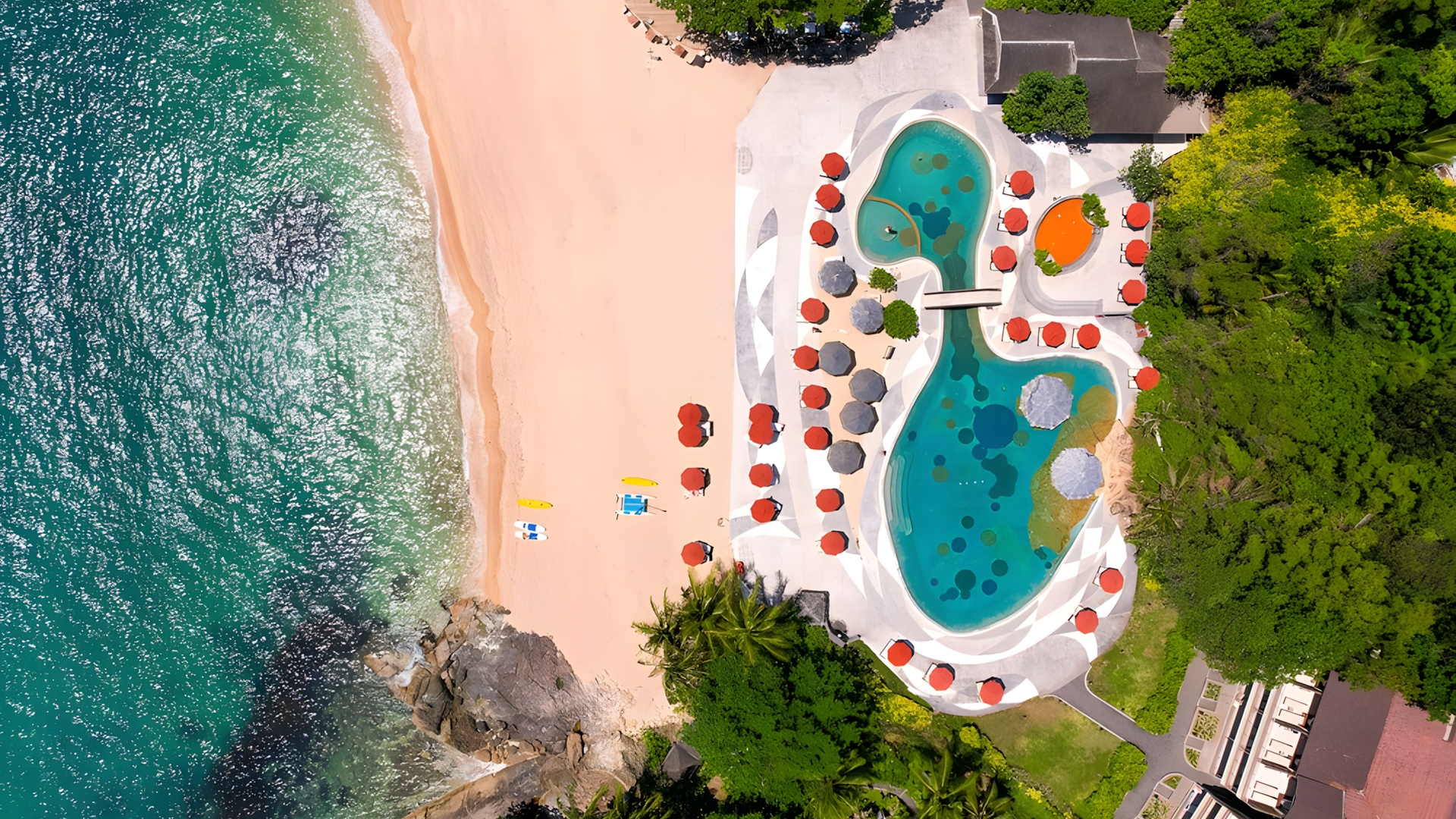
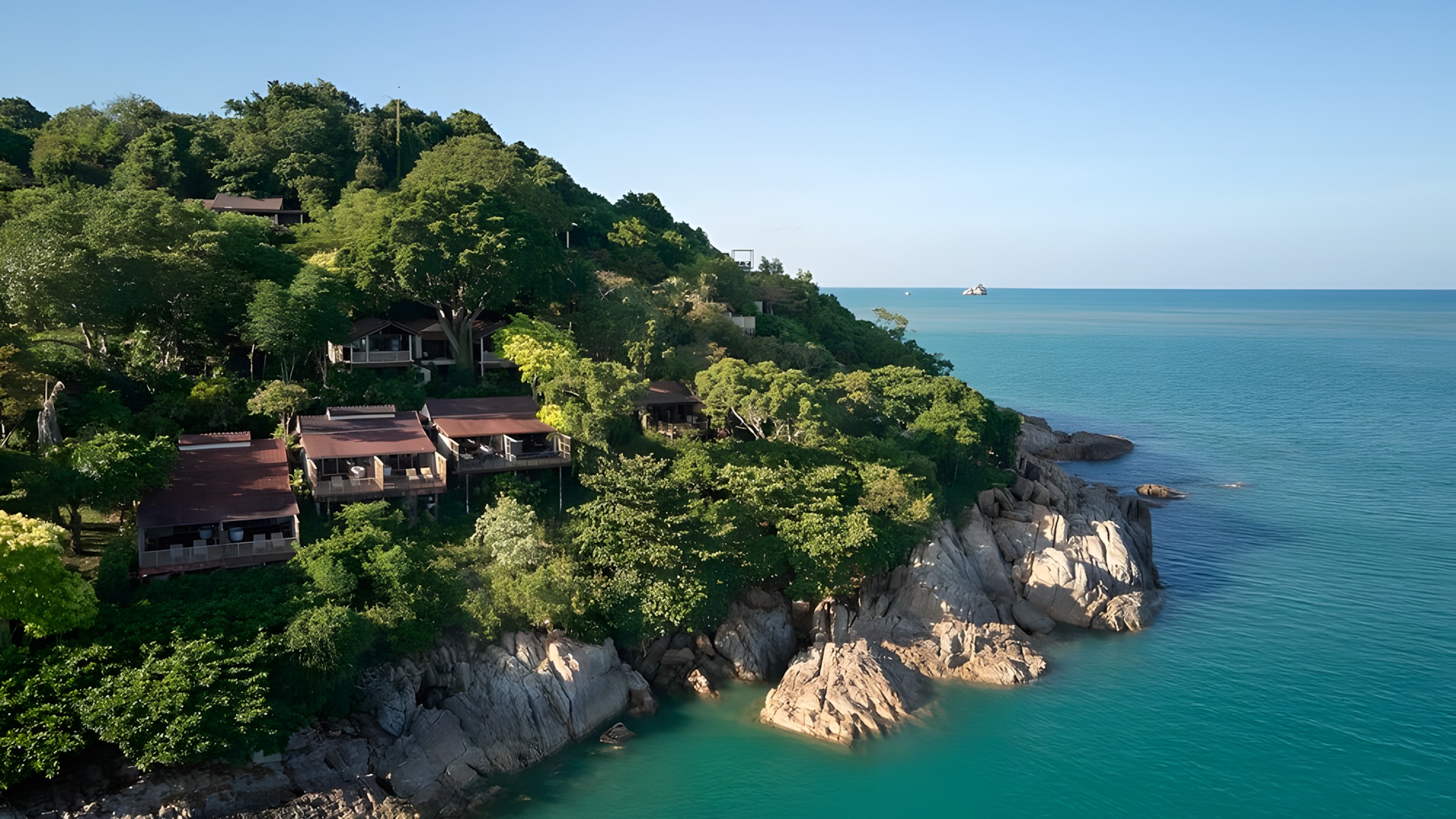
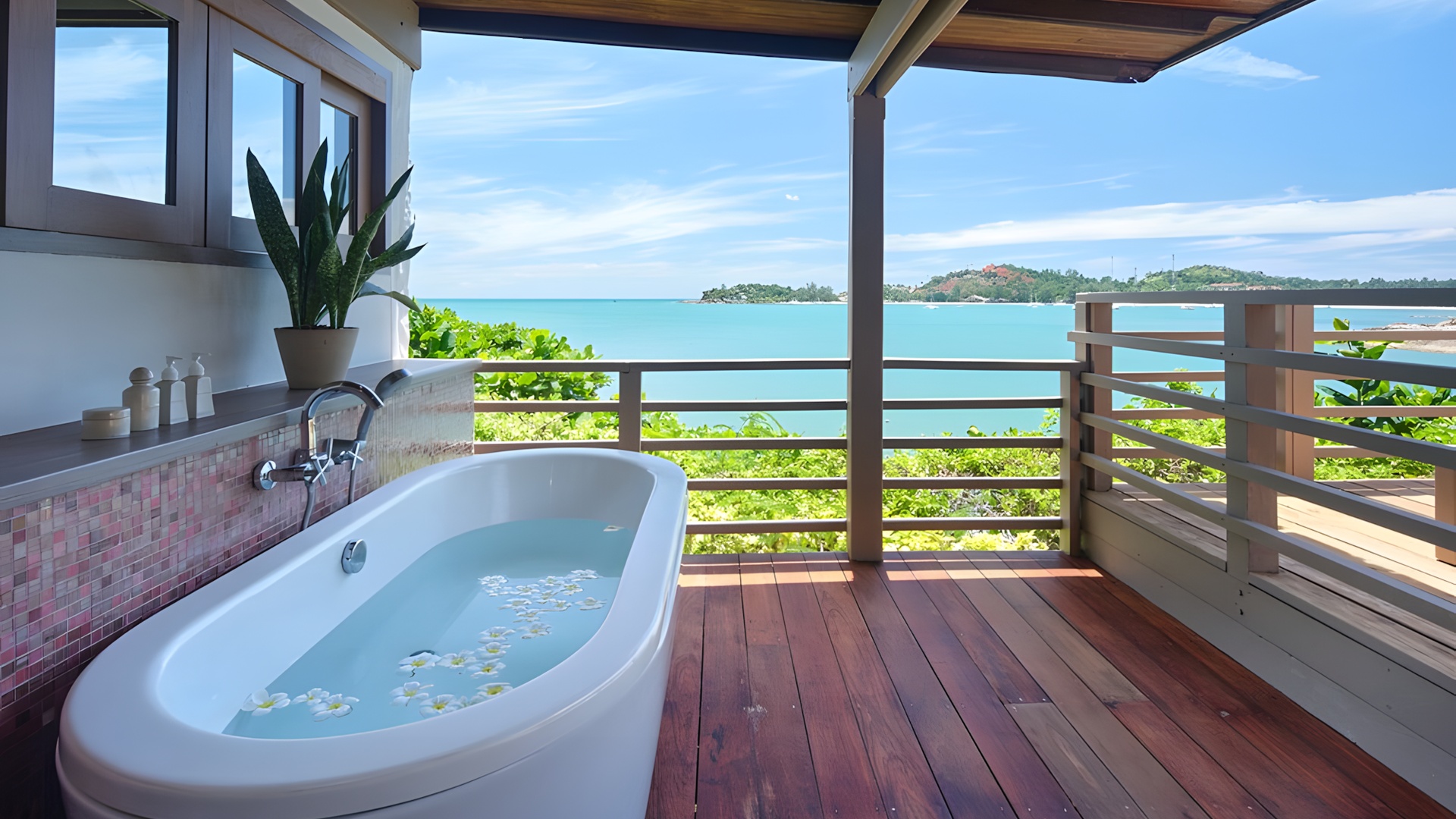
11 nights accommodation in double or twin room
Upto 25% Savings Applied
First/Business Class flight upgrades available
Comfortable private return airport transfers


12 nights accommodation
31% Savings
Premium/Business Upgrades Available
Private Car Transfers
Accommodation


12 -Nights Thailand Escape Experience
30% Savings on Premium Getaway
Including International & All Domestic flights
Seamless Private Transfers Throughout the stay
Stay in Elegant Handpicked Hotels
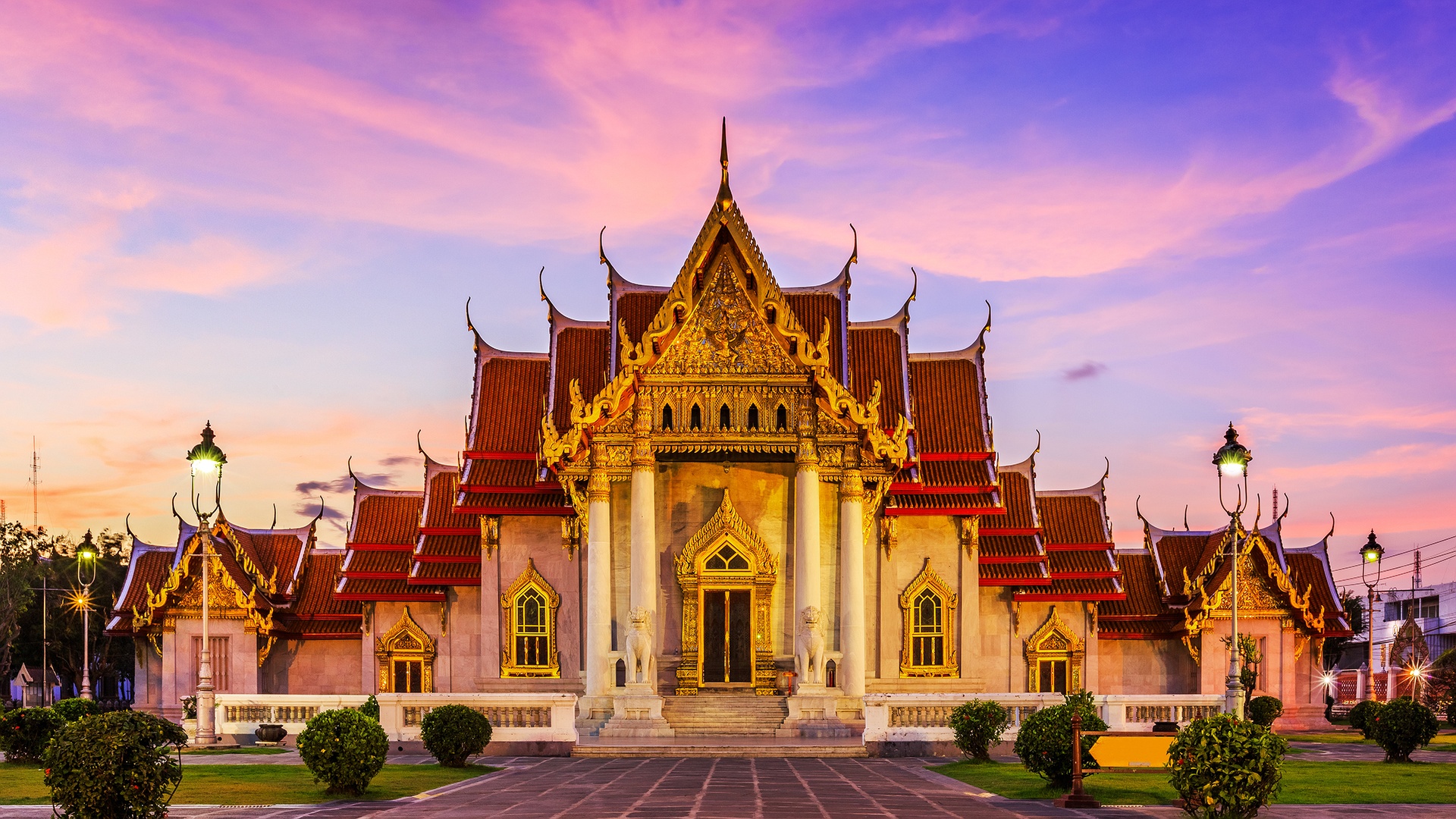
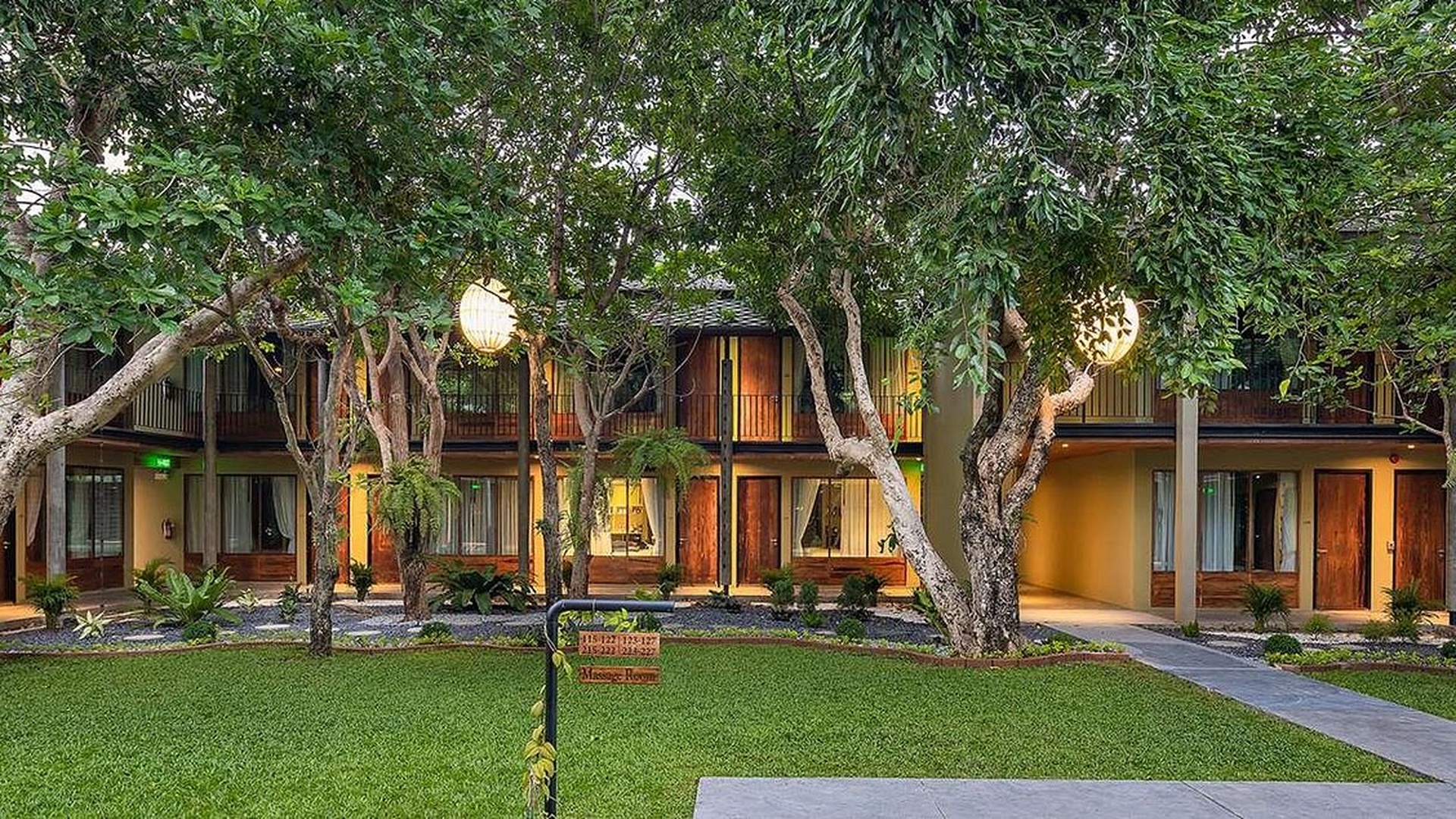
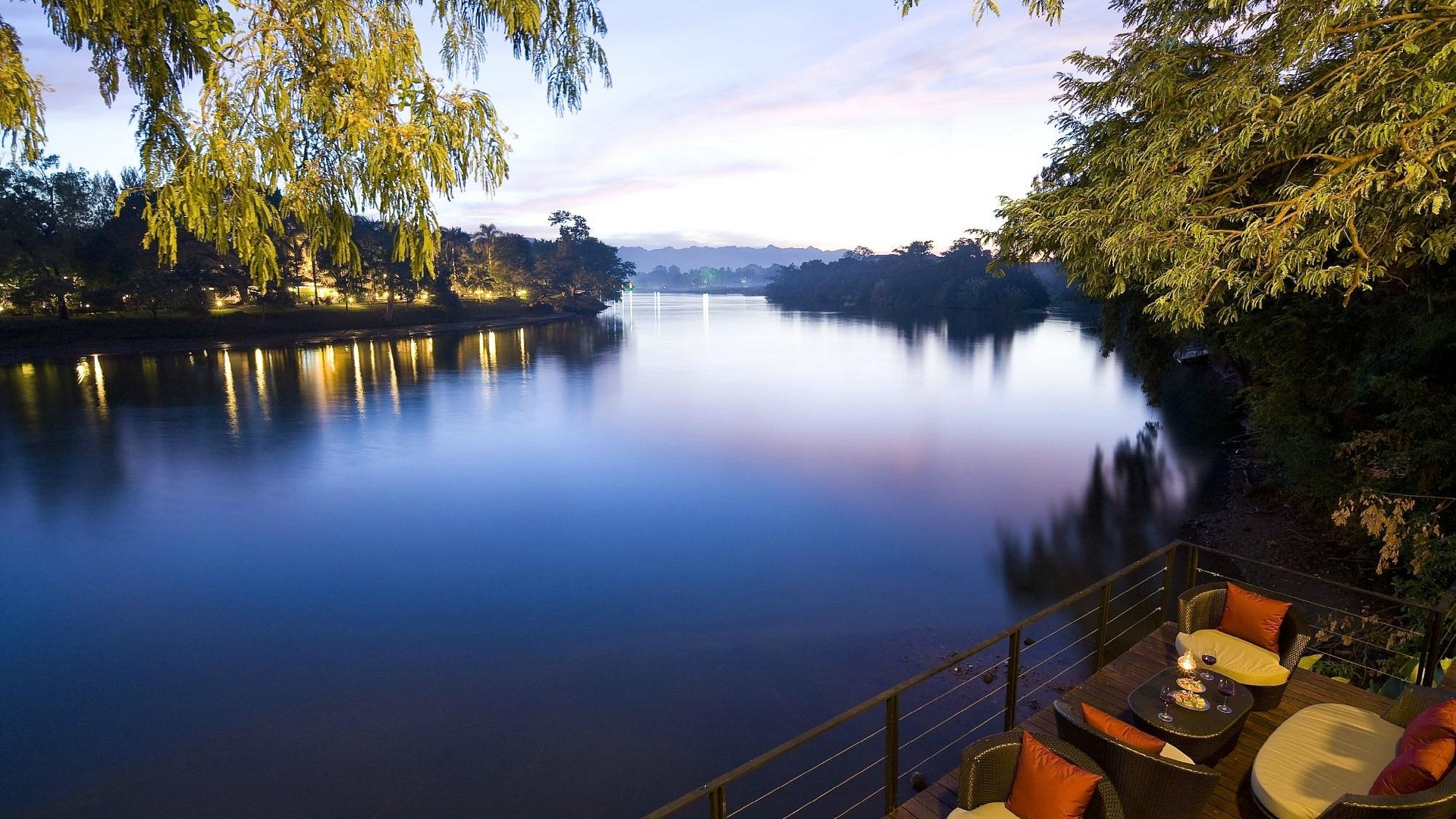
10-Night Thailand Multi-City
35% Savings
Cabin Upgrades Available
Seamless Multi-City Travel
Handpicked 4★ Hotels


31% Savings
Flight Upgrades
Transfers Included
Beachfront Stay
Daily Breakfast
Koh Tao Paradise
Peak season
Drier, slightly cooler weather and the busiest visitor period
Off-season
Wetter, more humid weather, generally with fewer visitors
 33° / 23°
20-25 mm
7 Hours
34° / 25°
20-25 mm
8 Hours
35° / 26°
45-55 mm
8 Hours
36° / 27°
90-95 mm
8 Hours
33° / 23°
20-25 mm
7 Hours
34° / 25°
20-25 mm
8 Hours
35° / 26°
45-55 mm
8 Hours
36° / 27°
90-95 mm
8 Hours
 35° / 27°
215-220 mm
7 Hours
34° / 26°
195-200 mm
6 Hours
34° / 26°
185-195 mm
5 Hours
33° / 26°
225-230 mm
5 Hours
33° / 25°
330-340 mm
5 Hours
33° / 25°
285-290 mm
5 Hours
35° / 27°
215-220 mm
7 Hours
34° / 26°
195-200 mm
6 Hours
34° / 26°
185-195 mm
5 Hours
33° / 26°
225-230 mm
5 Hours
33° / 25°
330-340 mm
5 Hours
33° / 25°
285-290 mm
5 Hours
 33° / 25°
40-50 mm
7 Hours
32° / 23°
10-15 mm
7 Hours
33° / 25°
40-50 mm
7 Hours
32° / 23°
10-15 mm
7 Hours
Thai Baht
GMT +7
Suvarnabhumi Airport


British citizens travelling on a full British citizen passport do not normally need a visa in advance for tourism in Thailand and can currently stay visa-free for up to 60 days.
The passport must be valid for at least 6 months from arrival and have at least one blank page.
UK travellers can enter Thailand visa-free for tourism, with permission granted by Thai immigration on arrival.
Travellers wanting a tourist visa before leaving the UK can apply through Thailand’s official e-Visa system.
A transit visa is generally unnecessary for a straightforward airside connection at Bangkok’s international airports.
Bangkok fills days with temples, markets, river trips, neighbourhood wandering, lively nights and plenty of active adventures.
Bangkok’s adventurous side ranges from green cycling routes and water sports to Muay Thai and skydiving thrills.
Bangkok’s history unfolds through royal homes, old forts, temples, museums and easy day trips to ancient Ayutthaya.
Bangkok keeps evenings varied with rooftop drinks, lively streets, themed cafés, huge malls and family-friendly indoor attractions.
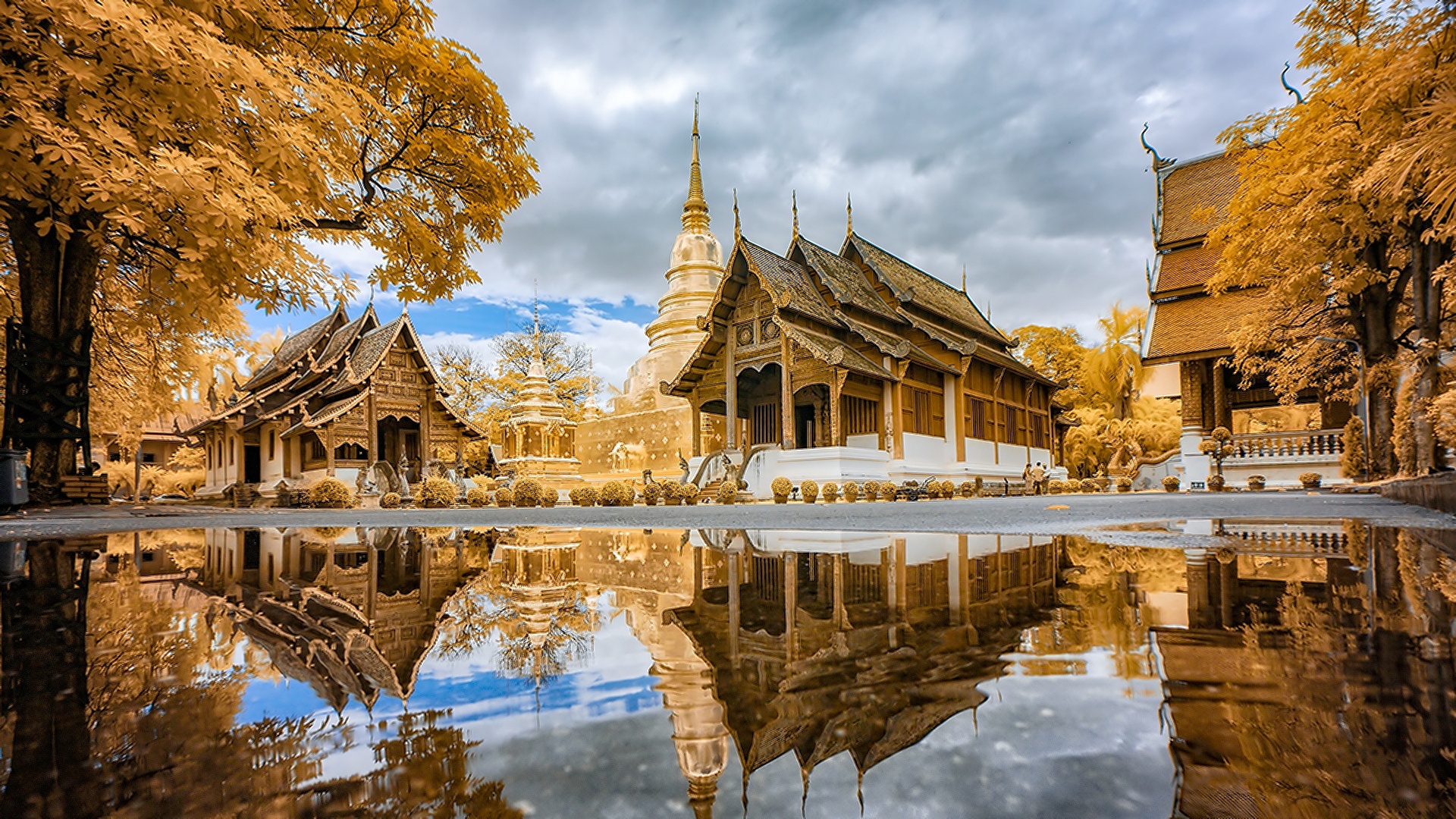
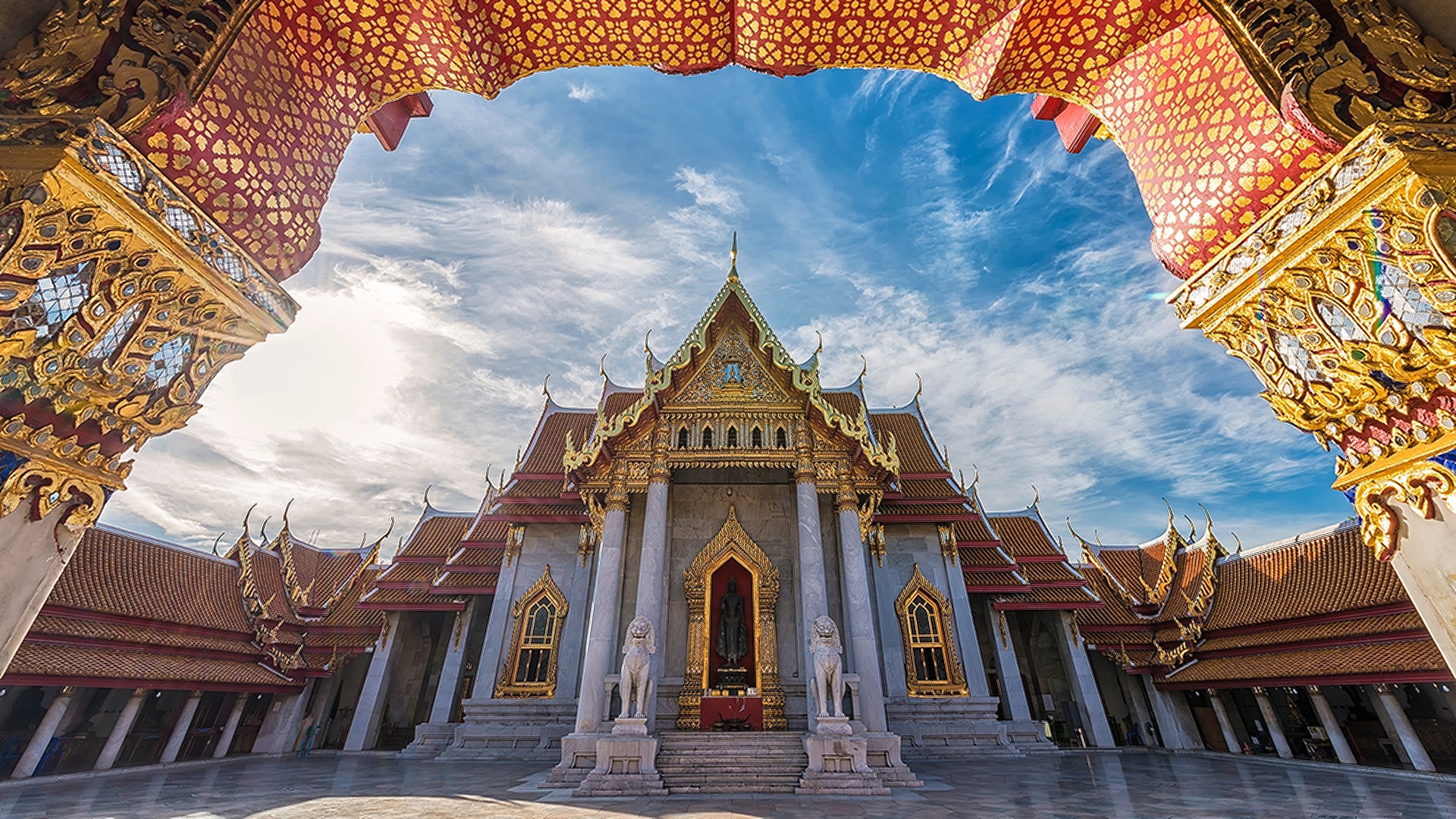
Bangkok’s culture lives in its temples, neighbourhoods, markets, textiles and performances, with centuries of tradition still part of daily life.
Bangkok celebrates loudly when it wants to, but some of its best annual events are surprisingly gentle, shaped by temple rituals, family traditions, food and life along the river.
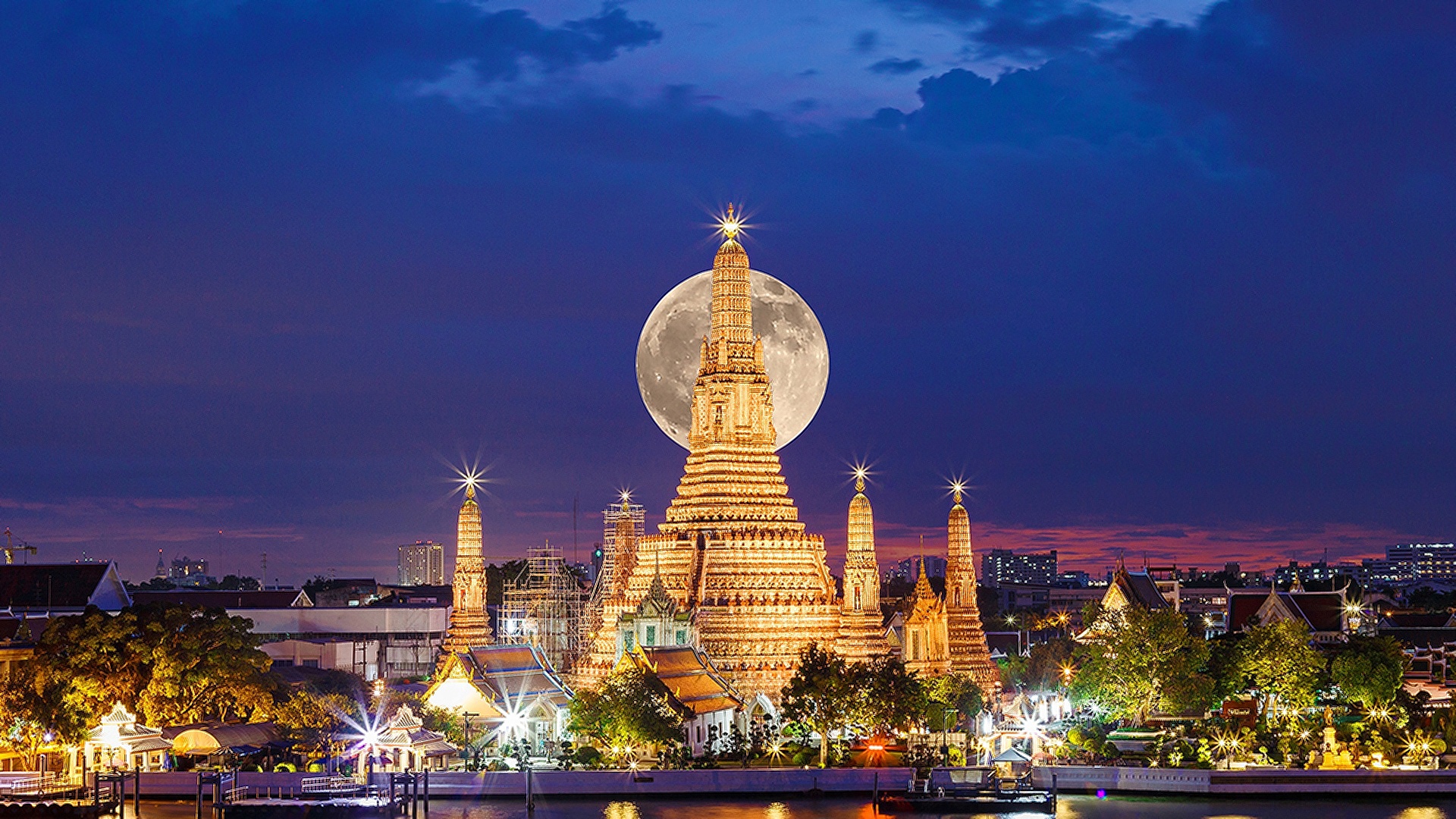
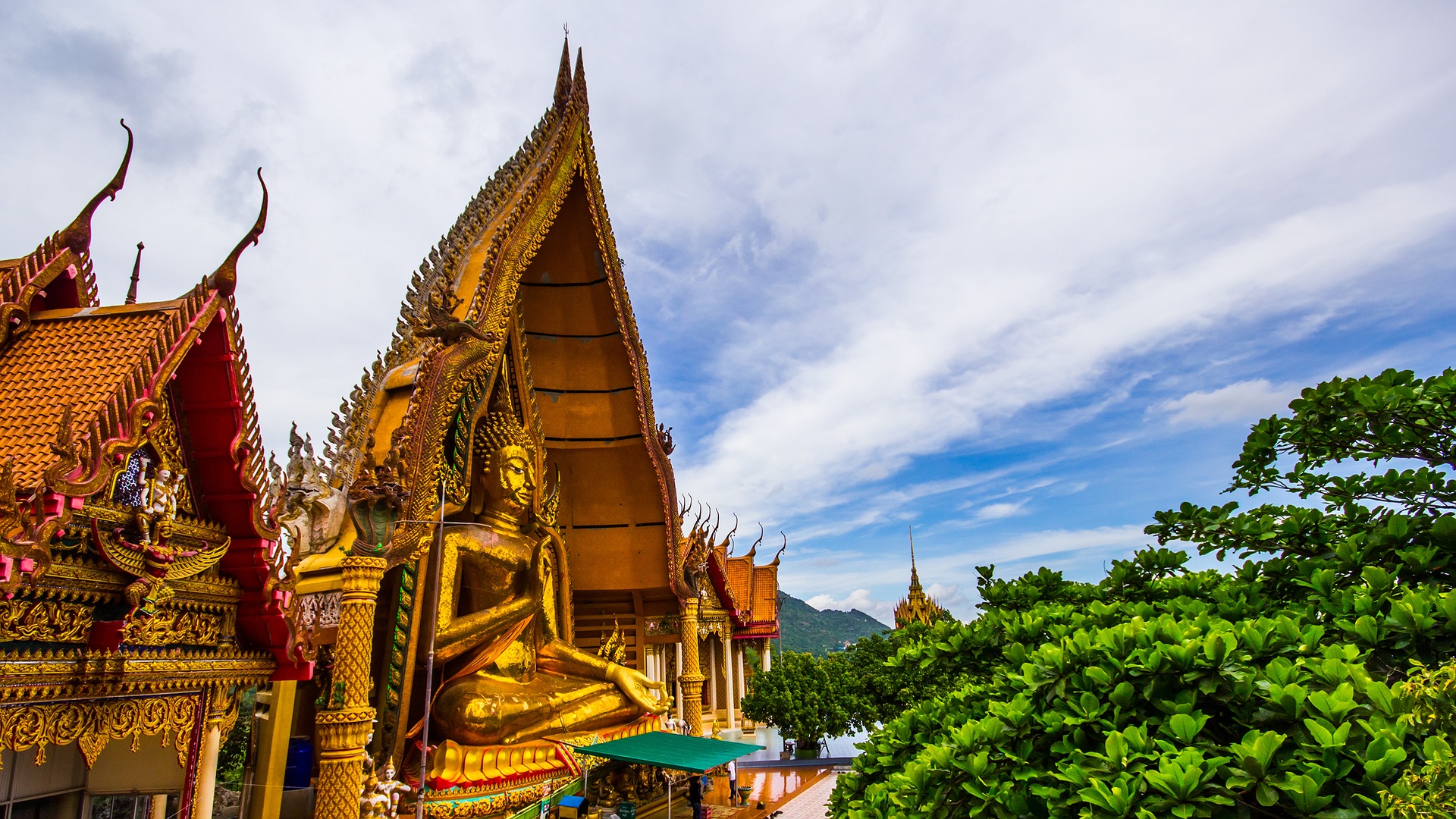
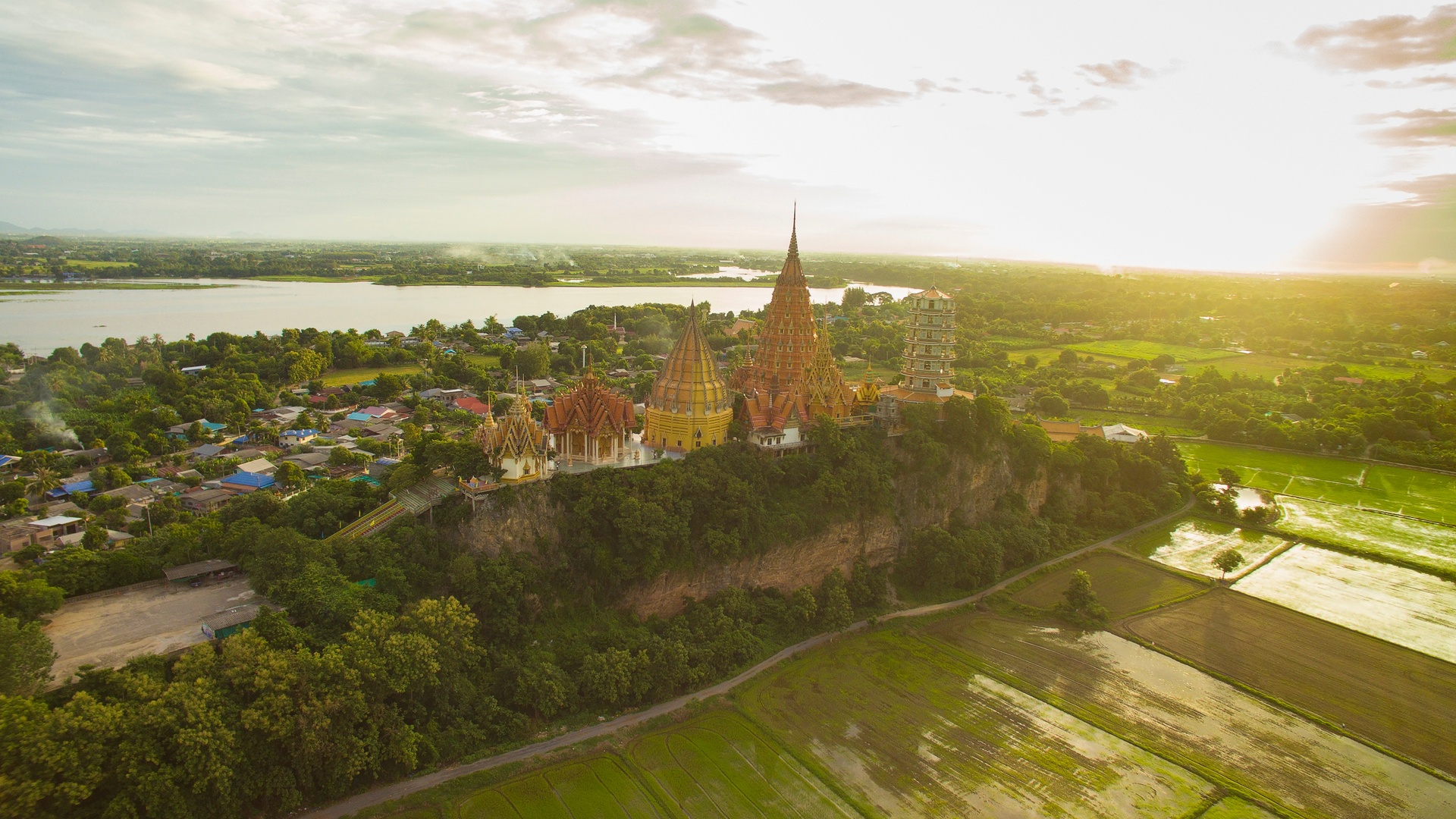
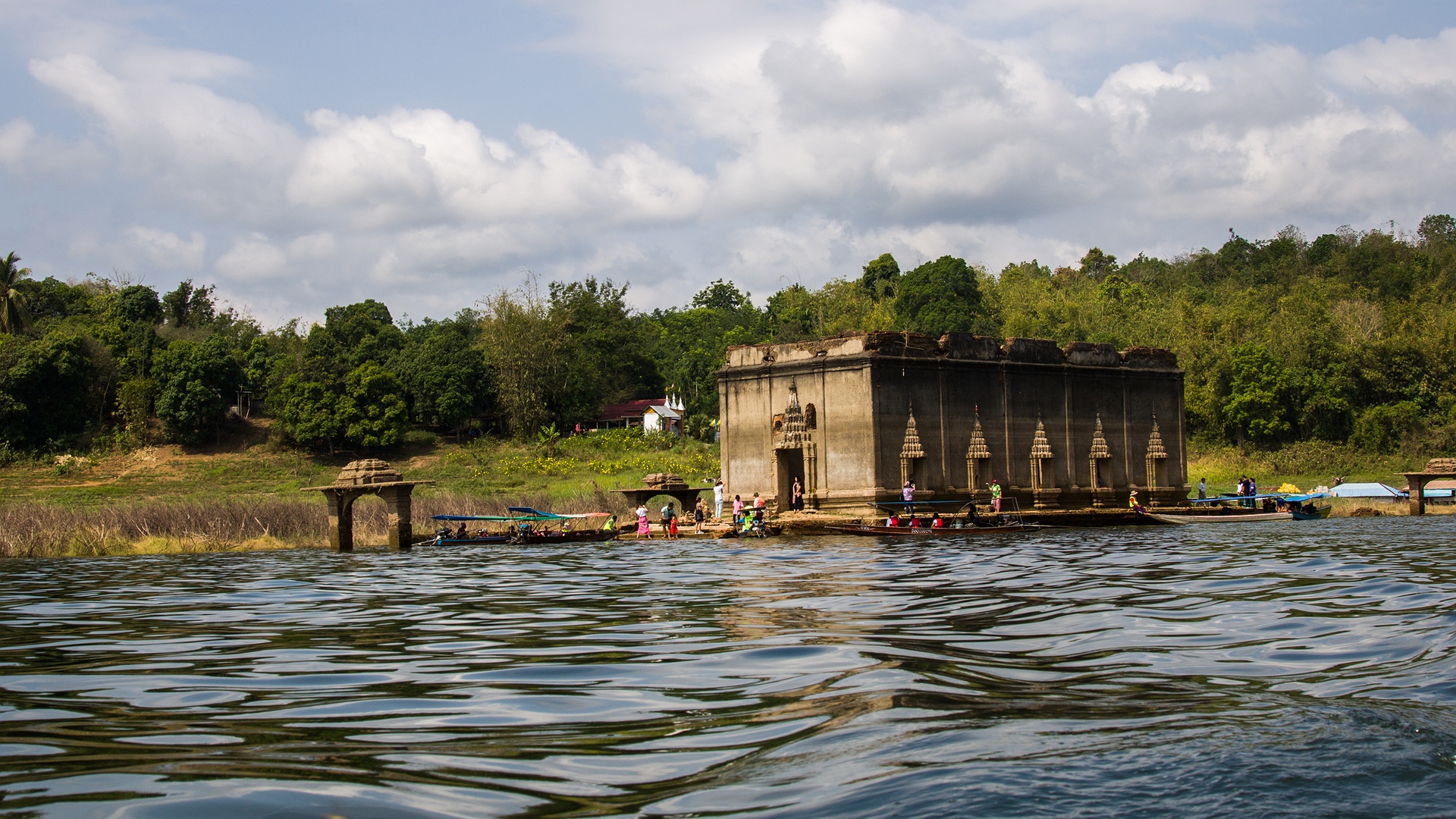
Bangkok’s standout sights bring together glittering temples, river journeys, skyline views and colourful day trips beyond the centre.
Bangkok’s food scene runs from fiery salads and fragrant soups to rich curries, noodles and coconut-heavy desserts.
Creamy coconut curry with chicken, basil, aubergine and fragrant Thai herbs.
Mild, rich curry with coconut milk, potatoes, peanuts and warm spices.
Minced pork or chicken stir-fried with Thai basil and hot chillies.
Creamy chicken soup with coconut milk, herbs and gentle tangy heat.
Northern-style coconut curry noodles topped with crisp noodles and rich broth.
Stir-fried rice noodles with peanuts, vegetables and balanced sweet-savoury flavours.
Hot, sour prawn soup brightened with lemongrass, lime and chilli.
Fiery green papaya salad with lime, chilli and crunchy textures throughout.
Sweet sticky rice with ripe mango and lightly salted coconut cream.
Tender poached chicken served over fragrant stock-cooked rice with dipping sauce.
Bangkok is a river-shaped capital of fifty districts, known for canals, markets, temples and a famously long name.
Bangkok sits on the Chao Phraya River in central Thailand, roughly 30 kilometres from the Gulf coast.
The city has 50 districts, with 15 west of the river and most major attractions east.
Thai is the official language, the currency is Thai baht, and Buddhism remains the country’s main religion.
Bangkok is known locally as Krung Thep, shortened from its famously long ceremonial Thai name.
Bangkok developed around canals, earning the historic nickname ‘Venice of the East’ before roads reshaped the city.
Chatuchak Weekend Market has more than 15,000 stalls, making it one of Bangkok’s biggest shopping experiences.
Bangkok stays warm year-round, with cooler conditions generally from November to February and intense heat around April.
Several Bangkok temples, including Wat Arun and Wat Phra Kaew, featured on earlier series of Thai baht coins.
A smoother Bangkok stay comes from planning around the heat, traffic, temple etiquette, transport and current entry requirements.
UK passports need at least six months’ validity after arrival and at least one blank page for entry.
British tourists can visit Thailand for up to 60 days, with a possible 30-day extension.
Complete Thailand’s Digital Arrival Card online within three days before arriving by air, land or sea.
Check TravelHealthPro around eight weeks before travel for recommended vaccines, dengue, malaria, rabies and Zika guidance.
If arriving from a yellow-fever risk country, carry the required vaccination certificate before entering Thailand.
Use BTS, MRT and river ferries when practical, as Bangkok traffic can make short journeys surprisingly slow.
Keep some Thai baht for local restaurants and smaller shops, although cards work widely in upscale venues.
Choose accommodation near public transport, particularly if sightseeing across several districts during a short Bangkok stay.
Buy travel insurance covering your itinerary, planned activities, medical treatment and emergency evacuation before leaving Britain.
Travelling against FCDO advice can invalidate insurance, so always check official guidance before changing your itinerary.
Pack for Bangkok’s heat and humidity, with light clothing, comfortable footwear, sun protection and a few practical essentials.
Bangkok is generally straightforward to explore, but sensible big-city precautions and up-to-date FCDO advice still matter.
Bangkok is generally manageable for UK travellers who use normal big-city precautions, but risks include pickpocketing, bag-snatching, road accidents, drink spiking and occasional political unrest. Stay alert in crowded areas, avoid isolated streets late at night, use reputable transport and follow current FCDO advice.
Carry cash and valuables securely, especially in markets, crowded transport and open vehicles such as tuk-tuks.
Keep drinks attended, avoid accepting drinks from strangers and arrange licensed transport before late-night bar visits.
Methanol-contaminated alcohol has caused deaths in Thailand; seek urgent medical help after suspicious drinking symptoms.
Use bank-based ATMs, shield your PIN and keep your card visible during payments to reduce fraud risks.
Avoid protests, political gatherings and demonstrations, as Thailand’s political situation can become unpredictable with little warning.
Road accidents are a major risk, particularly involving motorcycles; use helmets and ensure licences and insurance are valid.
Bangkok’s air pollution can reach unhealthy levels, particularly during seasonal smoke haze, worsening asthma and sinus conditions.
Private hospitals are generally of a high standard but can be expensive, so contact the travel insurer promptly if treatment is needed.
Dial 191 for emergencies and ask for an ambulance, or call Thailand’s local medical emergency number 1669.
FCDO advises against certain southern and Cambodian-border areas, so check official guidance before travelling beyond Bangkok.
Never criticise Thailand’s monarchy, including online, because lèse-majesté laws apply broadly and can carry long prison sentences.
Cannabis is restricted to medical use with a Thai prescription; recreational possession or use remains illegal.
Never take cannabis out of Thailand without official permission; travellers can face fines, detention and immigration consequences.
Vapes, e-cigarettes, pods, e-liquids and heat-not-burn devices are illegal to possess or use, including for tourists.
Thailand has severe penalties for illegal drugs. Possession can lead to imprisonment, while some serious drug offences can carry the death penalty.
Keep a passport copy available, as police may request identification and require the original within 24 hours.
Drones must be registered with the relevant Thai authorities. NBTC registration is required within 30 days of entering Thailand or purchasing a drone, even if there are no plans to fly it.
Cover shoulders and knees at temples, remove footwear where required and behave quietly around active worshippers.
Alcohol sales are restricted from midnight to 11am, except in licensed hotels, airports and authorised entertainment venues.
Treat Thai currency respectfully and never step on banknotes or coins bearing images connected to the monarchy.
Thai culture values calm, respectful interaction; publicly embarrassing someone or causing them to ‘lose face’ is discouraged.
Our dedicated travel consultants will help create a holiday that feels completely your own.
From flights and handpicked hotels to private transfers and memorable experiences, we’ll take care of every detail.