


India has earned the title. In November, Travel + Leisure (T+L) named the country its Destination of the Year for 2027, the twelfth time the US magazine has made the call. Brazil held the title for 2026. Thailand had it before that, and Costa Rica before that.
The recognition comes at an important time for India’s tourism industry. India still receives fewer foreign tourist arrivals than it did in 2019, but the government aims to welcome 100 million international tourist arrivals a year by 2047.
Why India Won
Jacqui Gifford, T+L’s editor-in-chief, made it personal. Her first trip was at the age of three, and what stayed with her was the colour, the buttery naan, the traffic (chaotic, naturally) and the warmth of almost everyone she spoke to. As Gifford wrote, “The country seeps into your skin.”
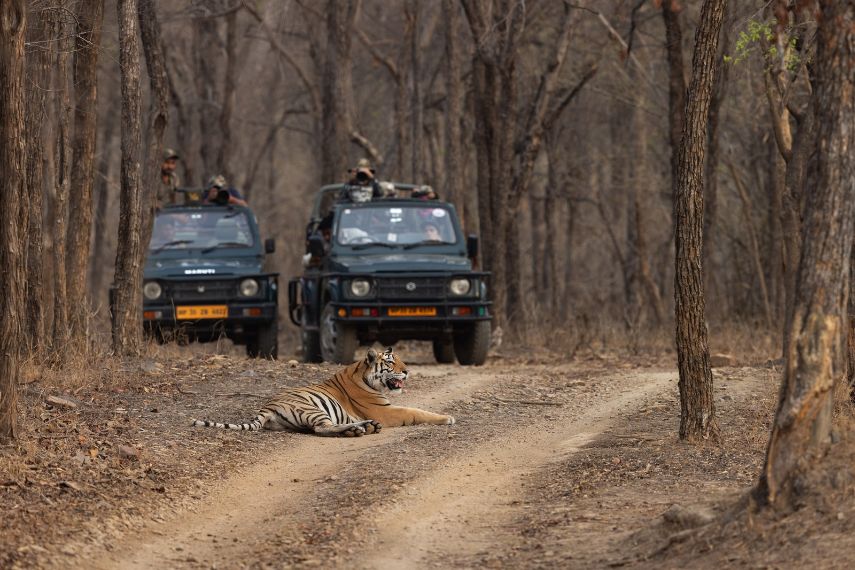
The issue itself ranges far beyond the Taj Mahal. Readers are sent tiger-spotting in Panna National Park, up to Nagaland for the Hornbill Festival and into Old Delhi’s Chandni Chowk on an empty stomach. The magazine also highlights 11 destinations worth exploring, from Khajjiar in the hills of Himachal Pradesh to the coral islands of Lakshwadeep.
A Timely Boost for Tourism
The numbers explain why this matters.
| Year | Foreign Tourist Arrivals |
| 2019 | 10.93 million |
| 2024 | 9.95 million |
| 2025 | 9.15 million |
Ministry of Tourism figures put 2025 at 9.15 million foreign tourist arrivals. That’s 8% down on 2024 and roughly 16% below the 2019 peak.
Bad news? Partly. Most of the fall came from a single market: arrivals from Bangladesh dropped by around 73% amid political turmoil and social unrest in Bangladesh. Excluding Bangladesh, arrivals from other countries grew by roughly 4–6%, according to available official and reported estimates. The UK held second place among source markets, behind the US, with just over a million visitors in 2025.
Then there’s the target. The government wants 100 million international tourist arrivals a year by 2047, the centenary of independence. From 2025 levels, that would require average annual growth of roughly 11–12% for more than two decades. Ambitious is one word for it. A cover story in one of America’s biggest travel magazines won’t get India there on its own, but it helps.
Where to Go in 2027
India covers about 3.29 million square kilometres and has 28 states and eight union territories, and T+L concedes that planning a trip here is hard. Its shortlist cuts the problem down to size.
Udaipur, Rajasthan
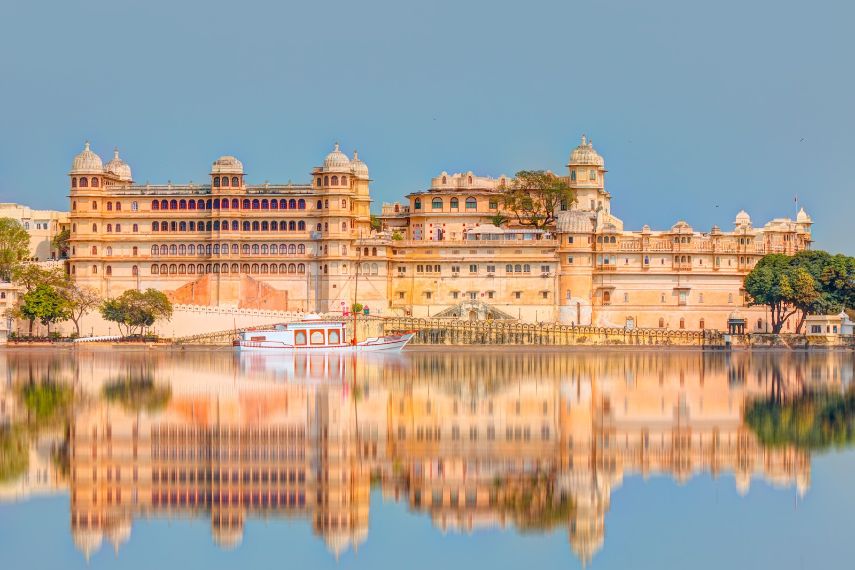
Udaipur is defined by its seven lakes. T+L calls it “the Venice of the East.” The City Palace stretches along the eastern shore of Lake Pichola, while the Monsoon Palace looks down from a hilltop to the west, with the Aravalli hills rolling away behind it.
If you’ve seen one photograph of Udaipur, it was probably of the Taj Lake Palace, an 18th-century marble palace that takes up an entire island in the middle of Pichola (T+L ranks it among the world’s best hotels with some regularity). The city itself ranked 12th in the magazine’s World’s Best Awards 2026, ahead of every other Indian city.
Delhi and Agra
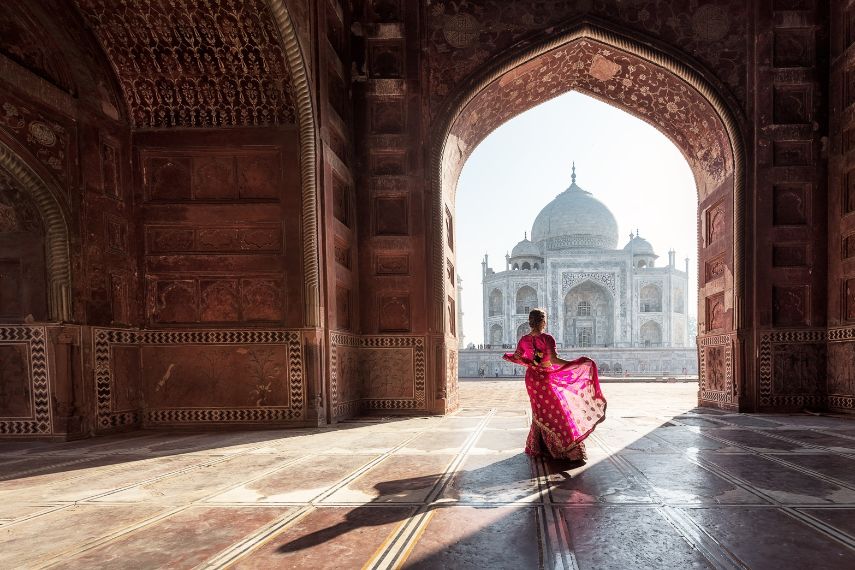
Most first trips land in Delhi. Don’t rush out. Humayun’s Tomb and the Qutub Minar deserve a morning each; Chandni Chowk deserves an appetite; and Humayunpur, a small south Delhi neighbourhood that Time Out ranked the 16th coolest in the world this year deserves an evening.
Agra is under two hours away on a fast train. Shah Jahan built the Taj Mahal in the 17th century as a tomb for his wife, Mumtaz Mahal, and it still lives up to the hype. Go at sunrise, when the marble takes on a pink hue and the queues are at their shortest.
Lakshadweep
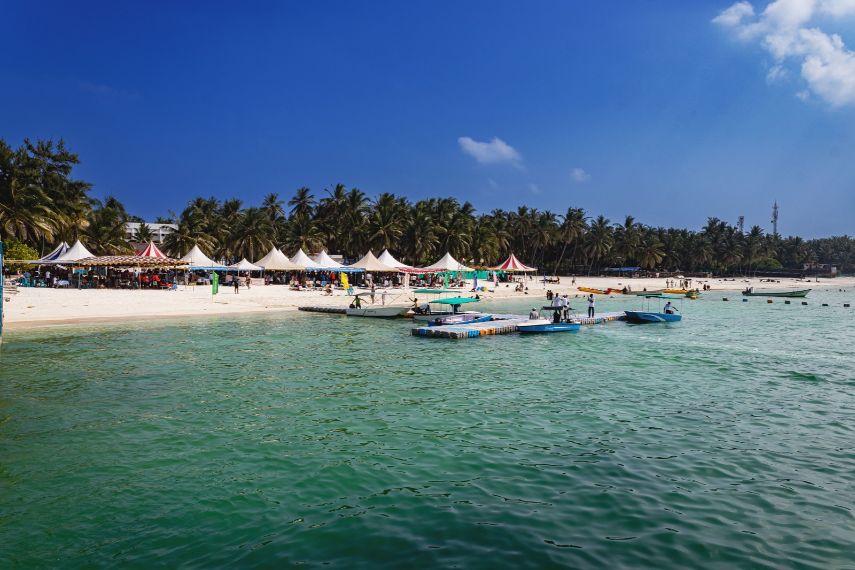
Thirty-six islands lie off India’s south-west coast. About ten inhabited, while foreign visitors are currently permitted to visit Agatti, Bangaram and Kadmat. All tourists require an entry permit from the island administration.
That scarcity is exactly why the reefs and lagoons look the way they do.
Getting there usually involves a flight from Kochi to Agatti. Permits, flights and accommodation are all in limited supply, so book all three well in advance.
Madhya Pradesh
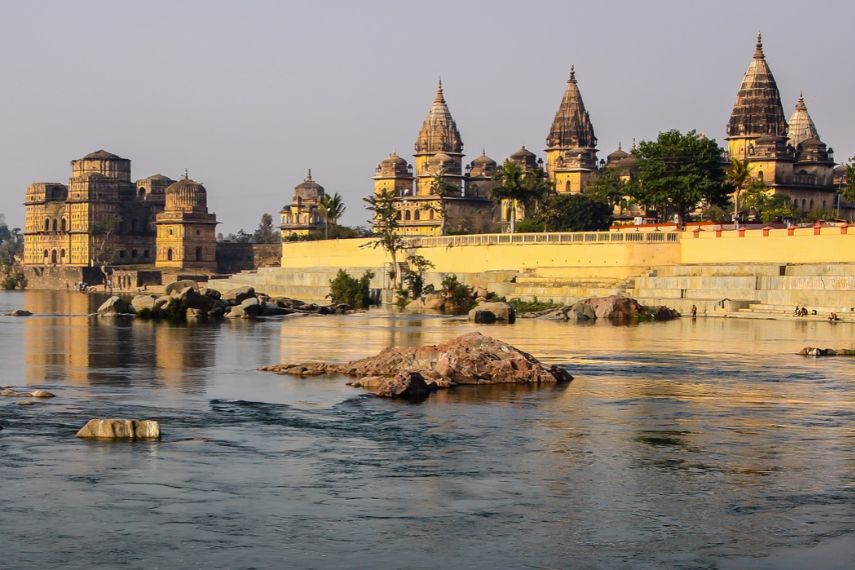
No Indian state has more tigers. Panna National Park is one of the quieter reserves to look for, and Khajuraho’s UNESCO-listed temples are less than an hour’s drive away, so a morning game drive followed by an afternoon among thousand-year-old carvings is a perfectly realistic day. Add Orchha for its riverside palaces and cenotaphs.
One thing to plan around: the core zones of the state’s tiger reserves close for the monsoon, usually from July to the end of September.
Meghalaya
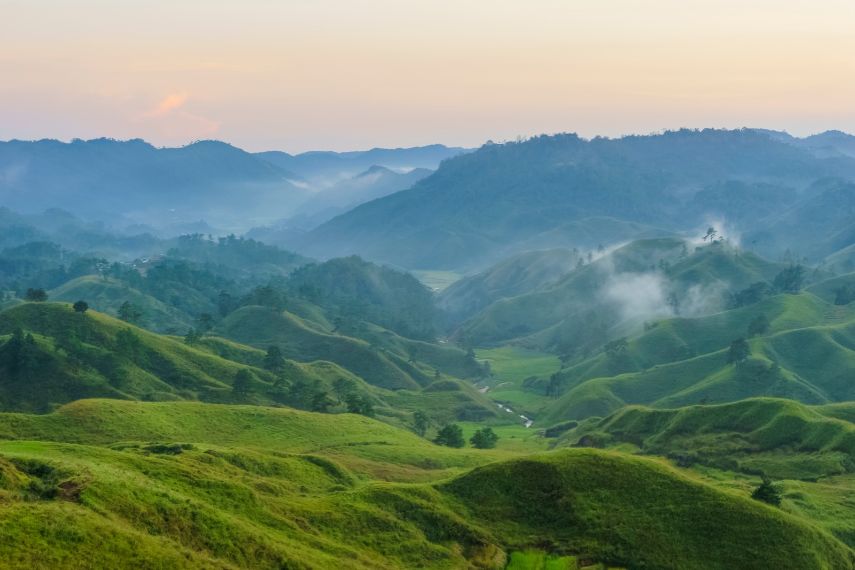
Meghalaya, up in the north-east, has green hills, deep gorges and more rain than seems reasonable. Mawsynram is often called the wettest inhabited place on Earth, and there are sandstone caves beneath it.
In the Khasi Hills, villagers have spent generations training the roots of rubber fig trees across rivers to make living bridges. The best known, at Nongriat, has two tiers. Travellers with more time can also explore Kaziranga National Park in neighbouring Assam, home to around two-thirds of the world’s greater one-horned rhinos.
Nagaland
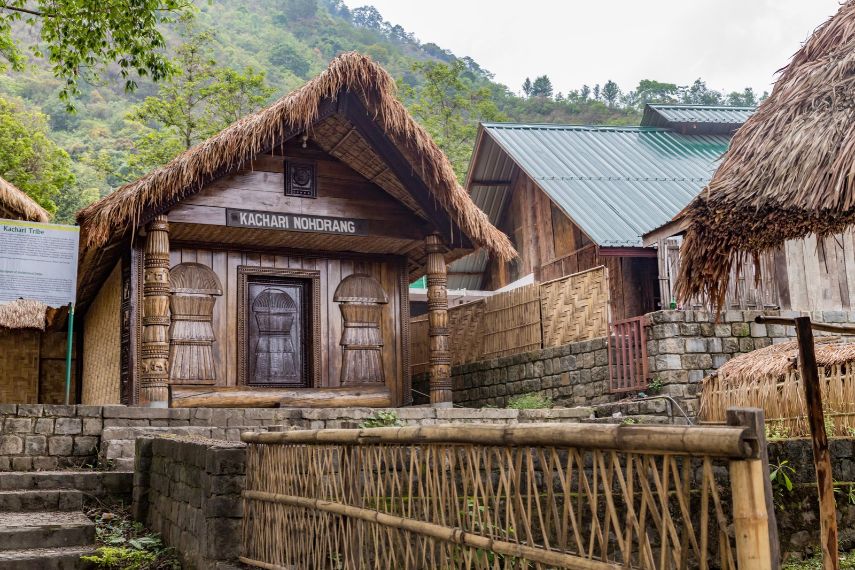
Every year from 1 to 10 December, Naga communities from across the state gather at Kisama Heritage Village, just outside Kohima, for the Hornbill Festival of music, dance, traditional games, food and craft.
Other Destinations
Chettinad in Tamil Nadu, for its merchant mansions and fiery cooking; Jodhpur, the “Blue City”; and Khajjiar, nicknamed “India’s mini Switzerland”. Mumbai is best explored one neighbourhood at a time, from the galleries of Kala Ghoda to the cafés and street art of Bandra.
When to Go
| Destination | Best For | When to Go |
| Udaipur | Romance and palace hotels | October to March |
| Delhi and Agra | First-time visitors | October to March |
| Lakshadweep | Reefs and remote islands | October to May |
| Madhya Pradesh | Tigers and temples | October to June |
| Meghalaya | Walking and slow travel | October to May |
| Nagaland | Culture and festivals | 1 to 10 December for Hornbill |
Beyond the Golden Triangle
For first-time visitors with limited time, Delhi, Agra and Jaipur make a good starting point. Jaipur even gets a bonus in 2027: the city turns 300 on 18 November, with an anniversary planned around the milestone. India will also mark 80 years since independence on 15 August 2027.
Have more time? Add a region. Udaipur is a short flight from Delhi. Orchha sits a short drive from Jhansi, which is on the fast rail line south of Agra, with Khajuraho and Panna a road journey beyond. Save Meghalaya and Nagaland for a separate trip to the north-east and, if you can, time it for Hornbill.
What This Means for Travellers
A title like this is more than a tourism award. It shows how little of India fits a single image or a single route. One well-planned trip can take in a palace hotel and a street-food crawl, or a morning tiger safari and an afternoon in a temple town. You could start in the Himalayas and finish on a coral lagoon.
So for 2027, pair the familiar with the less obvious. Start with Delhi and Agra. Then add one more region: Udaipur for romance, Madhya Pradesh for wildlife, or Nagaland and Meghalaya to go deeper into India’s cultures and landscapes.
Curious travellers have always been rewarded in India. With Travel + Leisure naming it Destination of the Year for 2027, many more people are about to find out how much there is beyond the usual itinerary.