
New York is a world-class destination where the soaring skyscrapers of Manhattan meet the majestic peaks of the Adirondacks, creating an unmatched energy across the entire Empire State. From the neon glow of Times Square to the quiet rustle of Hudson Valley leaves, it offers a unique, cinematic experience year-round.
Finding the best time to visit New York depends on whether you are chasing cherry blossoms, holiday magic, or budget deals. For most, the sweet spot falls during the shoulder seasons of April to June (Spring) and September to November (autumn). These months offer the state’s most pleasant weather, perfect for exploring Central Park or hiking the catskills. Whether you want the snowy romance of February, the lush landscapes of May, or the electric energy of a New York Christmas, this guide covers the month-wise temperature, crowd level, and hidden gems.
Month | Temp Range | Rainfall | Crowds | Key 2026 Highlight |
Jan | -3°C to 4°C | Moderate | Low | NYC Restaurant Week |
Feb | -2°C to 6°C | Moderate | Low | Super Bowl LXI Buzz |
Mar | 2°C to 12°C | 90–144mm | Mid | St. Patrick’s Day Parade |
Apr | 7°C to 18°C | 91–139mm | Mid | Easter Bonnet Parade |
May | 12°C to 22°C | 94–102mm | Mid | Ninth Avenue Food Fest |
Jun | 18°C to 26°C | 90–100mm | High | NYC Pride March |
Jul | 21°C to 29°C | 90–100mm | Peak | Macy’s 4th July Fireworks |
Aug | 19°C to 28°C | 76–102mm | High | US Open Tennis |
Sep | 15°C to 23°C | 86–102mm | High | Feast of San Gennaro |
Oct | 10°C to 21°C | 76–102mm | Mid | Village Halloween Parade |
Nov | 5°C to 12°C | 76–102mm | High | Macy’s Thanksgiving |
Dec | 0°C to 7°C | Moderate | Peak | New Year’s Eve Ball Drop |
Best Time of the Year to Visit New York
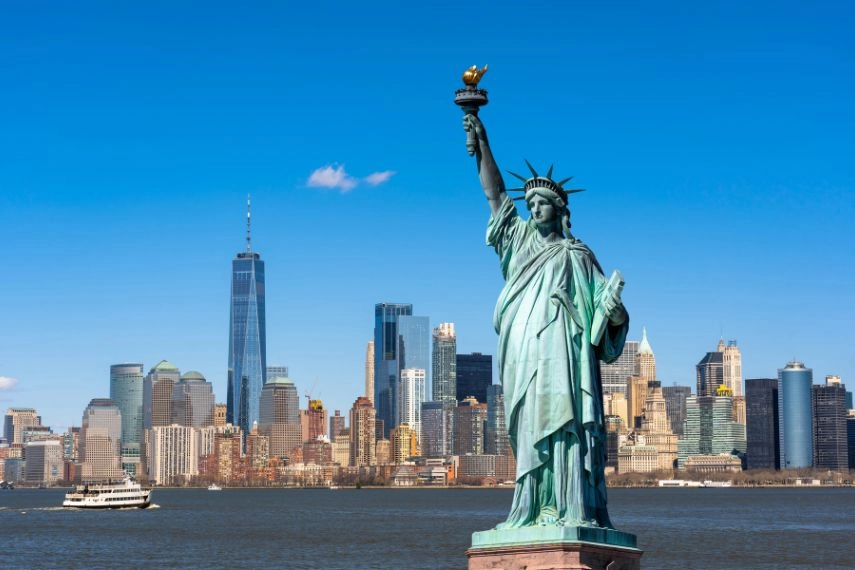
The overall best time to visit New York is late April to early June or September to mid-October. During these windows, the humidity is low, the parks are either blooming or turning gold, and the walking weather is near perfection. However, New York also looks spectacular around Christmas for its unmatched liveliness and during the winter months for those seeking a budget-friendly travel.
Cheapest Time to Visit New York
The cheapest time to visit New York is during the “low season” from mid-January to early March. After the festive rush, hotels and airlines slash prices to attract visitors during the colder winter months. February is usually the most affordable month, offering budget-friendly Broadway tickets and uncrowded museums. Just wrap up warm to enjoy the city’s iconic sights while snagging the absolute best travel deals.
Best Time to Visit New York for Christmas
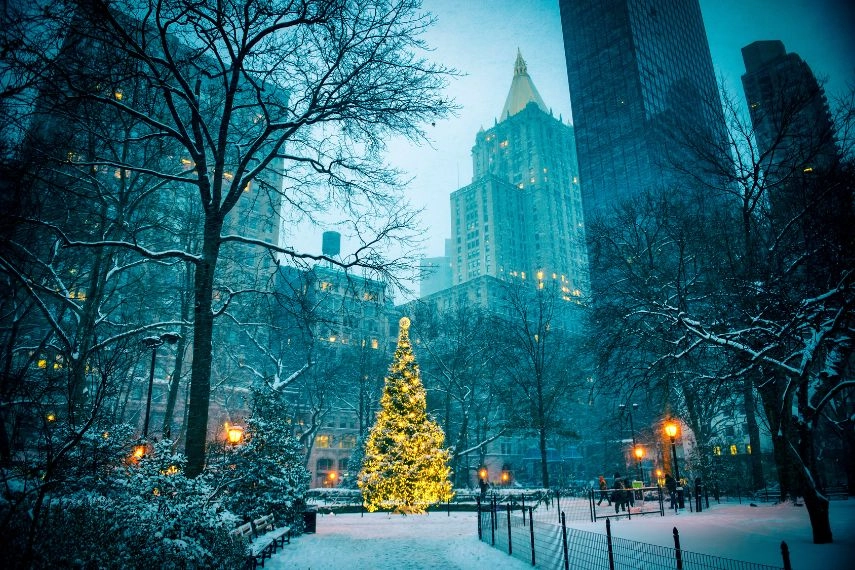
The best time to visit New York for Christmas is early to mid-December. By visiting in the first two weeks of the month, i.e. before the 15th December, you will enjoy the iconic Rockefeller Center tree, festive holiday markets, and Fifth Avenue window displays with fewer crowds and lower hotel prices. The peak prices hit after 20th December. So, if you visit around 25th December, you will definitely find the best holiday magic with peak festivities and a buzzing atmosphere, but you will get higher costs and heavy crowds. Just remember to pack warm layers for those 0°C walks!
Best Time to Visit New York with Kids
The best time to visit New York with kids is during the spring (April to June) and autumn (September to October). In spring, temperatures pleasantly climb from 6°C to 22°C, perfect 24°C, ideal for walking tours and fall foliage. These shoulder seasons avoid the summer humidity and winter freeze, ensuring for seeing Central Park in full bloom. Autumn offers crisp, clear days between 10°C and comfortable, high-energy family adventure.
Best Time to Visit New York in the Fall
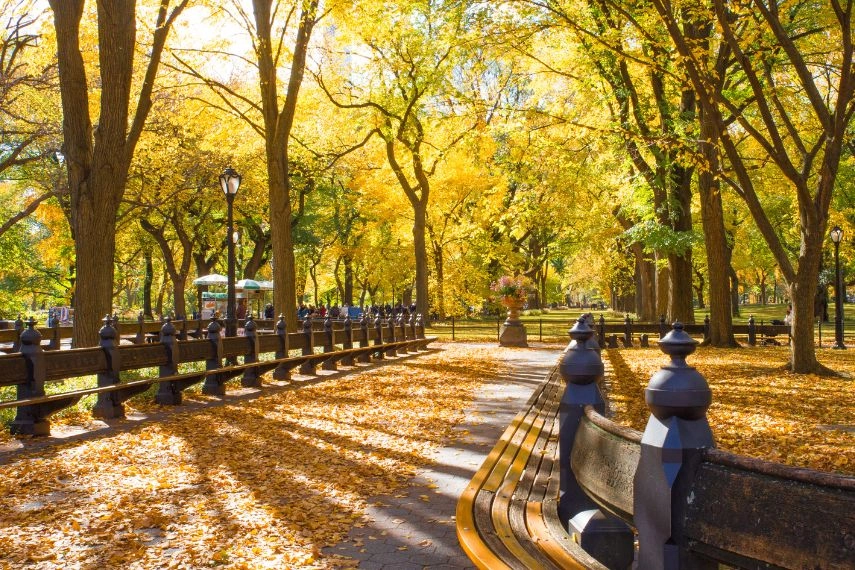
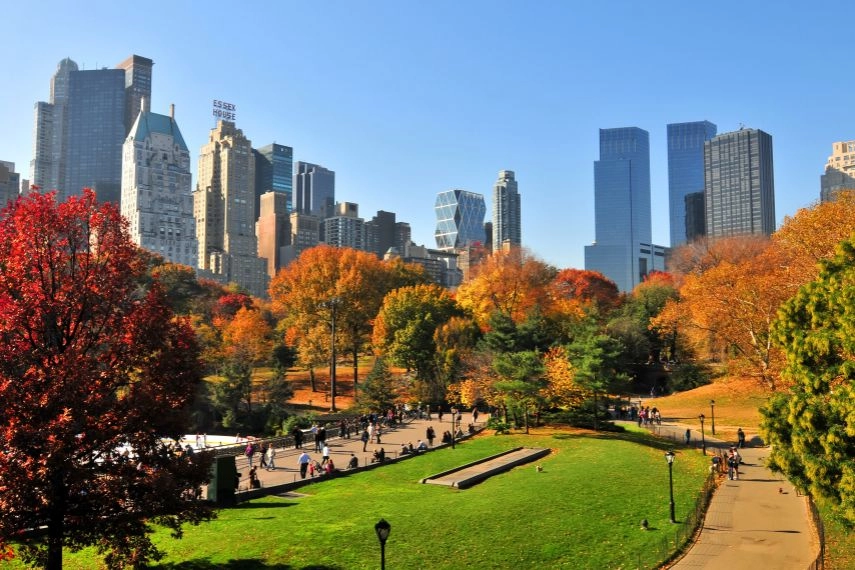
For the perfect New York fall experience, aim for late September through early November. September offers pleasant highs around 24°C (75°F), ideal for outdoor dining. To see peak foliage in Central Park, visit during the first two weeks of November. While October brings iconic events like the Village Halloween Parade, be mindful of spiked hotel prices and crowds during the NYC marathon.
Best Time to Visit New York for Snow
For a magical winter wonderland, the best time to visit New York is late January through February. This period offers the highest snowfall accumulation, with temperatures averaging between -3°C and 4°C (26°F–39°F). Central Park and Greenwich Village become postcard-perfect under the snow. Travelling during this season also means lower hotel rates and fewer crowds compared to the busy holiday season.
Best Season to Visit New York
Choosing the right time to visit New York depends entirely on whether you want to chase cherry blossoms, soak up the summer sun, or wander through a winter wonderland. Each season transforms the city into a completely different version of itself, so here is the breakdown of what to expect throughout the year.
Spring in New York (March – May)
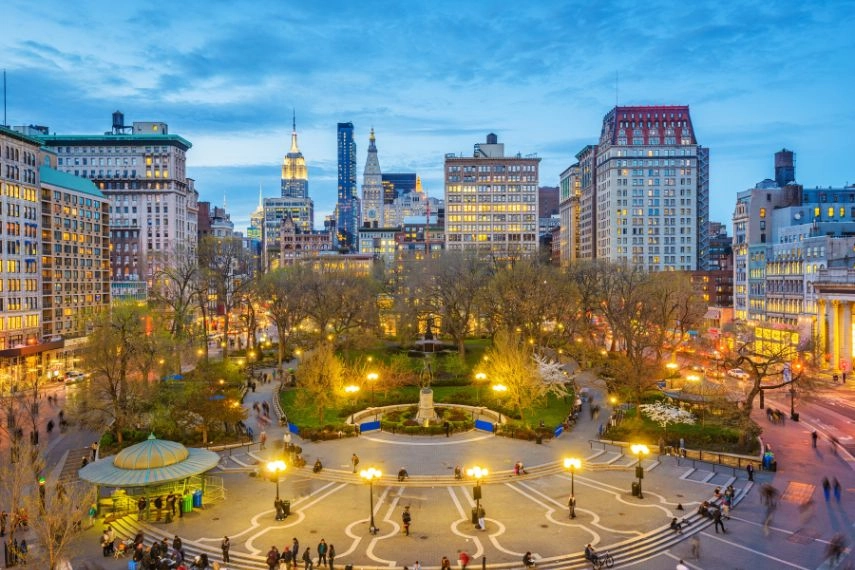
Spring is widely considered the best time to visit New York because the city sheds its winter layer for a vibrant, energetic atmosphere. Between March and May, the weather is good for urban exploration, offering mild temperatures that make long walks across the Brooklyn Bridge or through the High Line a joy rather than a chore. You will visit the city’s dramatic natural awakening as cherry blossoms, tulips, and magnolias paint the parks in brilliant colours, all while locals reclaim the streets for outdoor dining and rooftop gatherings.
Top Reasons to Visit in Spring:
- Perfect Walking Weather: Expect daily highs ranging from 7°C to 20°C (45°F to 68°F), providing crisp mornings and sunny, comfortable afternoons.
- The City in Bloom: Witness peak cherry blossoms in the Central Park and the Brooklyn Botanic Garden (usually late April), alongside the iconic Macy’s Flower Show.
- Outdoor Culture Returns: Sidewalk cafes, rooftop bars, and boat rentals at the Loeb Boathouse officially reopen for the season.
- Iconic Seasonal Events: Enjoy the St. Patrick’s Day Parade, the Easter Bonnet Parade, and the Tribeca Festival in early June.
- Manageable Crowds: While popular, spring is significantly less congested and more affordable than the peak summer and holiday seasons.
- Staten Island Ferry: Spring offers the best conditions to enjoy the free ferry ride past the Statue of Liberty without the biting winter wind or sweltering summer humidity.
Temperature: 7°C to 20°C
UK Traveller Tip: Pack versatile layers that can handle everything from a sudden rain shower to a warm afternoon in the sun. Make sure to bring a stylish waterproof jacket and your most comfortable walking shoes as you will be clocking up plenty of miles on the city pavements.
Summer in New York (June – August)
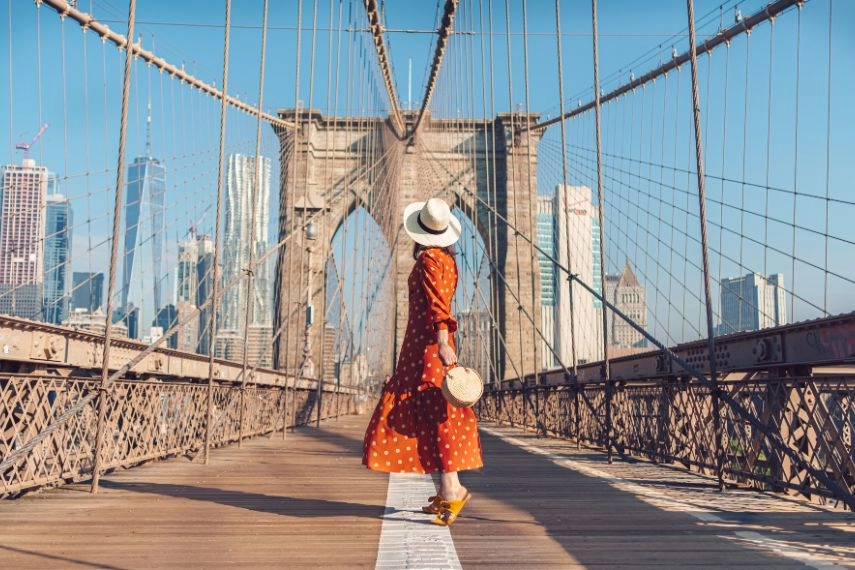
Summer in New York is an electric, sun-drenched experience defined by outdoor living and iconic city energy. From June to August, temperatures average 25°C to 30°C (77°F–86°F), creating the perfect climate for rooftop bars, free outdoor movies in Bryant Park, and kayaking on the Hudson.
Top Reasons to Visit in Summer:
- Urban Beaches & Pools: Take a quick subway ride to Coney Island or the Rockaways, or dive into the city’s many free public swimming pools.
- Vibrant Events: Experience the Pride March, the Museum Mile Festival, and the legendary Mermaid Parade at Coney Island.
- Free Entertainment: Enjoy “Broadway in Bryant Park,” SummerStage concerts, and the spectacular Macy’s Fourth of July Fireworks.
- Food & Markets: Wander through Smorgasburg for global eats or visit the Queens Night Market for a unique after-dark culinary adventure.
- Active Exploration: Take advantage of Summer Streets (pedestrianized Park Avenue), sunrise runs in Central Park, or sunset picnics at Pebble Beach.
Temperature: 25°C to 30°C (77°F–86°F)
UK Traveller Tip: To stay cool during a humid New York summer, stick to breathable fabrics and simplify your travel by using OMNY for the subway. Be sure to book major attractions in advance to beat the crowds, and remember to include an 18 to 20% tip on your meal budget.
Autumn in New York (September – November)
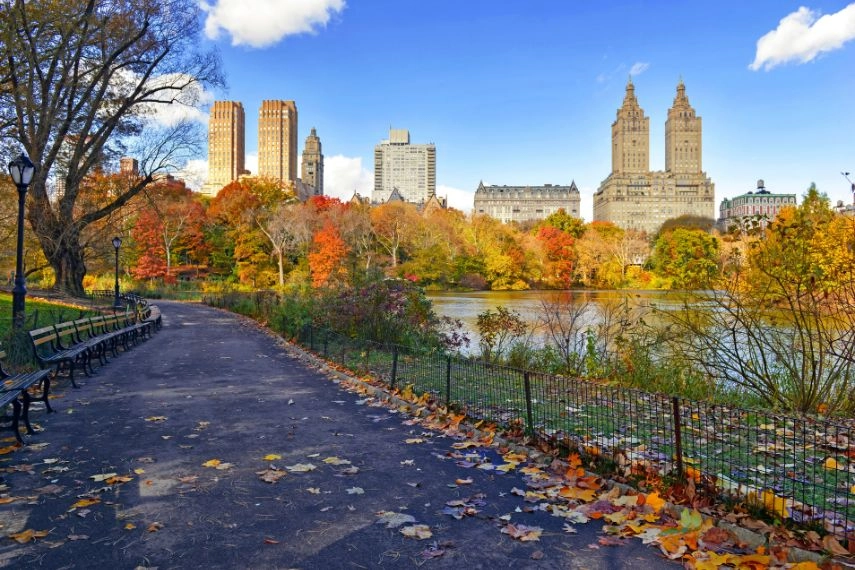
Autumn in New York is legendary, offering a “second spring” where the city trades summer humidity for crisp air and vibrant colours. Visiting between September and November means enjoying temperatures from 5°C to 24°C (41°F–75°F), perfect for “sweater weather” and showing off your best fall fashion. From Oktoberfest beers to spooky ghost tours, New York in the fall is a sensory masterpiece that truly lives up to the Hollywood hype.
Top Reasons to Visit in Autumn:
- Stunning Foliage: Witness a gold and crimson explosion in Central Park or Prospect Park, peaking in the first two weeks of November.
- Iconic Holidays: Experience the world-famous Village Halloween Parade and the Macy’s Thanksgiving Day Parade without the pressure of gift-giving.
- Outdoor Comfort: The “nasal vandal” of summer garbage smells disappears, replaced by the scent of roasted nuts and pumpkin spice everything.
- Cosy Vibes: It’s the perfect time for hot toddies by a bar fireplace, apple picking in nearby orchards, or “cuffing season” dates at outdoor film screenings.
- Active Fun: With fewer mosquitoes and cooler breezes, it is the best time for a sunset run along the Hudson or a bike ride across the bridges.
Temperature: 5°C to 24°C (41°F–75°F),
UK Traveller Tip: Autumn in New York is all about versatile layers, so pack a mix of light sweaters and a sturdy jacket to handle the shift from crisp afternoons to chilly evenings. Don’t forget your most reliable walking shoes and a compact umbrella.
Winter in New York (December – February)

Winter in New York is a cinematic experience that transforms the city into a festive, snowy wonderland. While December dazzles with the Rockefeller Center Tree, holiday windows on Fifth Avenue, and Bryant Park’s Winter Village, January and February offer the best value with the lowest hotel prices and thinned-out crowds at icons like the Empire State Building. With temperatures averaging -3°C to 7°C (27°F–45°F), just pack layers and a good pair of boots to enjoy the Big Apple at its most romantic and affordable.
Top Reasons to Visit in Winter:
- Budget Wins: Take advantage of NYC Restaurant Week, Broadway Week (2-for-1 tickets), and Must-See Week for deep discounts on dining and attractions.
- Winter Magic: Go ice skating at Wollman Rink, explore a snow-covered Central Park, or cozy up in a “rooftop igloo” with skyline views.
- Indoor Culture: Escape the chill in world-class museums like The Met or the American Museum of Natural History, which are much quieter this time of year.
- Seasonal Events: Don’t miss the Lunar New Year Parade in Chinatown or catch a Rangers hockey game at Madison Square Garden.
Temperature: -3°C to 7°C (27°F–45°F)
UK Traveller Tip: Carry a warm puffer coat and waterproof boots that can handle the icy slush found at every street corner. If you are planning a festive December trip, make sure to book your flights and hotels months in advance to avoid the hefty holiday price hikes.
A Month-By-Month Guide To Visiting New York
New York in January
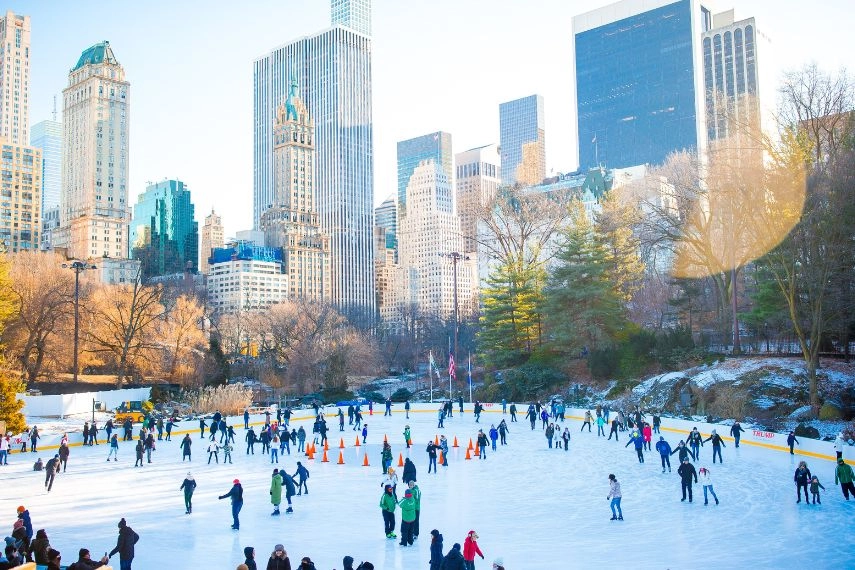
In January, New York offers a serene version of the city. While it is the coldest month, it is also the most budget-friendly. You can enjoy Broadway Week (2-for-1 tickets) and Restaurant Week deals with notably fewer crowds at major landmarks like The Met or the Empire State Building. The atmosphere is intimate and cinematic, especially during frequent snowfall that transform Central Park into a peaceful winter postcard.
Weather in New York in January: You can expect a true winter chill with average temperatures between -3°C and 4°C (27°F–39°F). Blustery winds can make it feel much colder, so insulated boots and thermal layers are essential.
Why Go?
- Deep discounts on flights and luxury hotels.
- Shorter wait times for museums and observation decks.
- The season of post-holiday sales with massive clearance deals at Fifth Avenue retailers.
- Iconic rinks like Rockefeller Center are less congested.
New York in February
New York in February offers a romantic, cinematic experience with the lowest travel costs of the year. While chilly, the city remains lively with New York Fashion Week, Chinese New Year in Chinatown, and the electric Super Bowl LXI (championship football game) atmosphere in local sports bars. You can enjoy a cinematic Valentine’s Day with dinner cruises or Broadway shows just minus the usual crowds. It is the best time for cuffing season dates, indoor museum hopping at the Metropolitan Museum of Art, and massive President’s Day sales.
Weather in New York in February: February is cold and crisp, with temperatures ranging from -2°C to 6°C (28°F–43°F). You can expect biting winds and a high possibility of picturesque snow. Packing thermal layers and windbreakers is important.
Why Go?
- It is the cheapest month for flights and high-end hotels.
- Short queues for the Empire State Building and Statue of Liberty.
- Enjoy the Frost Fest in Bryant Park and Winter Jam in Central Park.
New York in March

Visiting New York in March feels like watching the city wake up. It is “shoulder season” month where icy winds begin to soften into the first hints of spring. You will see a mix of locals in heavy coats and early cherry blossoms budding in Central Park. As it is a transitional time, you get the best of both worlds: lower hotel rates and shorter lines at the Empire State Building, balanced by high-energy events like the massive St. Patrick’s Day parade.
Weather in New York in March: The weather remains unpredictable. Temperatures usually range from 2°C to 12°C (36°F–54°F). You might experience a crisp, sunny morning followed by a chilly rain shower, averaging 90–144mm (3.5–5.7 inches) of precipitation over 8–12 days. It is important to pack waterproof layers, a warm jacket, and comfortable boots to handle the occasional slush or puddles.
Why Go?
- Experience some of the year’s lowest airfares and hotel prices before the April surge.
- Visit top-tier museums like the Met or MoMA without the stifling summer crowds.
- Experience the world’s oldest St. Patrick’s Day Parade and the colourful Macy’s Flower Show.
New York in April
New York in April is neither too hot nor too cold, and completely lively. As the city sheds its winter coat, Central Park transforms into a botanical paradise with cherry blossoms and tulips. You will enjoy a lively atmosphere as outdoor dining and rooftop bars officially reopen. With the spring break rush over and summer tourists yet to arrive, it is the ultimate shoulder season for shorter lines and authentic local vibes.
Weather in New York in April: The weather is mild and pleasant, with daytime temperatures ranging from 7°C to 18°C (45°F–65°F). However, April showers are a reality. You can expect around 91–139mm (3.6–5.5 inches) of rain spread over 11 to 15 days. These are often short-lived bursts than constant downpours, so carrying an umbrella and wearing waterproof layers will keep your exploration on track.
Why Go?
- Catch the Sakura Matsuri (Cherry Blossom Festival) in Brooklyn and the Macy’s Flower Show.
- Witness the eccentric Easter Bonnet Parade on Fifth Avenue or celebrate Earth Day in Union Square.
- Experience the electric energy of a Yankees opening game or the reopening of the renovated Frick Collection.
New York in May

Visiting New York in May is like seeing the city in high definition. The landscape erupts with colour as Central Park and the Brooklyn Botanic Garden reach peak bloom with azaleas and tulips. This is the best month for outdoor living as rooftop bars reopen, and the Ninth Avenue Food Festival fills the street with global flavours. With longer daylight hours and contagious energy, it is the best time to explore diverse neighbourhoods before the intense summer humidity and peak tourist crowds arrive.
Weather in New York in May: May offers near-perfect temperatures, usually ranging from 12°C to 22°C (54°F–72°F). However, it is one of the city’s wetter months. You can expect moderate to high rainfall averaging 94–102mm (3.7–4 inches) spread over 10–12 days. The rain is often unpredictable, so packing a light, waterproof jacket and an umbrella is important for a smooth trip.
Why Go?
- You can watch the iconic sunset Manhattanhenge (28-29 May), where the sun aligns perfectly with the city grid.
- Experience unique festivals, such as Fleet Week, the TD Five Boro Bike Tour, and the return of outdoor Smorgasburg markets.
- You can enjoy the Statue of Liberty and The High Line with gentle breezes rather than winter chills.
New York in June
Visiting New York in June is an electric experience as the city officially kicks off summer. It is a vibrant month filled with NYC Pride, the quirky Mermaid Parade, and the Museum Mile Festival, where iconic institutions offer free entry. You will enjoy long daylight hours perfect for rowing on Central Park Lake or walking the High Line. While the buzz is high, it remains more comfortable than the sweltering humidity of late July.
Weather in New York in June: June weather is warm and sunny, with temperatures typically between 18°C and 26°C (64°F–79°F). Rainfall is moderate, averaging 90–100mm (3.5–4 inches) over 7 to 13 days. Showers are usually short-lived and sporadic, often followed by clear skies, making it easy to stick to your outdoor sightseeing plans.
Why Go?
- Outdoor Events: Catch free Shakespeare in the Park and Philharmonic concerts.
- Music & Food: Dance at the Governors Ball or grab a bite at the Big Apple BBQ.
- Skyline Vibes: The perfect time for rooftop bars and sunset cruises without the winter chill.
New York in July
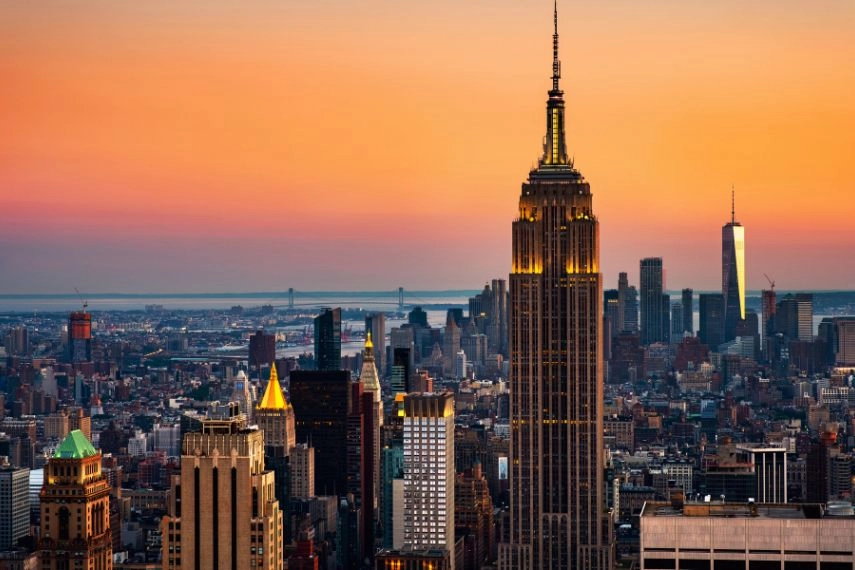
Visiting New York in July is an explosion of energy and summer heat. The city feels alive with the iconic Macy’s Fourth of July Fireworks, free SummerStage concerts, and outdoor movies in Bryant Park. While humid, it’s the best time to enjoy the city’s “outdoor living” at Smorgasburg food markets, public pools, and the Manhattanhenge sunset. From the high-speed Beast Speedboat to rooftop bars, July offers a quintessential, high-octane American summer experience.
Weather in New York in July: July is the hottest month, with temperatures typically ranging from 21°C to 29°C (70°F–85°F), often feeling much hotter due to high humidity. Rainfall is significant, averaging 90–100mm (3.5–4 inches). You can expect about 10 rainy days, usually manifesting as short, intense afternoon thunderstorms.
Why Go?
- Major Festivals: Catch the JAPAN Fes, MoMA PS1 Warm Up parties, and the Lincoln Center Summer for the City.
- Sports & Beaches: Watch the Yankees in the Bronx or head to Coney Island for vintage boardwalk vibes and the beach.
- Free Culture: Enjoy Shakespeare in the Park and outdoor theater across all five boroughs.
New York in August
Visiting New York in August feels like a high-energy “last hurrah” of summer. The city is buzzing with the US Open Tennis Championships, the vibrant Harlem Week festival, and NYC Summer Streets, where miles of roadway open exclusively to pedestrians. While the humidity is high, the atmosphere is electric with rooftop dining, whale watching in Brooklyn, and free performances like the Battery Dance Festival. It is the perfect month for those who love a fast-paced, festive urban adventure.
Weather in New York in August: August is hot and humid, with temperatures typically ranging from 19°C to 28°C (66°F–82°F). Afternoon thunderstorms are common, with the city averaging 76–102mm (3–4 inches) of rainfall over 9 to 12 days. These brief, intense showers usually clear quickly, offering a temporary break from the heat. Packing lightweight cotton clothing, sunscreen, and a compact umbrella is essential for a comfortable trip.
Why Go?
- Major Sporting Events: Experience world-class tennis at the US Open in Queens.
- Cultural Festivals: Enjoy the vintage Jazz Age Lawn Party on Governors Island and the historic Harlem Week celebrations.
- Dining Deals: Snag fixed-price gourmet meals during the final weeks of NYC Restaurant Week.
New York in September
Winter in New York is a cinematic experience that transforms the city into a festive, snowy wonderland. While December dazzles with the Rockefeller Center Tree, holiday windows on Fifth Avenue, and Bryant Park’s Winter Village, January and February offer the best value with the lowest hotel prices and thinned-out crowds at icons like the Empire State Building.
Weather in New York in September: September weather is near-perfection, with pleasant temperatures ranging from 15°C to 23°C (59°F–73°F). It is one of the city’s drier months, averaging 86–102mm (3.4–4 inches) of rainfall over 6 to 10 days. Precipitation usually arrives as light, fleeting showers rather than heavy storms, ensuring your walks through Greenwich Village or Soho remain largely uninterrupted.
Why Go?
- Major Events: Experience the prestige of the US Open and the creative buzz of Fashion Week.
- Cultural Festivals: Enjoy the Brooklyn Book Festival and the viral Cj Hendry Flower Market.
- Ideal Sightseeing: Walk the High Line or bike Central Park without the summer swelter.
New York in October
Visiting New York in October is a magical experience as the city transitions into a photogenic autumn wonderland. You’ll witness spectacular fall foliage in Central Park and the High Line, alongside world-famous events like the Village Halloween Parade, New York Comic Con, and the Wine & Food Festival. With pleasant “sweater weather,” manageable crowds, and the return of NBA and NHL seasons, it is the perfect balance of outdoor exploration and vibrant cultural activity.
Weather in New York in October: Expect crisp, pleasant conditions with daytime highs of 15°C–21°C (60°F–70°F) and cool evenings around 10°C (50°F). Rain is moderate, averaging 3–4 inches over 7 to 10 days, so carry a compact umbrella. It is highly unlikely to snow, making layers the perfect packing strategy.
Why Go?
- Stunning Foliage: Peak autumn colours transform Central Park and the Brooklyn Botanic Garden.
- Iconic Events: Experience the massive Halloween Parade and New York Film Festival.
- Outdoor Comfort: Ideal for walking the Brooklyn Bridge without summer heat or winter chills.
New York in November

Visiting New York in November is a magical experience that blends peak autumn beauty with the early holiday spirit. You’ll witness the city’s grandest traditions, including the Macy’s Thanksgiving Day Parade, the NYC Marathon, and the opening of festive holiday markets. With Central Park’s foliage reaching its vibrant finale and iconic ice rinks at Rockefeller Center welcoming skaters, it offers a “best of both worlds” atmosphere before the intense December crowds arrive.
Weather in New York in November: You can expect a brisk transition to winter with temperatures ranging from 5°C to 12°C (41°F–54°F). November sees moderate rainfall, averaging 76–102mm (3–4 inches) over 6 to 12 days. Precipitation often arrives as light drizzles or chilly showers, so packing a warm wool coat, scarves, and an umbrella is essential for staying cozy while exploring Manhattan.
Why Go?
- Holiday Kickoff: Catch the Radio City Rockettes and early Fifth Avenue window displays.
- Autumn Beauty: Mid-November is ideal for “leaf-peeping” and crisp, scenic walks.
- Black Friday: Take advantage of massive retail sales and seasonal dining treats.
New York in December
New York in December will allow you to witness the breathtaking Rockefeller Center Christmas Tree, dazzling Fifth Avenue window displays, and festive holiday markets at Bryant Park and Union Square. The atmosphere is electric with “movie-set” vibes, featuring the Radio City Christmas Spectacular, ice skating under the skyscrapers, and the legendary New Year’s Eve Ball Drop in Times Square.
Weather in New York in December: The weather is cold and brisk, with temperatures typically ranging from 0°C to 7°C (32°F–45°F). While snow is common and creates a picturesque backdrop, the “wind tunnel” effect between skyscrapers can make it feel much chillier. Packing heavy layers, thermal wear, waterproof boots, and tech-friendly gloves is essential for a comfortable holiday adventure.
Why Go?
- Holiday Magic: Experience world-famous decorations, Dyker Heights lights, and festive Broadway shows.
- Seasonal Shopping: Explore unique European-style holiday markets and luxury flagship sales.
- Iconic Traditions: Watch The Nutcracker at Lincoln Center or take a snowy carriage ride through Central Park.