
Sustainable travel has become a new trend for exploring some of the most beautiful destinations in the world. From the world’s only carbon-negative travel in Bhutan to the silent, solar-powered safaris of Tanzania, the best ecotourism destinations are choosing wild experiences over weary crowds. Whether you are acting as a kaitaki (guardian) in New Zealand or supporting community-led rewilding in Costa Rica, these sustainable travel destinations prove that ethical management keeps the buzz of adventure alive. Let’s learn about the most eco-friendly travel destinations in 2026.
The Best Eco-Friendly Destinations for 2026
1. New Zealand
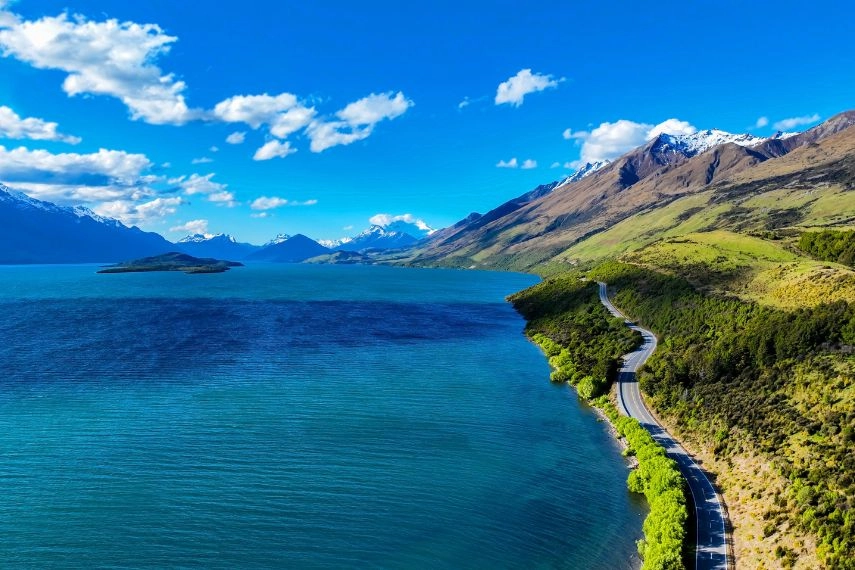
In 2026, New Zealand is bearing the torch for the world in regenerative tourism. Instead of just “leaving no trace,” the country is encouraging its tourists to be kaitiaki (guardians), leaving every place better than they found it. Tourists can participate in forest restoration, predator-control programs, and beach clean-ups. The country is on a mission to reach net-zero emissions by 2050 by bringing electric ferries, jet boats, and high-tech public transport into greater use. Towns like Glenorchy and Queenstown are home to world-leading eco-lodges like Kinloch Wilderness Retreat and Headwaters. These properties make the use of solar microgrids to generate more energy than they consume and send the extra clean energy back to the grid.
Eco highlights: New Zealand is promoting regenerative tourism through eco-lodges, tree planting, and predator control programmes. New visitor fees to natural attractions fund local conservation, restoring landscapes.
Activity: Low-carbon adventures include kayaking, cycling, and walking. The country manages trail bookings to limit crowds and protect fragile ecosystems.
2. Tanzania
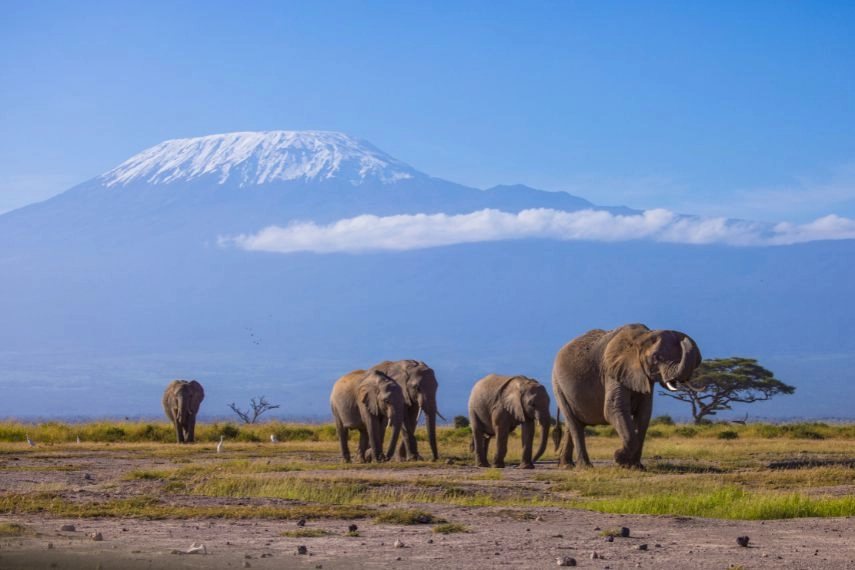
In 2026, Tanzania is a sustainable destination. The country is enforcing strict bans on single-use plastics and has swapped diesel generators for solar-powered lodges. Revenue flows directly into community schools and water projects, making locals true guardians of the wildlife. Whether you are eating farm-to-table food via local community gardens or staying at certified eco-lodges, you are helping to protect important marine life and thousands of honeybee colonies. Your trip to Tanzania supports low-impact, electric game drives that protect the Serengeti’s soul. Booking a tour package through a travel company like Luxtripper can make your contribution in planting trees as the company has partnered with Treeapp. So, your booking with Luxtripper luxury escape repairs the planet.
Eco-Highlights: Tanzania protects nature using permaculture gardens and bee fences to keep elephants away from farms. You can eat local foods to cut pollution and support native bees and forests to grow strong.
Activity: You can go chimp trekking in Mahale, snorkel over eco-friendly reefs, or take electric safaris. These activities have a low-impact on the environment and directly fund local schools and community-led wildlife conservation projects.
3. Bhutan

In 2026, Bhutan remains the only carbon-negative destination in the world. The country absorbs more Carbon dioxide (CO2) than it emits because its constitutional law mandates that 60% of its land stays forested forever. However, this isn’t just about the trees; it is a living philosophy rooted in Gross National Happiness. A new 5% GST covers hotels, guides, and transport, adding to government revenue from tourism. It helps the country to fund conservation, while the rest of the initiative is balanced by the government’s reduced Sustainable Development Fee (SDF) of $100 per night (down from $200) until August 2027. Also, a new sanctuary called the Gelephu Mindfulness City has been built for wellness and green living. With 99% of electricity coming from hydropower and more electric taxis on the road, your trip directly supports this country that puts the planet first.
Eco highlights: Bhutan’s constitution mandates the protection of 60% forest cover, helping Bhutan stay carbon-negative. The $100 SDF funds healthcare and environment conservation. New solar plants boost Bhutan’s 99% renewable grid.
Activity: You can trek to the famous Tiger’s Nest or visit the new Gelephu Mindfulness City. Using electric vehicles for tours allows to keep the mountain air clean and protects the environment.
4. Costa Rica
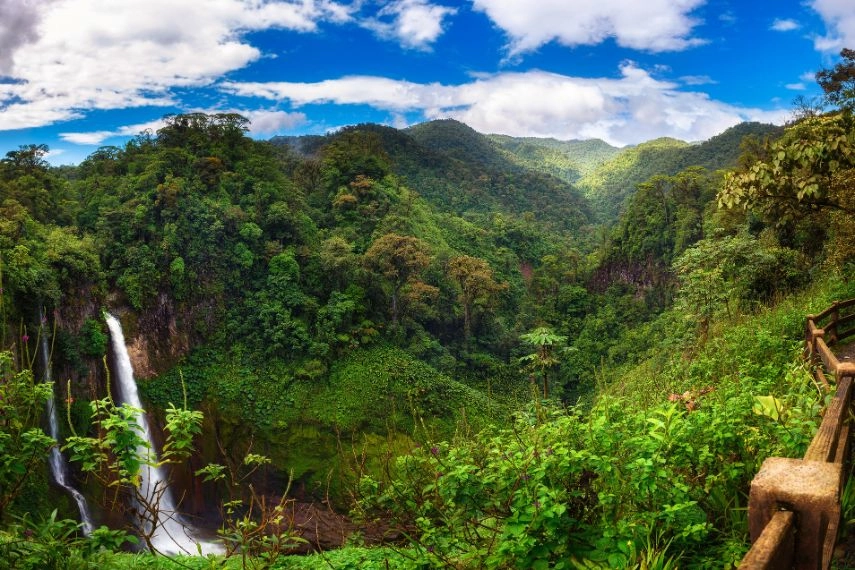
In 2026, Costa Rica has transformed from being just a scenic escape to a global classroom, where tourists learn to be active stewards of the earth. While most people know that the country has 6% of the world’s biodiversity and 99% renewable energy, the real story today is about community-led travel. This means that your travel is designed and managed by locals, ensuring your money stays in their hands to support their families and protect their own land. Through the 30×30 Initiative, the country aims to protect at least 30% of the Earth’s land and 30% of its oceans by the year 2030.
Eco highlights: 99% of the electricity comes from clean sources like wind and volcanoes. You can pick CST-certified (Sustainable Tourism) hotels to ensure that your money stays in the community, protecting the Pura Vida lifestyle and the land for the future.
Activity: You can join a social quest to help baby sea turtles reach the ocean or volunteer for forest restoration. These low-impact adventures can turn your holiday into a way to give back to the planet.
5. Japan

In 2026, Japan is taking big steps to protect its beauty from “over-tourism.” Starting on 1 July 2026, the country is tripling its international departure tax to ¥3,000, which is approximately £13.95. This money goes directly towards managing crowds at famous spots and protecting quiet rural areas. The country is even making it easier than ever for tourists to travel without a trace. The new laws have improved how plastic bottles and containers are recycled, so hotels are way less wasteful. Even the famous hot springs (Onsen) now use their natural heat to provide clean energy for local lodges.
Eco-Highlights: Starting July 2026, a ¥3,000 (£14) departure tax funds nature protection. New plastic laws are in place to make sure that the hotel amenities are properly recycled, while hot springs use geothermal heat to power eco-lodges.
Activity: You can explore rural satoyama villages by low-carbon bullet trains. These immersive experiences let you meet local craftsmen and farmers to support local communities while enjoying Japan’s pristine, protected landscapes.
6. Oregon Coast, USA

In 2026, the Oregon Coast is making waves as the People’s Coast. It is the only state shoreline that is free and public, but the real 2026 story is the Recycling Modernization Act, which has launched a statewide network of depots to reduce plastic waste. From EV-ready highways to the 1.25% for Wildlife lodging tax, your stay directly funds salmon recovery and new “wildlife crossings” over major roads.
Eco-Highlights: The 2026 Recycling Modernization Act slashes plastic waste. A modest lodging tax now directly funds recovery for 300 at-risk species and protects underwater kelp forests.
Activity: You can explore the Oregon Coast Trail or join a “Social Quest” to restore pollinator habitats. Whale-watching without disturbing marine species and farm-to-table dining are the low-impact and regenerative adventures for you to experience.
7. Sardinia, Italy
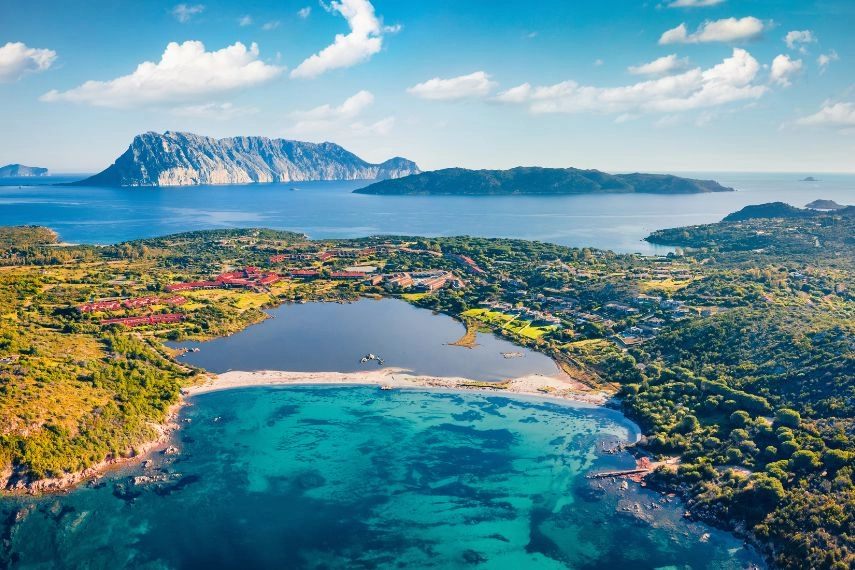
In 2026, Sardinia is investing €38 million (approximately £33.06 million) to turn 15 quiet villages into eco-friendly destinations. The goal is to protect the island’s local culture and reduce crowding on beaches by encouraging tourists to explore smaller towns and support the local people who live there. The ferry is known as the island’s green gateway, and using it is the first step towards a more sustainable future. By arriving by ferry and visiting year-round, you help keep small towns like Bosa and Posada alive. These villages swear by “Orange Flag” standards to make sure they stay eco-friendly, using clean energy and recycling. Whether you are staying in an old stone farmhouse or hiking a mountain trail, your trip helps the planet and the local economy.
Eco-Highlights: Sardinia is investing £33 million fund to help 15 villages stay green. Arriving by ferry is better for the earth than flying and helps keep the island’s air clean.
Activity: You can hike in the Tepilòra Biosphere or learn to make local crafts. Use electric shuttles to visit small villages, helping the environment and supporting local families.
8. Argentina

In 2026, Argentina is on a mission to restore its wild heart. The country is not just working to preserve what’s left but also making a massive effort to bring the ecosystem back to life. The new Patagonia Azul provincial park protects 3 million hectares of marine life, offering solar-powered eco-camps and “wild swims” in kelp forests. In the north in Iberá Wetlands and El Impenetrable, the people who once used to cut down trees for timber have now become the forest’s professional protectors and tour guides. They are now protecting jaguars and giant anteaters. Whether you are enjoying seaweed-based meals in Camarones or exploring Buenos Aires’ 250 green spaces, your visit directly funds the recovery of 300 at-risk species. It is a chance to see a country actively healing its own landscape.
Eco-Highlights: The Patagonia Azul and Iberá projects lead the world in restoring biodiversity. New 2026 rules now mandate solar energy and zero-plastic policies for all park lodges.
Activity: Snorkel in Patagonia’s kelp forests or kayak the Bermejito River with local guides. You can also join a Social Quest in the Gran Chaco Forest to help experts track wild jaguars, support traditional weavers, and revive the El Impenetrable ecosystem.
9. Kenya

Kenya is the “Green Heart” of Africa in 2026. Through the new Tourism Sector Master Plan, every lodge must prove its impact with real data. You will explore the Mara in silent electric 4x4s and stay in solar-powered camps designed to withstand extreme weather. There is a strict ban on single-use plastics in all parks and gold-rated eco-lodges like Tawi. From the world-famous Sheldrick elephant rescue to community-owned conservancies that fund local schools, your trip protects both the “Big Five” and the people who live alongside them.
Eco-Highlights: Kenya’s 2026 laws require all parks to be plastic-free and all lodges to use renewable energy. Gold-rated certifications ensure your money actually reaches local communities.
Activity: You can join an electric safari to see the Great Migration. Support Sheldrick’s elephant orphans to help restore Kenya’s iconic wildlife population.
10. The Azores, Portugal
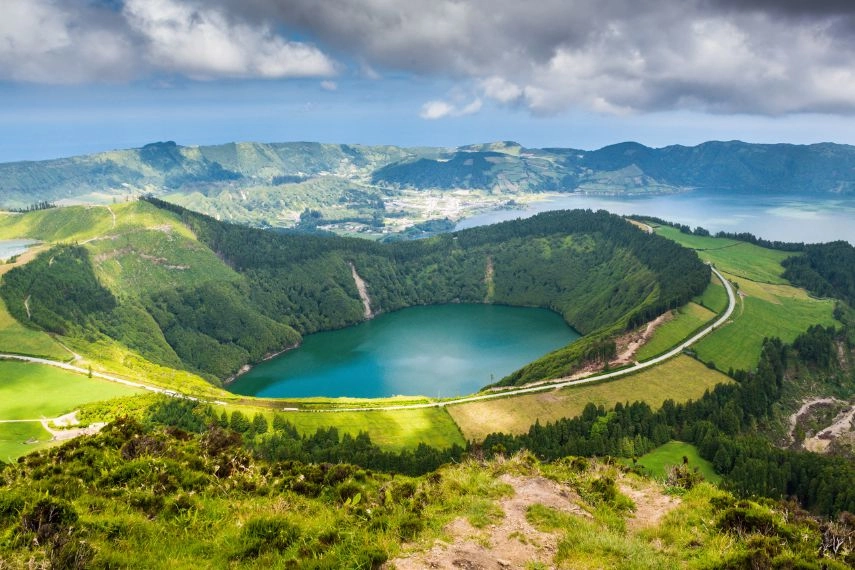
In 2026, The Azores in Portugal is serving as a world-leader in eco-travel. It is the first group of islands to be officially certified as a “Sustainable Destination,” meaning it follows strict environmental rules. 92% of the land on these islands is preserved, while only 5% is urbanised. A large portion of power is generated from geothermal sources, while the islands have also implemented new battery storage and microgrid systems. The goal is to push renewable energy usage towards 60% in the medium term. The Azores don’t promote mass tourism; their focus is on high-value, low volume strategy. They promote low-impact adventures like whale watching and hiking, and spend tourism money on restoring the land while protecting its unique volcanic heritage.
Eco-Highlights: The Azores are the first group of islands to be certified for sustainability. 92% of its land is protected nature, and most of the islands’ power comes from clean, natural sources like wind and solar power.
Activity: You can go whale watching with experts who protect the animals, hike on trails cared for by locals, or eat a traditional meal cooked in the ground using natural volcanic steam.
11. Galápagos Islands, Ecuador
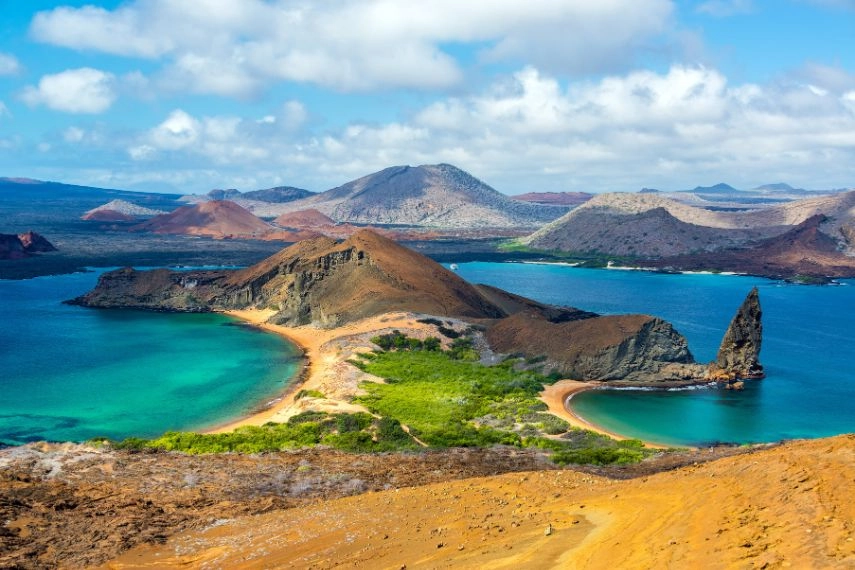
In 2026, The Galápagos Islands are promoting “high-value, low-volume” tourism. The entry fee has been increased to $200 (approx. £149), with 100% of the funds going directly to environmental conservation and local community projects. The islands are very exclusive as only 3% of its land is open to visitors. Also, they have maintained very strict rules for tourists like staying on marked paths and keeping a safe distance from animals like giant tortoises and marine iguanas. The islands also won the Regenerative Conservation of the Year 2025. The island has a solar-powered airport, running entirely on renewable energy and built from recycled materials to minimise your initial travel footprint. Every visitor is accompanied by a park-certified guide, helping them follow the 2-metre rule to stay away from animals and use only reef-safe, biodegradable sunscreens.
Eco-Highlights: The Galápagos leads with a solar-powered airport and award-winning restoration. Higher entry fees directly fund the removal of invasive species to repair this fragile sanctuary.
Activity: You can experience the islands through non-motorised activities like kayaking alongside penguins or snorkelling with sea turtles, all while following strict carry-in, carry-out waste rules.