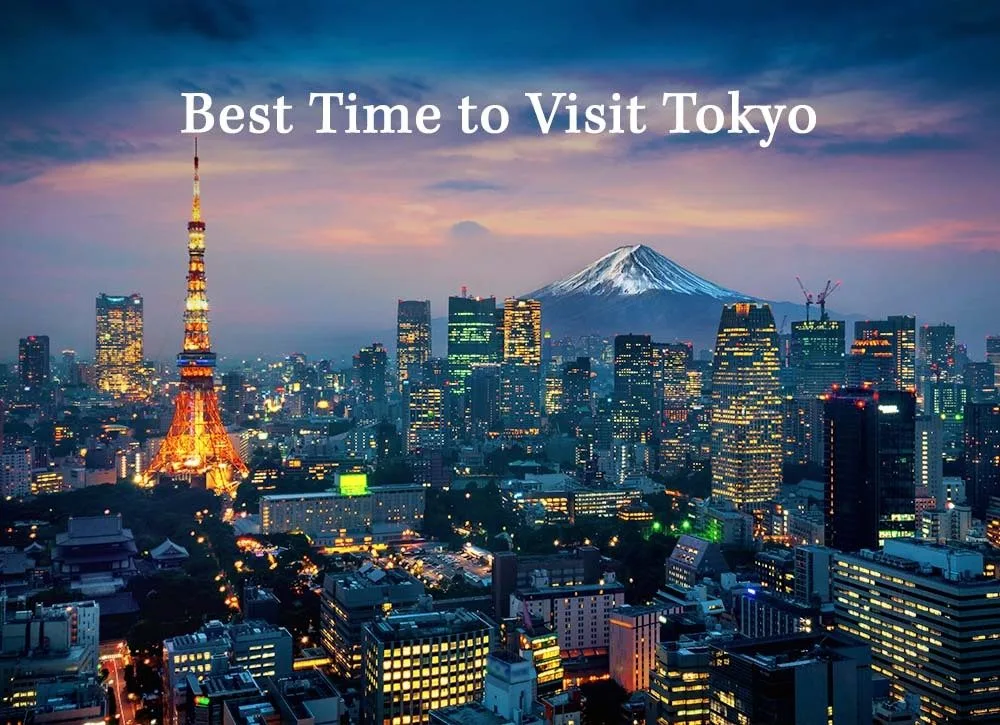
If you are short on time, and just want the answer:
Travel Goal | Best Time to Visit Tokyo |
Overall Experiences | Spring (March to May) Autumn (September to November) |
Cherry Blossoms | Late March to Early April |
Cheapest Months + Fewer Tourists | Mid-January to Early March |
Outdoor Activities | Spring (March-May) and Autumn (September-November) |
When Should You Visit Tokyo?
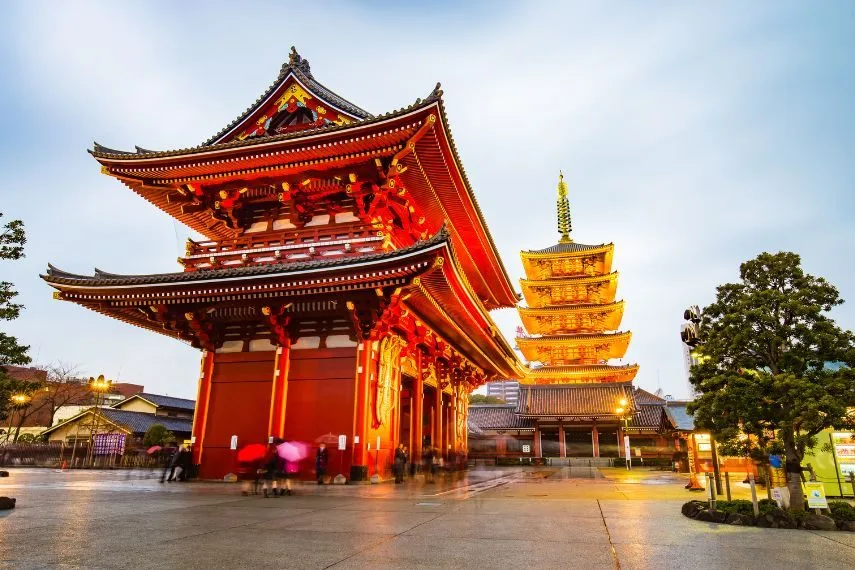
Looking for the best time to visit the capital city of Japan, Tokyo? Let us tell you, considering factors such as weather, cherry blossoms, budget, level of crowds and more – Spring (March to May) and Autumn (September to November) fit every category perfectly. If you are wondering, here’s why – Spring offers flourishing cherry blossoms, pleasant temperatures (though with high crowd levels). Autumn delivers cool and comfortable weather, and colourful leaves. Tokyo can, however, be visited year round as the weather is temperate and manageable, with a range of attractions and activities that remain constant regardless of the season.
In this guide, we’ll break it all down – from the cheapest months to visit, to the best time for cherry blossoms, family holidays, and even a detailed month-by-month overview, so you can decide what works best for your trip.
Best Time of the Year to Visit Tokyo
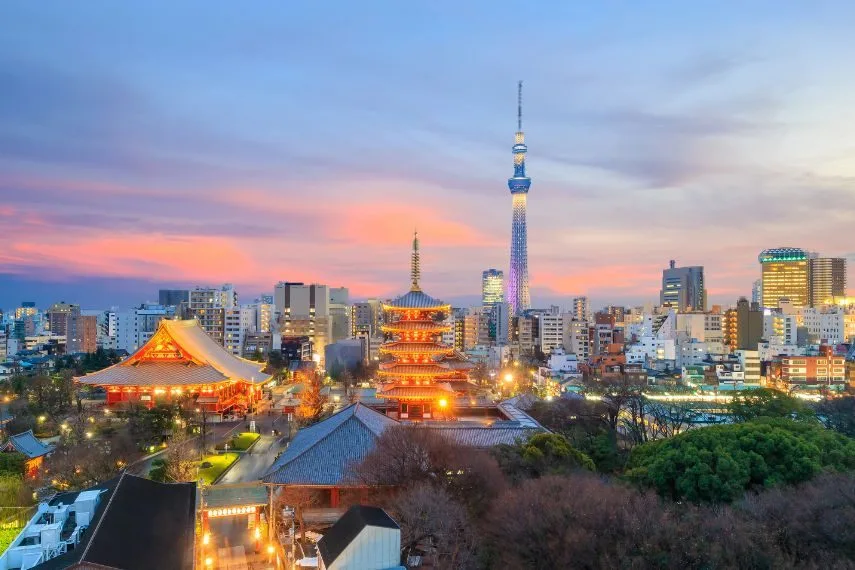
The best time to travel to Tokyo depends entirely on your personal interest and choices. The optimal timing for someone who prefers to go solo, minimise crowd, maximise sightseeing, and have a budget-friendly holiday, differs from a family travelling during school holidays, major events and festivals are prioritised around that time. Let’s break down the best times as per your unique travel style.
- Cheapest Time to Visit Tokyo: The most budget-friendly time to visit Tokyo is mid-January to early March. February, in particular, offers better value, as the crowds decrease after the New Year Festivities, making exploring Tokyo more enjoyable while remaining easy on your wallet. But, in case you are unable to plan your trip around this time, you can visit between early-June to mid-July, fewer crowds, which often means better prices, because it’s the rainy season and also the weather is hot and humid.
- Best Time to Visit Tokyo for Cherry Blossoms: Late March to early April is widely considered the best time to visit Tokyo for cherry blossom season. This is when the city’s sakura trees reach full bloom, although exact dates can vary slightly each year depending on weather conditions. During this, windows, parks, riversides, and even residential streets are lined with soft pink and white blossoms. Popular spots like Ueno Park and Shinjuku Gyoen National Garden become especially lively, with locals and visitors gathering for hanami (flower-viewing picnics). What makes this time special isn’t just the visual appeal, but the atmosphere. If you’re planning a trip, it’s worth keeping your dates flexible and tracking bloom forecasts, as peak bloom can be brief.
- Best Time to Visit Tokyo for Disneyland: The best time to visit Tokyo Disney Resort – home to Tokyo Disneyland and Tokyo DisneySea is during the shoulder season of Mid-May or early December to ensure that you can explore in pleasant weather coupled with manageable crowds. If you are visiting in 2026, Tokyo DisneySea is a must. The park officially kicks off its 25th Anniversary ‘Sparkling Jubilee’ on April 15, 2026, featuring a brand-new harbor show, ‘Jubilee Blue’ decorations, and limited-edition merchandise through March 2027. To ensure that you are able to make the most out of your visit to Tokyo Disney Resort, avoid the time when the park reaches its maximum capacity like during the Golden Week. Planning your visit from Tuesdays to Thursdays, enables you to explore at its best while avoiding the long queues.
- Best Time to Visit Tokyo with Kids: For families visiting Tokyo from the UK, the best time depends on school holidays. The Easter break (late March to April) is ideal, with mild weather and cherry blossoms in full bloom. The October half-term is another great option, offering cooler temperatures and fewer crowds. Summer holidays (late July to early September) are the most convenient for longer trips, though Tokyo can be hot and humid during this time. For a quieter, short getaway, the May half-term works well (it should be planned after the Golden Week). Overall, spring and autumn offer the best balance, while summer is the most practical choice for families.
- Best Time to Visit Tokyo for Snow: If you are looking to experience snowfall in Tokyo, plan your visit between mid-January to mid-February, typically the coldest part of winter. While the snow in Tokyo is occasional rather than guaranteed, this is when light snowfall is most likely, often transforming the city’s parks and temples into a quieter, more scenic setting. For a more reliable snow experience, you can explore nearby areas like Hakone or Kawaguchiko, where snowfall is more consistent and landscapes are more dramatic. This period offers the best chance to enjoy a winter atmosphere in and around Tokyo without peak tourist crowds.
Best Season to Visit Tokyo
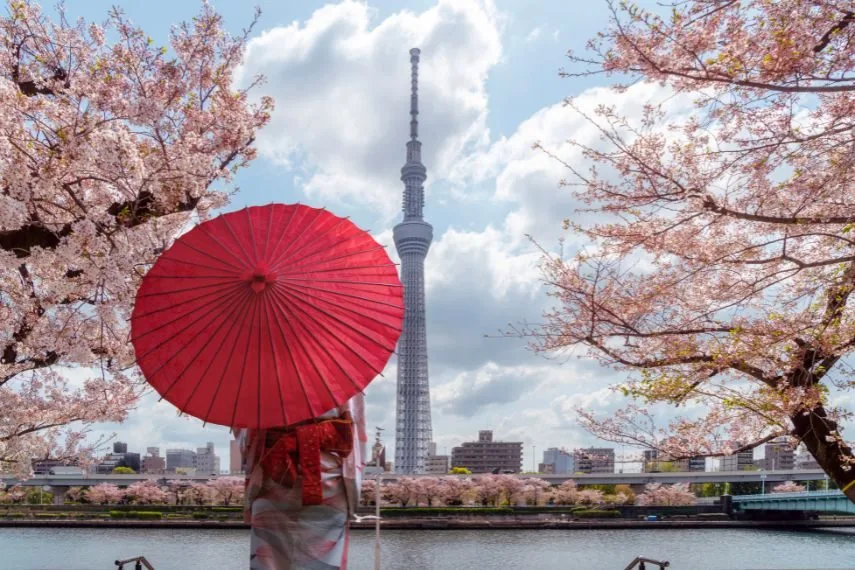
When planning your visit to Tokyo, understanding the seasons makes all the difference. Each one offers a distinct experience, so the “best time” really depends on what you want from your visit.
Spring (March – May)
Temperature: Around 9°C to 22°C, with mild days and slightly cool evenings.
Why visit: This is when Tokyo is at its most iconic – cherry blossoms take over the city, and there’s a festive, almost celebratory atmosphere everywhere.
What to expect: Parks and riversides filled with locals doing hanami (flower viewing), occasional light rain, and busy tourist spots during peak bloom.
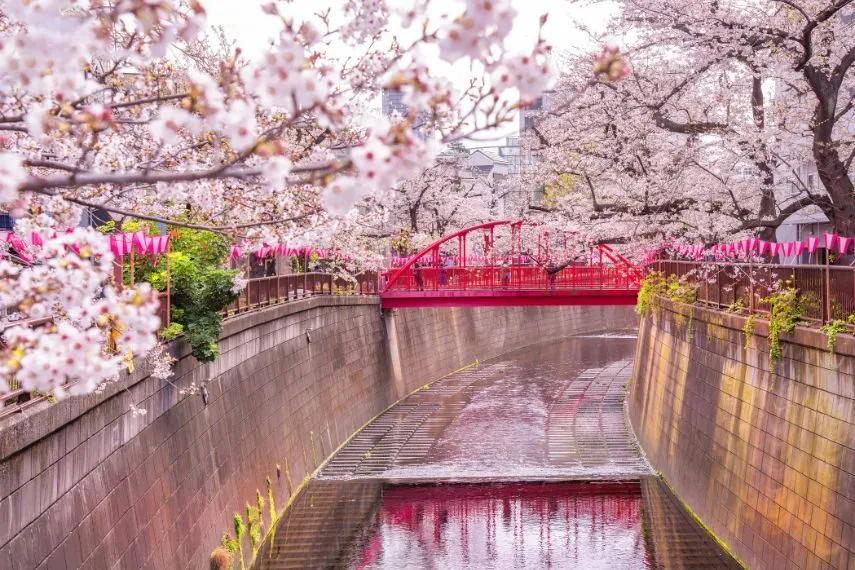
Good for: Viewing cherry blossoms at Ueno Park, Shinjuku Gyoen, and along the Meguro River, picnicking under sakura trees, strolling through Asakusa and Senso-ji Temple in pleasant weather, and taking day trips to nearby spots like Kamakura.
Summer (June – August)
Temperature: Typically 18°C to 35°C, with high humidity; June also brings the rainy season.
Why visit: Despite the heat, summer in Tokyo is lively, colourful, and full of cultural energy.
What to expect: Humid days, sudden showers in June, and vibrant festivals throughout July and August.
Good for: Watching fireworks at events like the Sumida River Fireworks Festival, attending traditional festivals (matsuri) in areas like Asakusa, exploring indoor attractions like teamLab Planets, shopping in Shibuya and Harajuku, and enjoying evening street food and nightlife in Shinjuku.
Autumn (September – November)
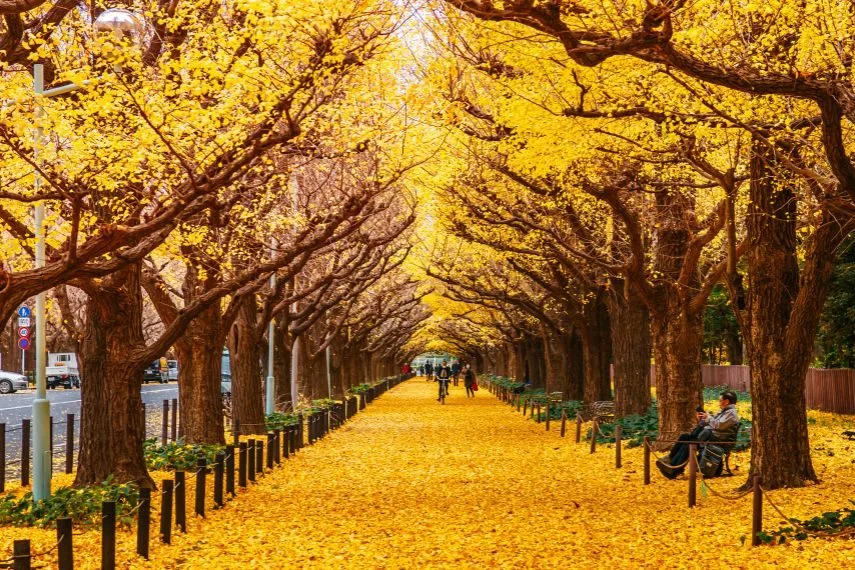
Temperature: Comfortable, ranges between 12°C to 26°C. While September is warm, late November evenings can drop significantly.
Why visit: Arguably the most balanced season, offering clear skies, cooler air, and beautiful autumn foliage without the extreme humidity of summer.
What to expect: Gradual change in leaf colours, especially from late October onward, and a calmer, more relaxed vibe across the city. Expect occasional heavy rain and wind in September, as it marks the peak typhoon season. This usually gives way to the dry, sunny weather of October and November.
Good for: Viewing fall colours at Meiji Jingu Gaien (ginkgo avenue) and Rikugien Garden, walking around Imperial Palace East Gardens, exploring neighborhoods like Daikanyama, and enjoying seasonal food events and local festivals.
Winter (December – February)
Temperature: Around 2°C to 12°C, generally cold but not extreme; snow is rare.
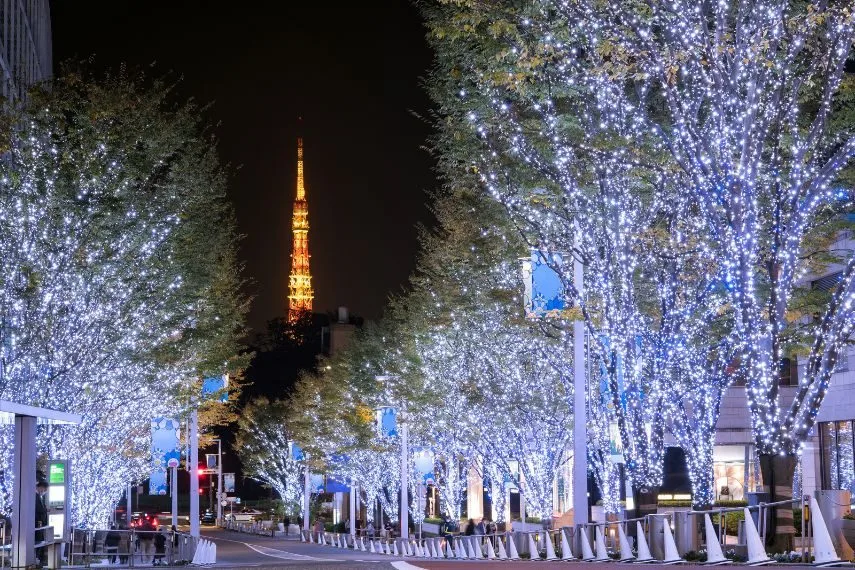
Why visit: Tokyo feels quieter and more local, with clear skies and beautiful winter illuminations.
What to expect: Crisp, sunny days, festive decorations, and fewer crowds at major attractions. Avoid Senso-ji Temple and Meiji Jingu from January 1st–3rd for Hatsumode (New Year prayers), as millions of locals visit, causing long queues.
Good for: Seeing winter illuminations in Roppongi Hills and Tokyo Midtown, visiting landmarks like Tokyo Tower and Senso-ji Temple without long queues, shopping in areas like Ginza, and taking day trips to nearby hot spring towns (onsen) like Hakone.
A Month-by-Month Guide to Visiting Tokyo
Tokyo in January
Temperature: Around 1°C to 10°C; cold, with crisp mornings and cool afternoons
What it feels like: Dry, sunny, and surprisingly comfortable if you layer properly
Overall Vibe: Early January is festive/crowded (New Year); mid-to-late January is quieter and more local.
Why Visit: Experience Tokyo’s cultural side, especially traditional New Year customs, and a less touristy city later in the month.
Highlights: Hatsumode at Senso-ji, winter illuminations (Roppongi Hills, Tokyo Midtown), New Year sales (fukubukuro), and clear-sky views from Tokyo Skytree.
Events & Festivals: Japanese New Year (Shogatsu), Coming of Age Day (second Monday of January), Sumo New Year Tournament ( Jan 11-25, 2026) at Ryogoku Kokugikan
Things to Keep in Mind: Many closures from late December to early January. Early January is busy/expensive; crowds drop significantly afterward.
Tokyo in February
Temperature: Around 2°C to 11°C; still wintery but gradually warming from January.
What it feels like: Dry, sunny days are common; snow is rare but possible. The air is cool and comfortable for walking if you wear layers.
Overall Vibe: Off-peak, meaning fewer crowds, better hotel deals, and easier exploration of tourist spots. Great for cultural immersion and early blooms.
Why visit: Great month for cultural experiences, early seasonal blooms, and winter-themed attractions.
Highlights: Ume (Plum) blossom viewing at Kameido Tenjin Shrine and Yushima Tenjin, Clear winter views from Tokyo Tower/Skytree,Indoor attractions in Odaiba like teamLab Borderless, Enjoying winter foods like oden and nabe.
Events & Festivals: Setsubun (early Feb) traditional bean-throwing festivals at temples like Zojoji or Senso-ji
Keep in mind: Days are short (sunset around 5:15 PM)
Tokyo in March
Temperature: Around 6°C to 15°C; the weather gradually warms, with mild days and cool evenings.
What it feels like: Spring begins to emerge, air is crisp, skies are generally clear, and the city starts feeling lively after winter.
Overall Vibe: March is a transition month; early March is quiet and ideal for sightseeing. Mid-to-late March sees increasing crowds as cherry blossom season begins.
Why Visit: Enjoy early sakura blooms and comfortable weather for outdoor exploration.
Highlights: Hanami (cherry blossom viewing) at Ueno, Chidorigafuchi, and Sumida Park (mid-March onward). It is also the perfect time to explore Asakusa and Yanaka or take a scenic stroll along the Meguro River. Visit indoor spots like the Tokyo National Museum or teamLab Planets on cooler days.
Events & Festivals: Early cherry blossom festivals begin mid-to-late March (food stalls, evening illuminations), Tokyo Marathon (scheduled for March 1) for sports enthusiasts or spectators, Seasonal local markets pop up with spring produce and sweets.
Keep in mind: Cherry blossom timing is variable, requiring flexible planning. Visit popular parks early in the morning for photography or peace, as crowds increase toward late March.
Tokyo in April
Temperature: Around 11°C to 19°C; days become pleasantly warm while evenings remain slightly cool.
What it feels like: April is when spring truly takes over Tokyo. The chill of winter fades, replaced by gentle sunshine, soft breezes, and bursts of colour across the city.
Overall Vibe: Early April is peak cherry blossom time, leading to large crowds. By mid-to-late April, the falling blossoms create beautiful “sakura snow.”
Why visit: Iconic Tokyo experience with full blossoms, festive energy, and ideal sightseeing weather. Perfect for first-time visitors seeking a photogenic, culturally vibrant city.
Things to do: Cherry blossom viewing (hanami) at spots like Ueno Park and Meguro River; enjoy classic picnicking under the trees; comfortably explore areas like Harajuku and Ginza; take a Sumida River cruise; visit traditional gardens.
Events & Festivals: Early April cherry blossom festivals with food stalls and evening illuminations (yozakura). Late April marks the start of Golden Week (April 29- May 5, 2026), meaning increased crowds and higher domestic travel.
Keep in mind: Expect large crowds and higher accommodation prices during peak bloom and Golden Week. Cherry blossoms only last about a week, so timing is crucial.
Tokyo in May
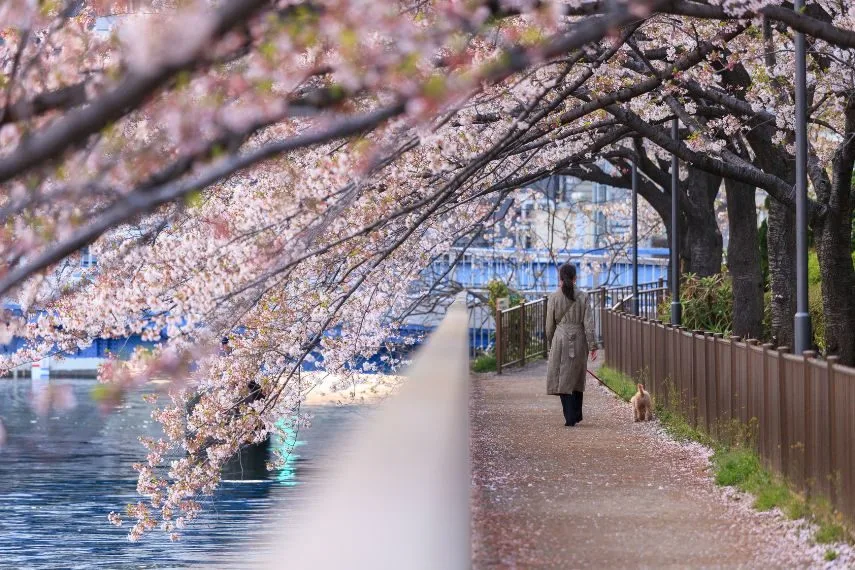
Temperature: Around 16°C to 23°C; warm and comfortable with plenty of sunny days and low humidity.
What it feels like: Late spring at its best. The weather feels pleasantly warm without being too hot, and the air is fresh and inviting.
Overall Vibe: Early May is busy due to Golden Week (expect crowds/higher prices). Mid-to-late May is quieter and ideal for sightseeing.
Why Visit: Excellent weather makes it one of the best months for sightseeing, especially after Golden Week. Parks are lush with fresh greenery.
Highlights: Explore green parks (Ueno Park, Shinjuku Gyoen), walk/cycle around areas such as Daikanyama/Harajuku, take day trips (Hakone, Nikko), and visit gardens (Rikugien).
Events & Festivals: Golden Week (early May)
Keep in mind: Golden Week is Japan’s busiest travel period. Expect occasional showers late in the month.
Tokyo in June
Temperature: Around 20°C to 27°C; warm with increasing humidity as the month progresses.
What it feels like: Early summer begins, but June is mainly defined by the rainy season. The air feels heavy and humid, with frequent light to moderate rainfall.
Overall vibe: June offers a quieter Tokyo experience compared to the busy spring, with fewer crowds and a more local atmosphere. Despite the rain, the city holds a unique charm with its lush greenery and reflective streets.
Why visit: Lower crowds and accommodation prices appeal to budget travellers, offering a relaxed side of Tokyo despite the rain.
Highlights: Focus on indoor attractions (museums, aquariums, teamLab Planets) and indoor shopping (Shinjuku, Shibuya, Ginza). Enjoy vibrant greenery at gardens like Shinjuku Gyoen or Koishikawa Korakuen, and experience hydrangea (ajisai) blooms.
Events & Festivals: Sanno Masturi (mid-June), Bunkyo Hydrangea Festival (early to mid-June) and smaller local cultural events continue.
Keep in mind: Expect frequent rain during the rainy season; carry an umbrella. Humidity makes it feel warmer. Be flexible with outdoor plans. Pack light, breathable clothing and waterproof footwear.
Tokyo in July
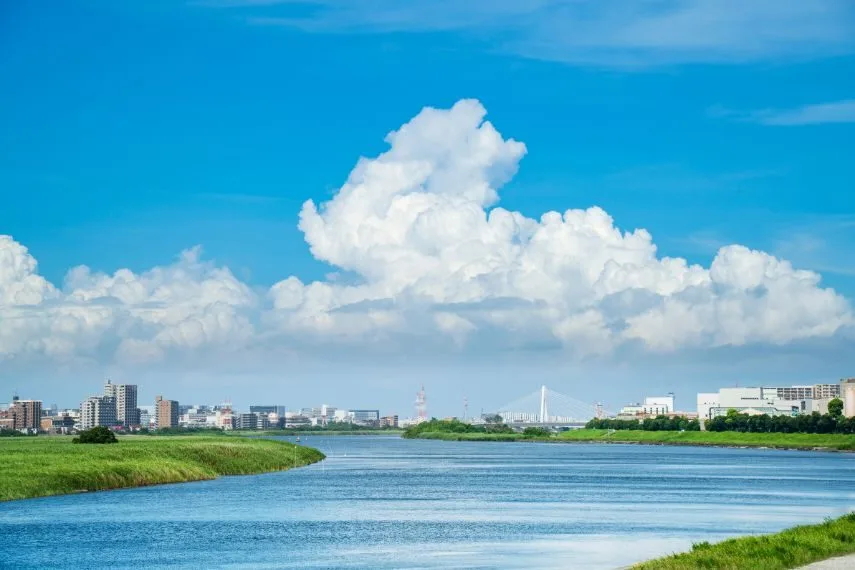
Temperature: Around 24°C to 31°C; hot and increasingly humid, especially toward the end of the month.
What it feels like: Summer fully sets in. Early July still sees some lingering rainy days, but as the month progresses, the skies clear and the heat becomes intense. The air feels heavy and sticky, with high humidity making it feel hotter than the actual temperature.
Overall vibe: July marks the start of Tokyo’s vibrant summer season. The city becomes energetic and festive, with fireworks, seasonal events, and people out enjoying warm evenings. While daytime sightseeing can feel exhausting due to the heat, nights are lively and full of activity.
Why visit: This is a great time to experience Tokyo’s summer culture—festivals, fireworks, and buzzing nightlife. If you enjoy a lively atmosphere and don’t mind the heat, July offers a completely different side of the city.
Highlights: Attend summer festivals (matsuri) and fireworks (like Sumida River’s). Explore cool indoor spots (malls, museums). Enjoy evening markets when cooler. Take short trips to beaches or mountains for relief.
Events & Festivals: Mount Fuji climbing season officially opens in early July, Sumida River Fireworks Festival (late July), Tanabata (Star Festival) in early July
Things to keep in mind: Intense heat and humidity require essential hydration and light clothing. Carry sunscreen/hat/portable fan. Sudden rain/thunderstorms are possible, especially early in the month.
Tokyo in August
Temperature: Around 26°C to 32°C; very hot and humid, often the peak of summer heat.
What it feels like: August in Tokyo feels intense. The heat is strong, the humidity is high, and even short walks outdoors can feel exhausting. The air is heavy and warm both day and night, with limited relief from the heat even after sunset.
Overall Vibe: Despite the exhausting heat, the city is energetic and festive. August is rich with summer traditions, fireworks, and cultural events. Business districts may slow down during the Obon holiday.
Why Visit: For peak summer culture, especially evening fireworks and traditional dances.
Highlights: Attend hanabi (fireworks) festivals and Obon/Bon Odori dances. Escape the heat indoors at malls/museums. Enjoy cooler evenings with night markets and rooftop dining. Take day trips to nearby mountains or coasts.
Events: Obon Festival (Aug 13-16) with dances, multiple fireworks festivals, and summer matsuri (festivals).
Keep in Mind: Extreme heat requires careful planning, hydration, and air-conditioned breaks. Light, breathable clothing is essential. Expect potential business hour changes during Obon. Late-month typhoons are possible.
Tokyo in September
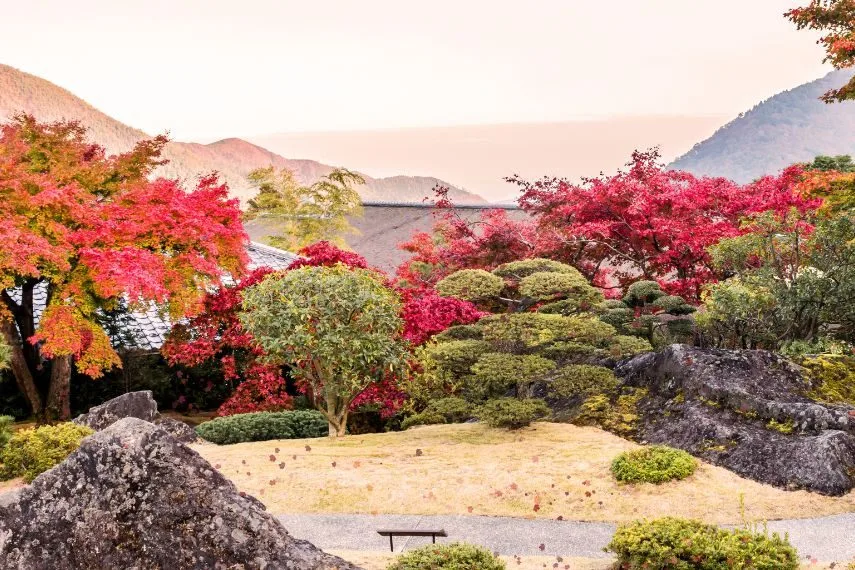
Temperature: Around 22°C to 28°C; still warm, but gradually cooling as the month progresses. While part of the typhoon season, which brings the potential for heavy rainfall, this period offers the benefit of fewer crowds compared to the summer months.
What it feels like: Early September is humid and warm, feeling sticky. Later in the month, the air becomes cooler and fresher, especially in the mornings and evenings, signaling autumn’s arrival.
Overall vibe: A transition period. The summer energy fades, replaced by a calmer atmosphere. Tourist crowds are lighter, but weather can be unpredictable.
Why visit: Fewer crowds and slightly lower costs. Late September offers comfortable weather for sightseeing without the peak rush.
Highlights: Visit indoor spots (museums, shopping) to escape the humidity or sudden typhoon rains. Take relaxed evening walks in neighborhoods like Shibuya and Asakusa. Enjoy lush parks/gardens and local food spots with shorter queues. Plan short day trips.
Events & Festivals: Grand Sumo Treatment in Tokyo ( September 13-27), Silver Week ( around 19-23)
Things to keep in mind: September is typhoon season, so heavy rain and wind can disrupt plans. Humidity is still noticeable early on. Maintain a flexible itinerary and carry rain gear. Late September weather is generally more pleasant.
Tokyo in October
Temperature: Around 15°C to 22°C; comfortably cool with mild days and crisp evenings.
What it feels like: Autumn sets in. Low humidity, fresh air, and pleasantly cool weather. Mostly clear skies make it excellent for being outdoors.
Overall vibe: Relaxed yet vibrant. Summer crowds are gone, making the city easy to explore. Subtle seasonal shift with early hints of autumn colours.
Why visit: Ideal weather for comfortable sightseeing, walking, and enjoying outdoor attractions without temperature extremes.
Highlights: Walk through Shibuya, Asakusa, and Daikanyama. Visit parks (Shinjuku Gyoen, Yoyogi Park) for early autumn colours. Explore outdoor markets and cafés. Enjoy river walks or day trips for early autumn scenery.
Events & Festivals: More autumn festivals and cultural events begin. Food festivals highlight seasonal flavours. Lively Halloween celebrations toward the end of the month. Tokyo International Film Festival is planned for late October.
Keep in Mind: Early October may still see minor rain from the late typhoon season. A light jacket is useful for evenings. It’s a popular month, so attractions may be moderately busy. Peak autumn foliage is not yet reached but starts appearing late in the month.
Tokyo in November
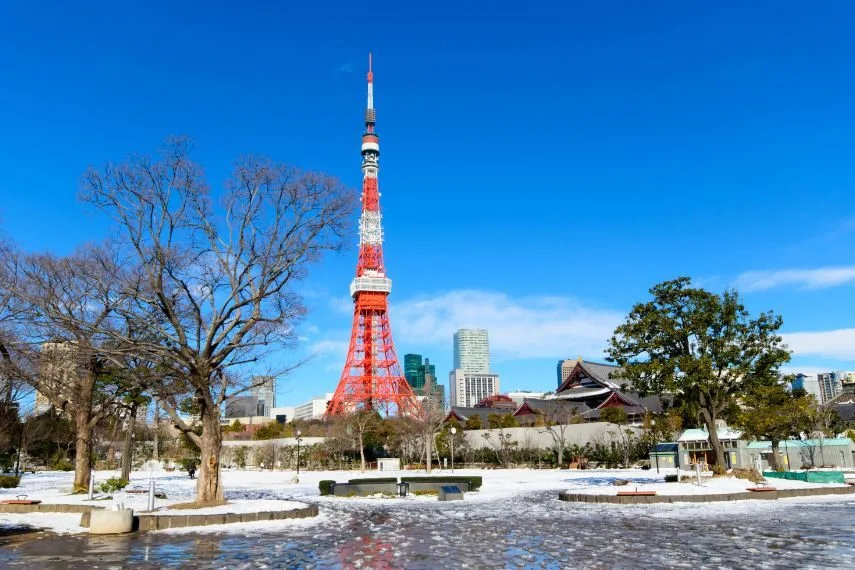
Temperature: Around 9°C to 17°C; cool and crisp, with chilly mornings and evenings.
What it feels like: Autumn is in full swing. The air feels fresh and dry, with clear skies and a noticeable drop in temperature. It’s comfortably cool during the day, while evenings can feel quite brisk, especially toward the end of the month.
Overall Vibe: November is one of the most scenic and relaxed months in Tokyo. The city is painted in shades of red, orange, and yellow as autumn foliage reaches its peak. Parks, gardens, and streets feel calm yet lively, attracting visitors who come to enjoy the seasonal beauty.
Why Visit: Best time for autumn leaves and sightseeing. Perfect weather for photography and outdoor exploration, without the major cherry blossom crowds.
Highlights: Foliage viewing (Shinjuku Gyoen, Rikugien, Ueno Park) followed by walking through areas like Asakusa and Ginza, enjoying seasonal foods/drinks, and day trips for scenery.
Events & Festivals: Tori-no-Ichi (Rooster Market) at Otori Shrine. Autumn illumination events begin. Cultural and food festivals featuring seasonal specialties.
Keep in Mind: Layering is essential due to noticeable temperature drops, especially evenings. Popular time, so some spots are busy. Great for photography, but daylight hours are shorter. Check peak foliage timing in advance.
Tokyo in December
Temperature: Around 3°C to 12°C; cold but generally dry, with crisp mornings and chilly evenings.
What it feels like: Winter fully sets in. The air is fresh and clear, and while daytime temperatures are cool, evenings can feel quite cold. Sunshine is common, but the city takes on a quieter, serene winter atmosphere.
Overall Vibe: December has a festive and cozy vibe. The city lights up with holiday decorations, illuminations, and seasonal events, giving Tokyo a cheerful, magical energy. Crowds are moderate, except near popular shopping and holiday spots.
Why Visit: Excellent time for winter illuminations, festive markets, and culture. Crisp, clear weather is great for sightseeing and photography without summer humidity or spring crowds.
Highlights: See illuminations (Roppongi Hills, Shibuya, Tokyo Midtown). Visit festive markets. Explore temples/shrines comfortably. Enjoy walks in the clear, cold air. Try seasonal warm treats.
Events & Festivals: From December 29th to January 3rd, many museums, small shops, and even some restaurants close for the New Year holiday. Traditional Japanese winter activities (temple visits). Year-end shopping (Ginza, Shibuya).
Keep in Mind: It is essential to layer and wear warm clothes due to cold temperatures and wind. Rain is rare. Popular illumination spots get crowded in the evening; visit early. Shorter daylight hours require planning.
Why Choose Luxtripper for Your Tokyo Holiday?
The best time to visit Tokyo depends on your priorities: March to April for cherry blossoms, May for mild spring weather, October to November for autumn foliage, and December for festive illuminations. Each season offers unique experiences, from vibrant festivals to serene gardens. Choosing Luxtripper ensures a seamless, luxurious holiday tailored to your preferences. With expert planning, curated itineraries, and insider access to Tokyo’s top attractions, Luxtripper makes your trip stress-free and unforgettable. Whether it’s seasonal sightseeing, cultural immersion, or culinary exploration, we turn every moment of your Japan holidays into a premium, personalized experience, maximising both comfort and exploration.