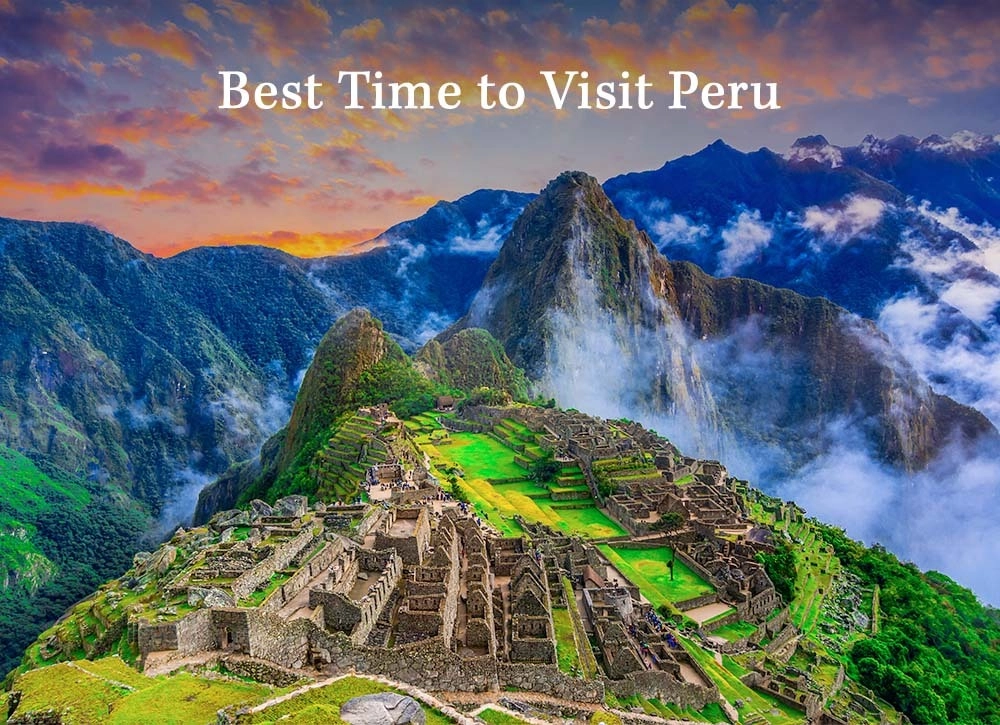
Peru’s “best time to visit” isn’t one answer; it depends on which Peru you mean. The Andes and the coast run on opposite weather clocks; while Cusco and Machu Picchu enjoy bone-dry, clear skies from May to September, that same window brings winter fog to Lima. Flip the calendar to December-March, and the coast turns sunny and warm just as the highlands turn wet and green. Here’s how the months break down by region, budget, and crowd level.
Peru Weather by Region
Region | Best Months to Visit | What to Expect |
Machu Picchu & Cusco | May–September | Sunny days, clear mountain views and ideal trekking conditions, although nights can be very cold. |
Sacred Valley | April–October | Pleasant temperatures, green landscapes and excellent sightseeing weather. |
Amazon Rainforest | May–October | Lower river levels, better wildlife spotting and easier jungle walks. |
Lima & the Pacific Coast | December–March | Warm temperatures, sunshine and ideal beach conditions. |
Lake Titicaca | May–September | Dry weather, crisp air and clear views across the lake. |
Arequipa & Colca Canyon | April–November | Mild temperatures, sunny days and excellent hiking opportunities. |
Northern Beaches (Máncora) | December–April | Hot, sunny weather is perfect for swimming, surfing and relaxing by the coast. |
Best Time to Visit Peru: Trekking, Wildlife & Beach Seasons
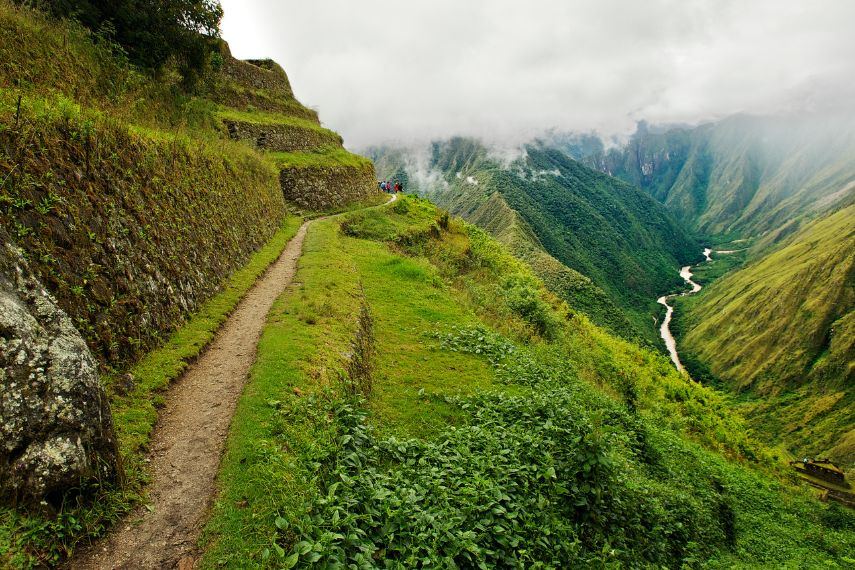
The best time for your trip to Peru really depends on the kind of adventure you are looking for, whether it is sunny mountain hikes, lush green landscapes, or warm days at the beach.
Best Time for Trekking the Inca Trail (May–September)
This is the ideal time for hiking the Inca Trail or Rainbow Mountain. You will enjoy clear blue skies and sunny days, with average daytime temperatures around 18–20°C. However, nights are freezing, often dropping to 0°C. June to August is the busiest and most expensive period.
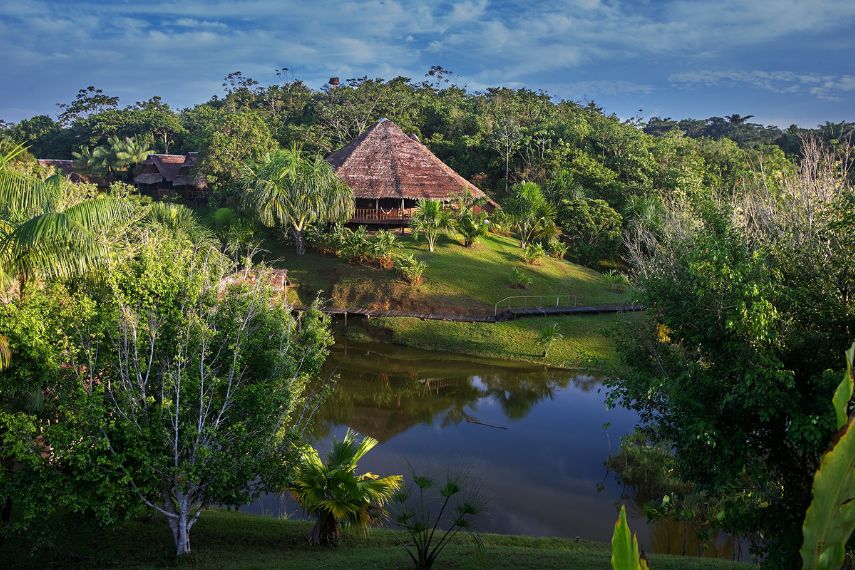
Best Time to Visit the Amazon Rainforest (May–October)
For wildlife fans, it is the best season because the rivers are lower and animals like jaguars, pink dolphins, and macaws collect around shrinking water sources, making them easier to spot. If you want to explore deep into the jungle by boat, visit between December and March when the rivers rise. The weather remains hot and humid with highs near 31°C.
Best Time for Peru’s Beaches: Lima & Máncora (December–March)
If you love the beach, visit Lima or Máncora during the Peruvian summer. The coast stays warm and sunny, with temperatures around 26°C (79°F). It is a lovely time to go surfing, take a swim, and enjoy fresh seafood at relaxed seaside restaurants.
Cheapest time to visit Peru
You must plan your trip between November and February for the cheapest time to visit Peru. This is the wettest season in the Andes and Amazon, which means fewer tourists and much lower prices on flights, hotels, and tours. While it is the low season, it is secretly a photographer’s dream as the landscapes turn a stunning, lush green and iconic sites like Machu Picchu are quiet and peaceful without the usual crowds. It is the perfect time for budget-savvy travellers to explore Peru’s beauty in a more authentic, local way.
Most Expensive Time to Visit Peru
The most expensive times to visit Peru in 2026 are the peak dry season (June–August) and the December holiday weeks. During these windows, high demand for sunny Andean weather causes flights, hotels, and tours to spike significantly. Big events like Easter’s Semana Santa that falls in late March or early April can also increase travel prices. To manage these expenses, you can follow these tips:
- Only 500 permits are issued per day for the classic Inca Trail, and that number includes guides and porters, so spots vanish fast in peak season. If June-August is your window, aim to book six to nine months ahead, and push that closer to a year out if your travel dates are fixed and the Inca Trail specifically is non-negotiable for you.
- Book a package: Look for all-inclusive deals that include flights, hotels, and tours to save money.
- Travel in shoulder months: May or September give you good weather and lower prices.
Peru Travel Costs by Month: A Quick Comparison
Month | Crowd Level | Relative Cost |
January | Moderate | Mid-range |
February | Low | Lowest |
March | Low-Moderate | Low |
April | Moderate | Mid-range (spikes over Easter) |
May | Moderate-High | Mid-High |
June–August | High | Highest |
September | Moderate | Mid-range |
October | Moderate | Mid-range |
November | Low | Low |
December | Moderate-High | Mid-High (spikes over Christmas) |
Best time to Visit Peru by Travel Style
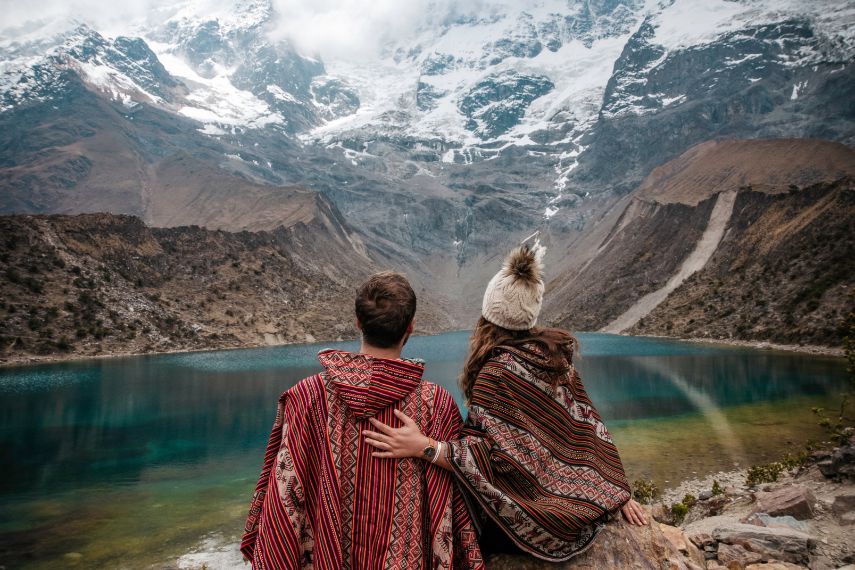
Best Time to Visit Peru for Honeymoons
For most honeymoons, May to October is the gold standard time to visit Peru. This period is known as the Peruvian winter, and it offers the most stable weather for the “Big Three:” Cusco, the Sacred Valley, and Machu Picchu. You can enjoy bright skies and crisp nights that are perfect for iconic, cloud-free honeymoon photos at Machu Picchu and Lake Humantay. Since it is the peak season, ensure you make bookings 6-9 months in advance for hotels and flights.
Best time to visit Peru for Families
For an exciting family adventure, May to October is the absolute best time to visit Peru. Since it’s the dry season, you will have bright, sunny skies that are perfect for trekking the Andes or exploring the wonders of the Amazon with your kids. Choose shoulder months like May, September, and October to beat the peak summer crowds. These months offer pleasant temperatures and shorter lines at iconic sites like Machu Picchu. Travelling during the dry season ensures comfortable weather and great memories for everyone, from toddlers to grandparents.
Best Time to visit Peru for shopping
For the best Peruvian shopping experience, visit during the shoulder season from March to May and September to October. These sweet spots see fewer crowds, giving you more leverage to bargain with local artisans. May is especially great for buying high-quality Andean textiles in Cusco while December to March offers sunny coastal weather perfect for exploring Lima’s trendy boutiques. These periods provide the ideal balance of great prices and beautiful scenery.
Best Time to Visit Peru to Avoid Crowds
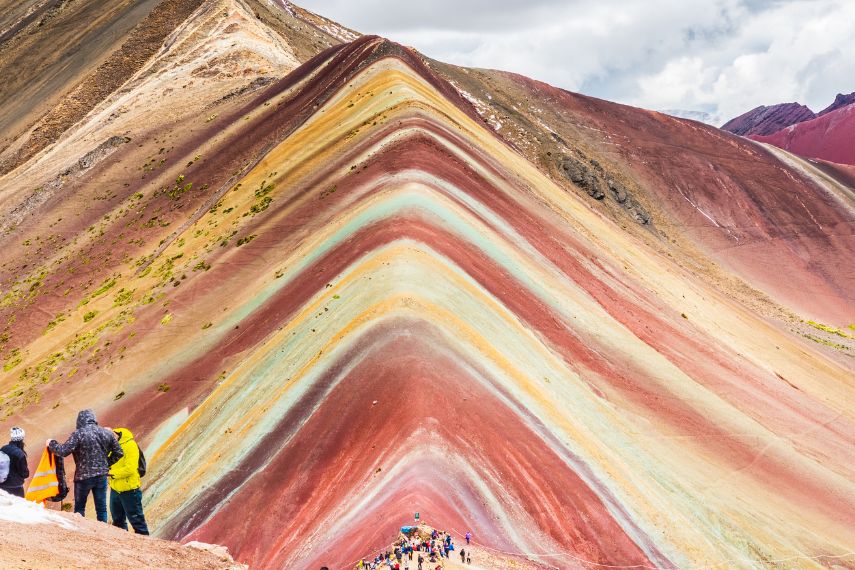
To avoid crowds in Peru, you should focus on the shoulder seasons and the low season. You can choose to travel between April–May & September–October. These times allow you to experience the country’s major sites without the heavy tourist traffic of the mid-year peak season. Besides avoiding crowds, here’s why these shoulder months are travel worthy:
- April & May: The mountains are emerald green after the rains, and the air is crisp and clear.
- September & October: This is the best time for peaceful hiking. You will enjoy stable weather and thinning crowds at Machu Picchu and the Sacred Valley.
Peru Weather and Climate: Month-by-Month Guide
Peru in January
Lima & the Coast: 23–25°C | 6 hours of sunshine
Andes (Cusco): 18°C by day / 9°C at night | 4–5 hours of sunshine
Amazon (Iquitos): 30–31°C | 4 hours of sunshine
Daylight: Around 12 hours
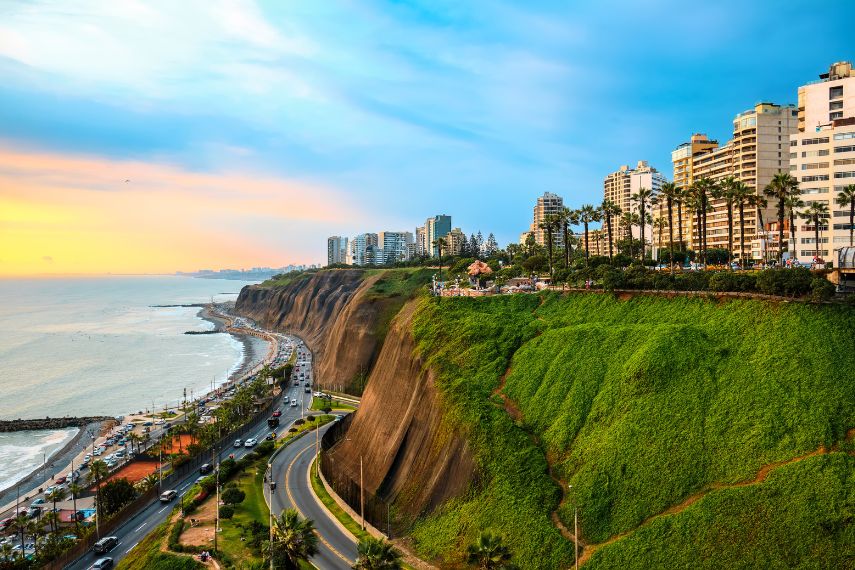
In January, Peru experiences a sharp contrast between its regions. The desert coastal strip, including Lima, Paracas, and Trujillo, as well as the inland city of Arequipa, are ideal regions to visit. Summer is at its peak on the coast, offering dry, sunny days that are perfect for beaches and outdoor festivals. Meanwhile, the Andean highlands and the Amazon Rainforest experience heavy tropical rains, which can make trekking more difficult. Still, visiting in January means you can enjoy lush green mountain landscapes, fewer tourists at major ruins, and lower hotel prices in the highlands. Although you should be ready for occasional rain, January can be a great time for a quieter and more scenic adventure.
Peru in February
Lima & the Coast: 25–26.5°C | 6 hours of sunshine
Andes (Cusco): 18°C by day / 9°C at night | 4 hours of sunshine
Amazon (Iquitos): 30–31°C | 3 hours of sunshine
Daylight: Around 13 hours
February in Peru is a total mix of summer sun and lush, green landscapes. Coastal cities like Lima are warm and bright, with ocean breezes making it a perfect time for beach days, food tours, or sunset walks. In the Andes around Cusco, it is the rainy season with short afternoon showers, green landscapes, and smaller crowds. Although the Inca Trail closes for maintenance, Machu Picchu remains open. In the Amazon, you can expect hot, humid weather, frequent rain, and excellent wildlife activity. February is also when Cajamarca comes alive for Carnival, celebrated in the lead-up to Lent with parades, costumes and the city’s famously playful water fights. Other February highlights include Pisco Sour Day, celebrated on the first Saturday of the month, and the Virgin de la Candelaria festival in Puno, which brings two weeks of colourful parades, brass bands and dancing to the city’s streets each February.
Peru in March
Lima & the Coast: 24–25°C | 6 hours of sunshine
Andes (Cusco): 18°C by day / 8°C at night | 5 hours of sunshine
Amazon (Iquitos): 30°C | 4 hours of sunshine
Daylight: Around 12.5 hours
March is a beautiful transitional time to visit Peru. Along the coast, Lima and the wildlife-rich beaches of Paracas offer sunny skies and ideal swimming temperatures. In the Andes, it is the tail end of the rainy season. While you might encounter some mud, the landscapes around Cusco and Machu Picchu are breathtakingly lush and vibrant with blooming orchids. Travelling to Peru in March means fewer crowds and lower prices, though you should book ahead if your visit coincides with Semana Santa celebrations.
Peru in April
Lima & the Coast: 21–23°C | 6 hours of sunshine
Andes (Cusco): 19°C by day / 5°C at night | 6–7 hours of sunshine
Amazon (Iquitos): 30–31°C | 5 hours of sunshine
Daylight: Around 12 hours
April is a premier shoulder-season month to visit Peru because it offers a perfect balance of mild weather and manageable crowds. As the rainy season ends, the cloud-forest ecosystem breathes anew after months of rainfall, and thousands of orchids bloom across the highlands. It is a good time for trekking the Inca Trail or the Sacred Valley before the peak-season rush. While Lima sees some coastal fog, temperatures remain pleasant for city tours. Just watch for price hikes during Semana Santa (Holy Week), when local festivities draw larger crowds.
Peru in May
Lima & the Coast: 19–20°C | 4–5 hours of sunshine
Andes (Cusco): 19°C by day / 2°C at night | 7–8 hours of sunshine
Amazon (Iquitos): 29–30°C | 6 hours of sunshine
Daylight: Around 12 hours
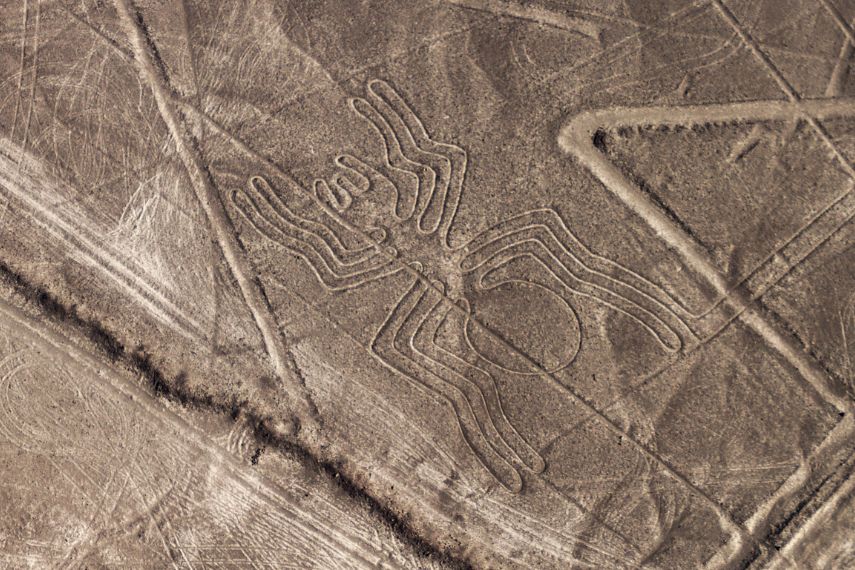
May is one of the best times to visit Peru. As the rainy season ends, it becomes perfect for hiking the Inca Trail or seeing the Nazca Lines. In places like Cusco and the Sacred Valley, the mountains are beautiful and green. The days are comfortably warm and sunny, but you should pack layers because the nights still get quite cold. While Lima experiences a milder, desert-like climate with some fog, the Amazon becomes more attractive due to receding river levels. Since May in Peru is yet not the peak season, you can explore major sites with fewer tourists.
Peru in June
Lima & the Coast: 17–18°C | 2–3 hours of sunshine
Andes (Cusco): 18°C by day / 0°C at night | 8–9 hours of sunshine
Amazon (Iquitos): 29–30°C | 6–7 hours of sunshine
Daylight: Around 11.5 hours
June is a peak month to visit Peru. The dry and sunny weather is absolutely perfect for trekking the Inca Trail or the Salkantay Trek to Machu Picchu. In Cusco, the vibrant Inti Raymi Festival on June 24th brings ancient Incan traditions to life with incredible ceremonies. While the Andes experiences cold nights, the Amazon enters its dry season, making wildlife spotting in Manu exceptional. Meanwhile, Lima turns cooler and misty. Although crowds and prices rise, the clear skies and iconic festivals make June an unforgettable time for adventure.
Peru in July
Lima & the Coast: 16–17°C | 1–2 hours of sunshine
Andes (Cusco): 18°C by day / -1.6°C at night | 9 hours of sunshine
Amazon (Iquitos): 28–29°C | 7 hours of sunshine
Daylight: Around 12 hours
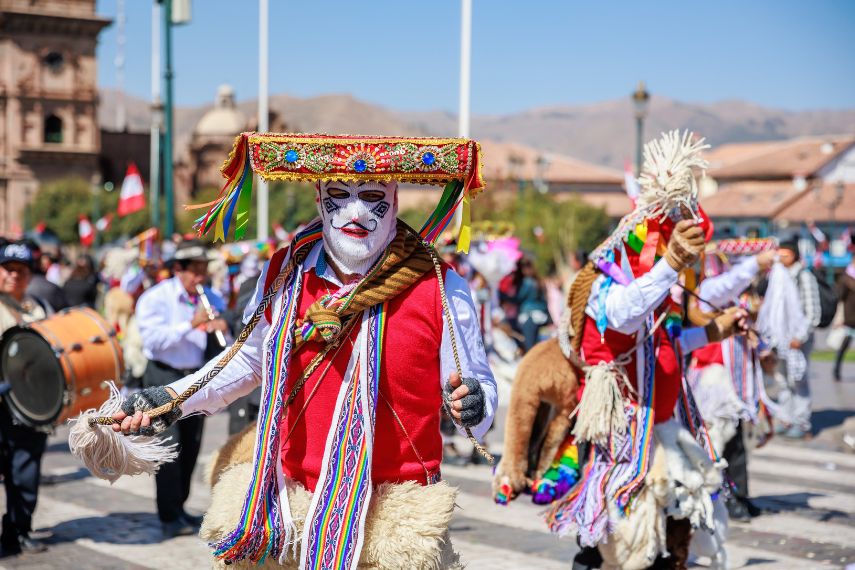
July is a month of vibrant festivals in Peru. On 7 July, locals celebrate the Citadel’s status as a Wonder of the World. You can catch the lively Virgen del Carmen Festival on 16 July or enjoy the country’s favorite comfort food on Pollo a la Brasa Day. The biggest celebrations hit during Fiestas Patrias on 28 and 29 July, when parades and parties take over the streets nationwide. Beyond these events, the dry and sunny weather makes it the perfect time to hike to Machu Picchu. Basically, July is a busy but beautiful month full of colourful parades and clear mountain views.
Peru in August
Lima & the Coast: 14.6–17°C | 1–2 hours of sunshine
Andes (Cusco): 18°C by day / -1°C at night | 9–10 hours of sunshine
Amazon (Iquitos): 30–31°C | 7 hours of sunshine
Daylight: Around 12 hours
August is right in the middle of the peak dry season in Peru. The weather in the Andes is bright and clear, making it an excellent time to trek routes like the Inca Trail or the Salkantay Trek. It is also one of the busiest months to visit Machu Picchu, so booking your trip early is a good idea. You can also experience cultural events such as the Day of Pachamama on 1 August. While Lima is often misty at this time, the Amazon is great for spotting wildlife because there is less rain.
Peru in September
Lima & the Coast: 14.6–17°C | 1–2 hours of sunshine
Andes (Cusco): 19°C by day / 0°C at night | 8–9 hours of sunshine
Amazon (Iquitos): 31–32°C | 7 hours of sunshine
Daylight: Around 12 hours
In September, Peru transitions into the spring season. You can enjoy mild, dry weather with fewer crowds and lower costs than peak season. In the Andes, clear skies are perfect for trekking the Sacred Valley or witnessing the Spring Equinox at Machu Picchu in late September. Lima finally starts to trade its coastal mist for some real sunshine, while the Amazon remains a top-tier spot for wildlife as the rivers hit their lowest levels. It really is the best month to soak up the very best of Peru’s world-class culture and cuisine.
Peru in October
Lima & the Coast: 18–20°C | 3–4 hours of sunshine
Andes (Cusco): 21.7°C by day / 3°C at night | 7 hours of sunshine
Amazon (Iquitos): 32–32.9°C | 6–7 hours of sunshine
Daylight: Around 12.5 hours
Peru in October maintains a perfect balance between the wet and dry seasons. It provides a mix of sunshine and occasional rain. It is a fantastic month for trekking the Salkantay Trail with fewer crowds and warmer nights than winter. In Lima, the “Purple Month” honours Señor de los Milagros with massive processions, while the Amazon hosts the Great River Amazon Raft Race. With lower prices and thinning crowds, October is an ideal shoulder season for exploring Machu Picchu and the lush, blooming highlands.
Peru in November
Lima & the Coast: 20–21°C | 5–6 hours of sunshine
Andes (Cusco): 20°C by day / 4°C at night | 6–7 hours of sunshine
Amazon (Iquitos): 31–32°C | 5–6 hours of sunshine
Daylight: Around 12.5 hours
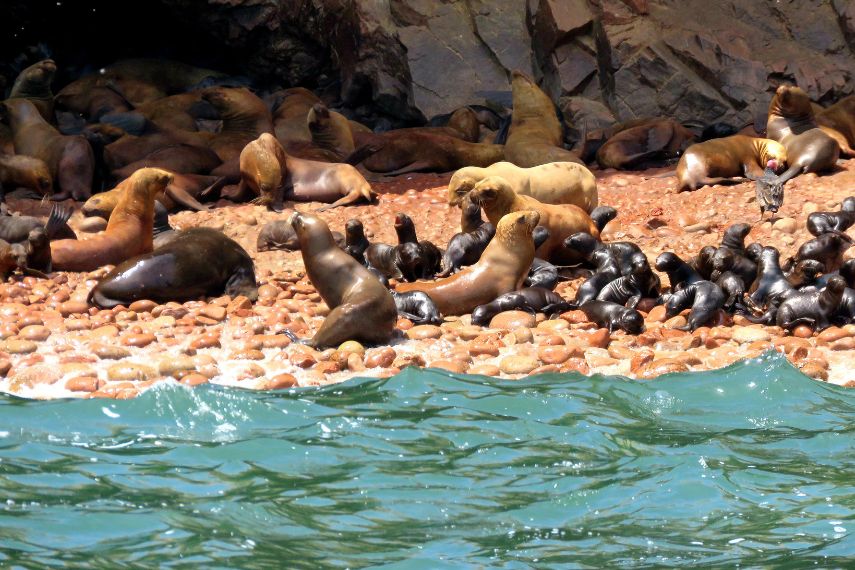
November is the beginning of the rainy season in the Andes and Amazon regions of Peru. The month offers a quieter, more affordable travel experience. While the Andes see infrequent showers and moody, mystical clouds over Machu Picchu, warmer night-time temperatures make trekking manageable with the right gear. Lima and the coast shine as summer approaches, with excellent surfing in Máncora and active marine life at Islas Ballestas. Puno Week begins on 5 November, bringing vibrant street dances to the shores of Lake Titicaca as locals celebrate the legendary first Inca king. Earlier in the month, Day of the Dead sees families across Peru gathering in cemeteries to honour loved ones, decorating graves with flowers and sharing food, music and memories.
Peru in December
Lima & the Coast: 22–24°C | 6 hours of sunshine
Andes (Cusco): 19°C by day / 6°C at night | 5–6 hours of sunshine
Amazon (Iquitos): 30–31°C | 5 hours of sunshine
Daylight: Around 13 hours
In December, summer begins on the coast of Peru. The gray fog in Lima disappears, making it a great time for the beach or surfing in Máncora. In the mountains, the rainy season starts. The landscapes around Machu Picchu become lush green and beautiful, though you should carry a rain jacket. December is also a festive month. You can visit the Santurantikuy market in Cusco on 24 December to see local crafts and enjoy Christmas on 25 December. Due to the holiday season, it is best advised to book your flights and hotels early.
Plan Your Tailor-Made Peru Holiday with Luxtripper
If clear views at Machu Picchu are high on your list, aim for May to September. Just remember that these are the busiest months too, and Inca Trail permits can disappear fast. If you would rather avoid the peak-season crowds and prices, look at April, May, September, or October instead.
Speak to the Luxtripper team and we will help you work out the best time to visit based on how you want to experience Peru.