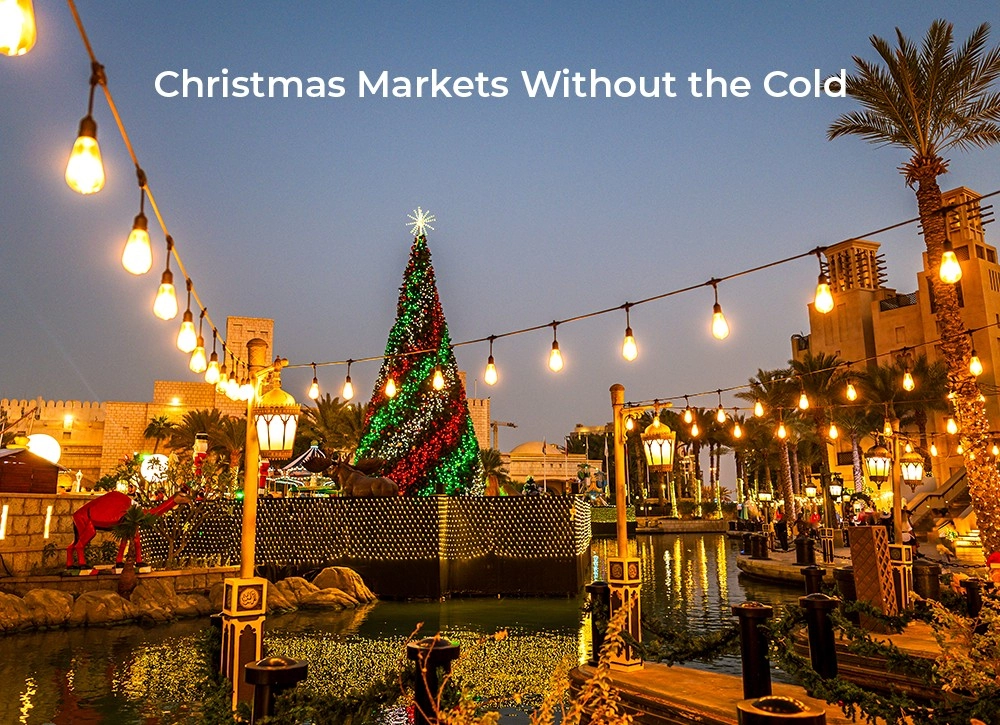
Summer in Europe tends to change how cities feel. Streets stay busy later in the evening, cafés spill onto pavements, and even familiar places seem a bit different in warmer months. This guide brings together a mix of European cities that work particularly well at this time of year, whether you’re looking at coastal spots, historic centres, or places with a cooler climate.
From Sorrento and the Amalfi Coast in Italy to Barcelona’s coastal energy, and further north to Reykjavík or Stockholm, each destination has its own summer character. Some are about slow coastal days, others are better for exploring on foot, and a few offer a break from the heat altogether. The idea is simple, a shortlist of places that feel right for travel during the summer season.
So let’s take a look at best European cities you have to visit this summer
1. Sorrento & Amalfi Coast, Italy
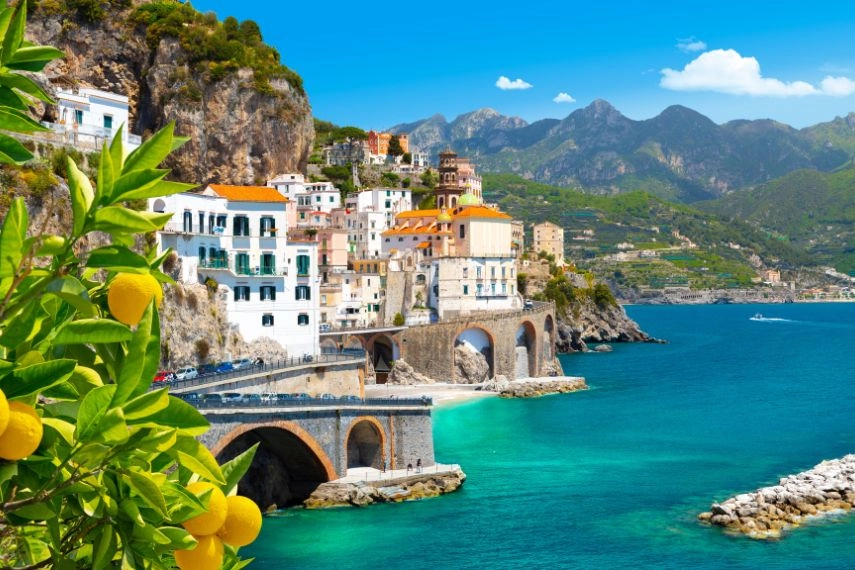
Sorrento sits above the Bay of Naples, the town is compact and easy to navigate, with direct ferry connections and access to nearby sites like Pompeii. From here, you can plan day trips to Positano, Amalfi, Pompeii or Capri without changing hotels. Summer brings clear weather and long days, though coastal routes and popular stops tend to fill up quickly, particularly from late morning onwards.
- Best time: June or September for perfect balance of warm & sunny weather
- Peak pressure points: Positano by late morning, Capri between 11am to 4pm, Amalfi Coast road traffic throughout the day
- Quieter timing tip: First ferries (before 9 AM) or late afternoon arrivals make a noticeable difference
- Top experiences: Capri boat tour (around the island, not just landing), Pompeii with early entry, sunset in Ravello
- Getting around: When arriving from Naples, skip the crowded commuter rail and book the Campania Express – a dedicated tourist train and extra luggage space
- Best time: June or September for perfect balance of warm & sunny weather
2. Ourense, Spain
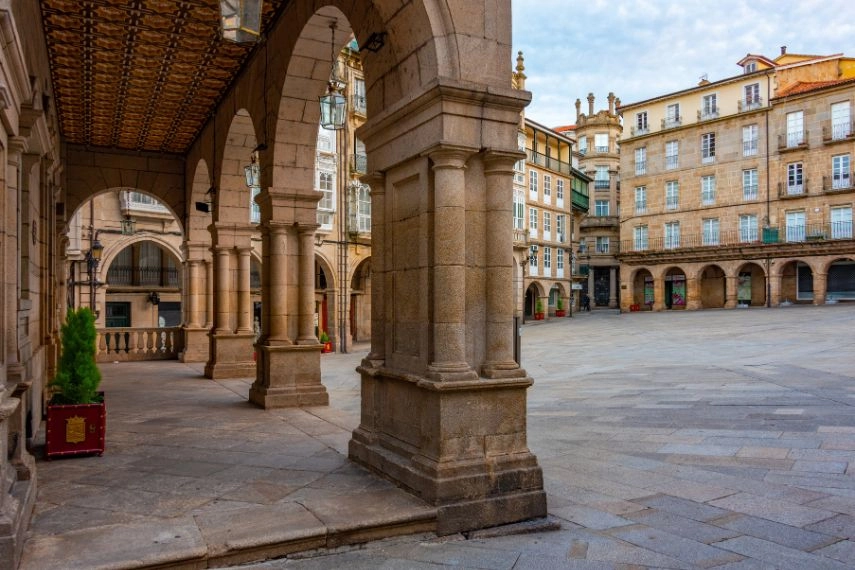
Ourense, known as Galicia’s “City of Water,” offers accessible natural thermal baths along the Miño River, including popular spots like As Burgas and Outariz. The city combines a walkable old town, Roman history, and a relaxed, warm-weather atmosphere less crowded than coastal Spain.
- Best time: Late June or September, ideal weather conditions
- Best time: Late June or September, ideal weather conditions
- What makes it different: Free public thermal baths (like As Burgas) alongside paid spa-style options
- What makes it different: Free public thermal baths (like As Burgas) alongside paid spa-style options
- Peak spots: Popular riverside pools (Outariz, Prexigueiro) get busy in late afternoons, best summer viewpoints for photos ( Millennium Bridge Walkway, Cathedral Rooftop Tours)
- Peak spots: Popular riverside pools (Outariz, Prexigueiro) get busy in late afternoons, best summer viewpoints for photos ( Millennium Bridge Walkway, Cathedral Rooftop Tours)
- Quieter timing tip: Visit thermal baths early morning or after 7pm
- Quieter timing tip: Visit thermal baths early morning or after 7pm
- Top experiences: Soaking in outdoor hot springs, walking the Roman bridge, exploring the old town
- Top experiences: Soaking in outdoor hot springs, walking the Roman bridge, exploring the old town
- Getting around: The city is compact and walkable; take the thermal train from the Plaza Mayor at €1 for the furthest riverside pools
- Summer Festivals and Events: Fiestas de Ourense (Late June); Ribeira Sacra Festival (July); Xornadas de Folclore (August)
- Getting around: The city is compact and walkable; take the thermal train from the Plaza Mayor at €1 for the furthest riverside pools
3. Reykjavík, Iceland
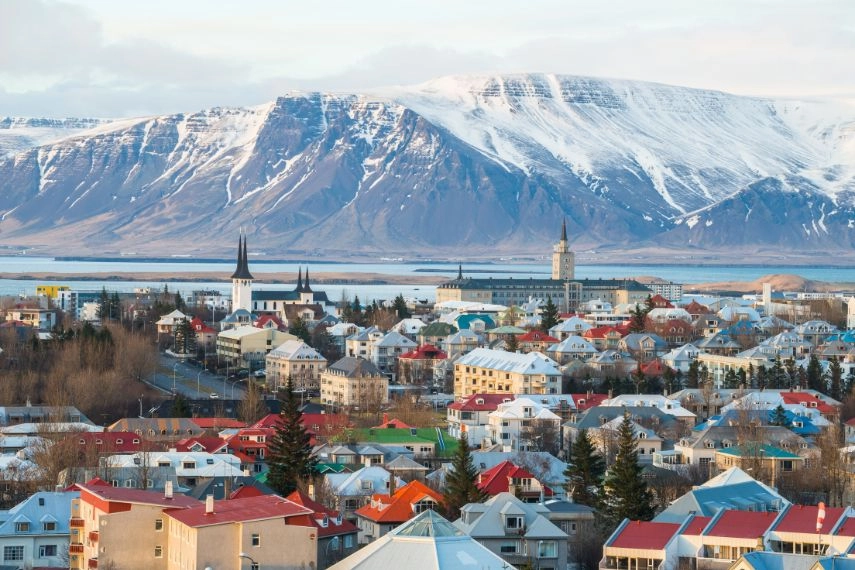
Reykjavík is the ultimate escape from the sweltering heat of Southern Europe. As the world’s northernmost capital, it offers a refreshing climate and the surreal Midnight Sun. Around the June solstice, the sun barely dips below the horizon, providing nearly 24 hours of light. This is the peak season for life in Iceland; you can spend your “nights” exploring the Golden Circle or spotting puffins and whales along the coast, all under a permanent golden glow.
- Best time: Late June to August. These months offer the mildest weather (9°C to 15°C) and the best wildlife sightings.
- What makes it different: The Midnight Sun creates a “nightless” summer, giving you endless energy to explore.
- Peak pressure points: The Blue Lagoon (book weeks in advance) and Golden Circle stops during the midday tour bus rush.
- Quieter timing tip: Visit natural wonders after 8:00 PM. The light remains spectacular for photos, but the crowds vanish.
- Best time: Late June to August. These months offer the mildest weather (9°C to 15°C) and the best wildlife sightings.
Top experiences:
- Whale Watching: Depart from the Old Harbour for peak sightings of Humpback whales.
- Rainbow Road: Walk the colorful Skólavörðustígur street toward the towering Hallgrímskirkja Church.
- Geothermal Soaking: Try Laugardalslaug for a local vibe or Sky Lagoon for an upscale infinity pool over the Atlantic.
- Whale Watching: Depart from the Old Harbour for peak sightings of Humpback whales.
Getting around: Rental cars are best for day trips, while the city center is perfectly walkable. Use the Strætó bus for longer city hops.
4. Stockholm, Sweden
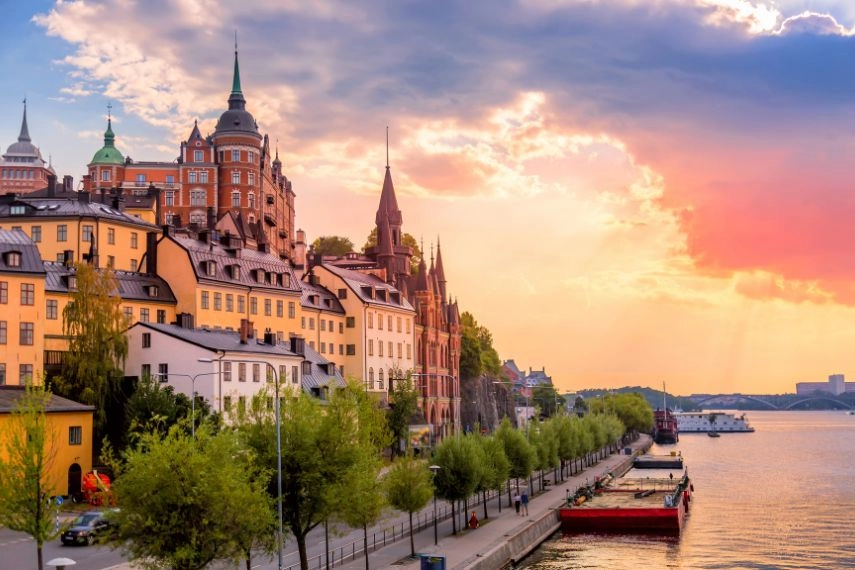
Stockholm, the “Venice of the North,” is a stunning tapestry of 14 islands connected by 57 bridges. In summer, the city transforms into an outdoor playground with mild temperatures (18°C–22°C) and 18 hours of daylight. Whether you are lounging in the Royal National City Park—the world’s first urban national park—or taking a ferry to a remote island cottage, Stockholm offers a perfect balance of Scandinavian cool and natural beauty.
- Best time: June (Midnight sun – 18 hours of light) or August, offering perfect blend of warm weather and vibrant cultural energy
- What makes it different: The ability to swim in crystal-clear water right downtown and easy access to a massive archipelago of 30,000 islands.
- Peak pressure points: Gamla Stan (Old Town) during the midday rush and the Vasa Museum.
- Quieter timing tip: Explore Gamla Stan before 10 AM, or take an evening boat tour to experience the “Golden Hour” light that lingers until 10 PM.
- Best time: June (Midnight sun – 18 hours of light) or August, offering perfect blend of warm weather and vibrant cultural energy
Top experiences:
- Archipelago Tour: Hop a ferry to Vaxholm or Grinda for a taste of island life.
- Vasa Museum: See the world’s best-preserved 17th-century warship.
- Södermalm Viewpoints: Walk Monteliusvägen for the most iconic city skyline views.
- Archipelago Tour: Hop a ferry to Vaxholm or Grinda for a taste of island life.
Getting around: The SL system seamlessly covers the metro, trams, and ferries. Renting a bike is also a local favorite for city exploration.
5. Split, Croatia
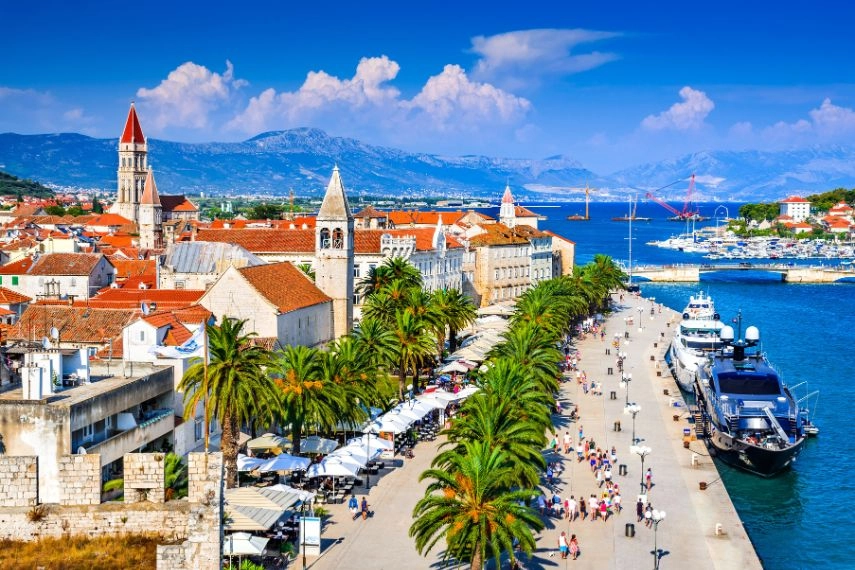
Split is the soul of the Dalmatian Coast, centered around Diocletian’s Palace—a Roman ruin that serves as the city’s living, breathing heart. Unlike static historic sites, this UNESCO treasure is packed with lively bars, shops, and apartments built directly into 1,700-year-old walls. Summer here is defined by sun-drenched days swimming off Marjan Hill, strolling the palm-lined Riva promenade, and using the city as a launchpad for the islands of Hvar and Brač.
- Best time: June or September; offering a sweet spot for swimming and vibrant nightlife.
- What makes it different: The rare chance to live inside an ancient Roman Emperor’s palace and its status as the ultimate Adriatic island-hopping hub.
- Peak pressure points: Diocletian’s cellars during midday and the ferry terminal on weekend mornings.
- Quieter timing tip: Climb the Sveti Duje Bell Tower before 9:00 AM to beat the cruise ship crowds.
- Best time: June or September; offering a sweet spot for swimming and vibrant nightlife.
Top experiences:
- Palace Wandering: Explore the limestone alleys at night when the stone glows and courtyards fill with music.
- Island Day Trips: Catch a fast catamaran to Hvar for glamour or Brač for iconic beaches.
- Klis Fortress: Visit this Game of Thrones filming site for epic views of the coast.
- Palace Wandering: Explore the limestone alleys at night when the stone glows and courtyards fill with music.
Getting around: The Old Town is pedestrian-only. Use Jadrolinija ferries for islands and local buses for nearby beaches.
6. Nice, France
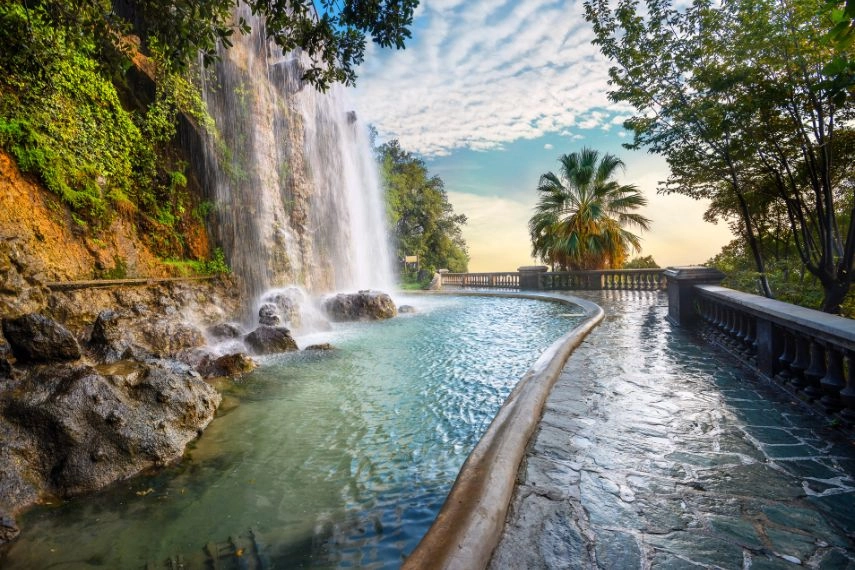
Nice is the sophisticated heart of the French Riviera, where Italianate architecture meets the turquoise Baie des Anges. Defined by the iconic Promenade des Anglais, the city offers a blend of pebbled beaches, vibrant flower markets, and world-class art. It serves as the ultimate base for a glamorous summer, positioned perfectly for day trips to Monaco, Cannes, and the hilltop village of Èze.
- Best time: June or September (avoids the stifling August humidity).
- What makes it different: The unique “Niçois” culture, a sun-drenched mix of French and Italian heritage.
- Peak pressure points: Public beaches along the Promenade and Cours Saleya market on weekend mornings.
- Quieter timing tip: Hike up Castle Hill at sunrise for panoramic views before the heat and crowds arrive.
- Best time: June or September (avoids the stifling August humidity).
Top experiences:
- Cours Saleya: Browse the markets in Vieux Nice for lavender, antiques, and local Socca (chickpea pancakes).
- Promenade des Anglais: Rent a city bike and cycle the 7km Mediterranean seafront.
- Regional Train (TER): Use the coastal rail to hop between towns like Menton and Monaco effortlessly.
- Cours Saleya: Browse the markets in Vieux Nice for lavender, antiques, and local Socca (chickpea pancakes).
Getting around: Very walkable with an efficient tram system. The train is the best way to skip coastal traffic.
7. Athens, Greece
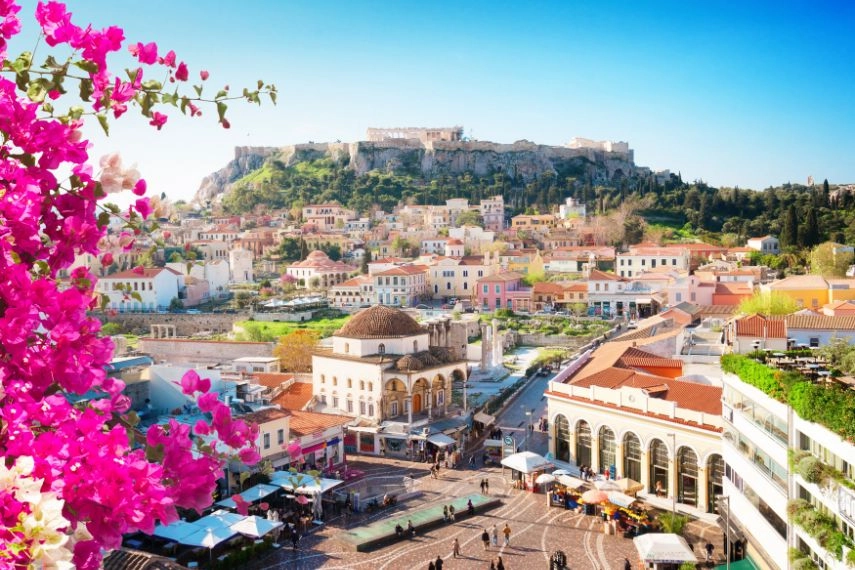
Athens is where the foundation of Western civilization meets a high-energy modern lifestyle. While the summer heat is legendary, the city adapts with a late-night culture of rooftop bars and open-air cinemas. It serves as both a historical powerhouse and the ultimate springboard to the Greek Islands.
- Best time: June, or September. July and August often exceed 35°C, making midday sightseeing difficult.
- What makes it different: The surreal sight of the 2,500-year-old Parthenon illuminated above a bustling, modern metropolis.
- Peak pressure points: The Acropolis and Piraeus Port (especially on weekends when the island exodus peaks)
. - Quieter timing tip: Visit the Acropolis at 8:00 AM sharp. By 11:00 AM, the heat and tour groups become overwhelming; use that time for the air-conditioned Acropolis Museum.
- Best time: June, or September. July and August often exceed 35°C, making midday sightseeing difficult.
Top experiences:
- The Ancient Trail: Explore the Acropolis and the Ancient Agora.
- Plaka & Anafiotika: Wander the island-style alleys of Anafiotika tucked just below the citadel.
- Cape Sounion: Take a sunset trip to the Temple of Poseidon for dramatic coastal views.
- The Ancient Trail: Explore the Acropolis and the Ancient Agora.
Getting around: The Metro is excellent and connects the airport, city center, and port. Stick to the “Historical Triangle” (Plaka to Monastiraki) on foot.
8. Barcelona, Spain
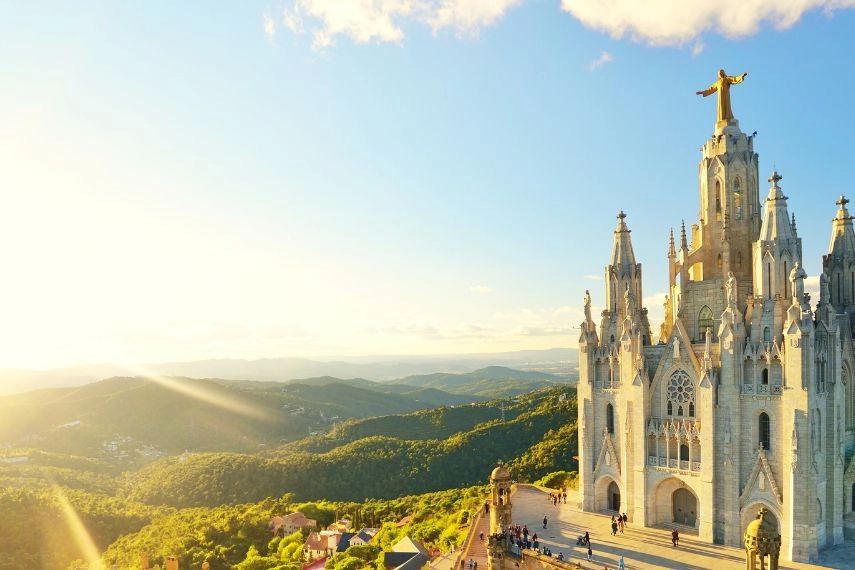
Barcelona is the ultimate hybrid: a world-class cultural capital with a sprawling Mediterranean beach. Defined by Gaudí’s surreal Modernisme architecture and the narrow, shadow-filled streets of the Gothic Quarter, the city pulses with energy in the summer. While July and August are famously hot and humid, the “late-night” culture of tapas and beachside chiringuitos makes it a quintessential summer staple.
- Best time: Late May, June, or September. These months offer the best balance of manageable heat and lively atmosphere.
- What makes it different: The seamless transition from exploring a cathedral (Sagrada Familia) to lounging on a beach (Barceloneta) within 20 minutes.
- Peak pressure points: Sagrada Familia (tickets sell out weeks in advance) and La Rambla, which is heavily congested all day.
- Quieter timing tip: Wander the Gothic Quarter before 10 AM. You’ll see the architecture without the sea of umbrellas and tour groups.
- Best time: Late May, June, or September. These months offer the best balance of manageable heat and lively atmosphere.
Top experiences:
- Gaudí Trail: Prioritize Sagrada Familia and the whimsical Park Güell.
- El Born Dining: Skip the tourist menus and find hidden tapas bars in the backstreets of El Born.
- Coastal Escape: For cleaner water and fewer crowds, take the train 20 minutes north to the beaches of Badalona or Ocata.
- Gaudí Trail: Prioritize Sagrada Familia and the whimsical Park Güell.
Getting around: The Metro is air-conditioned and highly efficient. Use it to avoid the long walks between major landmarks in the summer sun.
9. Lisbon, Portugal
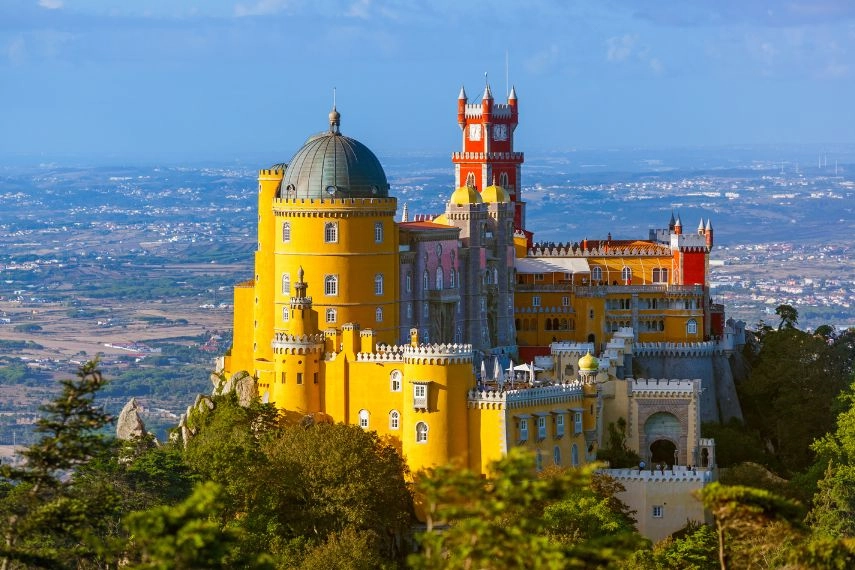
Lisbon is a city of seven hills, yellow trams, and a nostalgic soul. Summer brings a special energy, especially in June during the Santos Populares festivals, when the smell of grilled sardines and the sound of Fado fill the streets. While the Atlantic breeze keeps the city manageable, the nearby beaches are just a quick train ride away.
- Best time: Late May, June (for festivals), or September.
- What makes it different: The unique blend of Moorish history and the coastal “Golden Hour” that seems to last forever.
- Peak pressure points: Tram 28 and the Jerónimos Monastery (long midday queues).
- Quieter timing tip: Visit the Belém Tower at 9:30 AM sharp, then walk the waterfront before the heat and crowds peak.
- Best time: Late May, June (for festivals), or September.
Top experiences:
- Tram 28: Ride the historic line early, or walk its route through Alfama for better photos.
- Pastéis de Belém: Try the world’s most famous custard tarts at their original source.
- Miradouro Sunset: Head to Senhora do Monte for the city’s highest panoramic view.
- Tram 28: Ride the historic line early, or walk its route through Alfama for better photos.
Getting around: The Metro is efficient, but the hills are steep; use ride-sharing apps like Bolt to save your legs.
10. Kraków, Poland
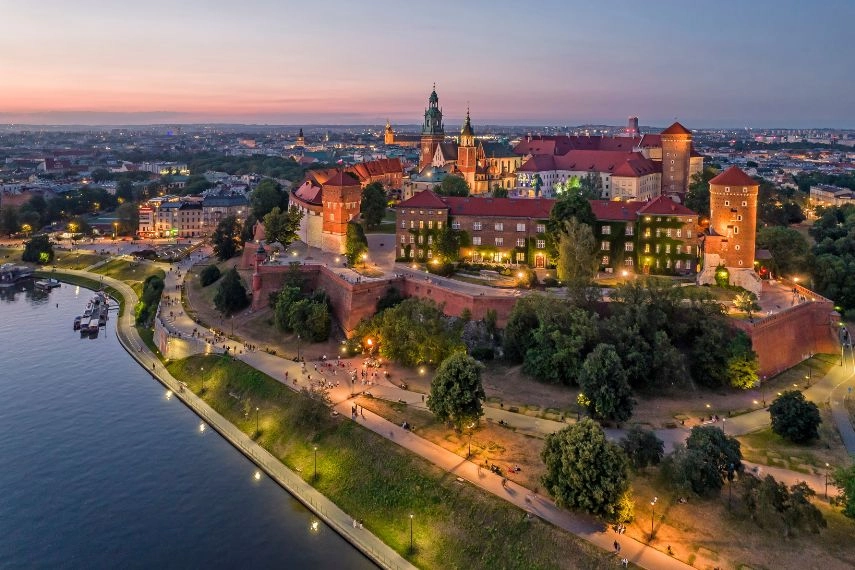
Kraków is Poland’s cultural heart, centered around Rynek Główny—the largest medieval market square in Europe. In summer, the city is a vibrant hub of outdoor cafés and horse-drawn carriages, with pleasant temperatures (20°C–25°C) ideal for exploring. It seamlessly blends royal history at Wawel Castle with the bohemian, resilient spirit of the Jewish Quarter, Kazimierz.
- Best time: June and September. July and August are the liveliest months for festivals and outdoor dining but comes up higher prices on flights, accommodation, and dining.
- What makes it different: A perfectly preserved medieval core that remains one of Europe’s most affordable and food-focused city breaks.
- Peak pressure points: Wawel Castle midday and tours to Auschwitz-Birkenau or the Wieliczka Salt Mine, which must be booked weeks in advance.
- Quieter timing tip: Walk the Planty Park, the green belt circling the Old Town during the afternoon heat for a shaded, crowd-free stroll.
- Best time: June and September. July and August are the liveliest months for festivals and outdoor dining but comes up higher prices on flights, accommodation, and dining.
Top experiences:
- Rynek Główny: Visit the underground museum or shop for amber in the Cloth Hall.
- Rynek Główny: Visit the underground museum or shop for amber in the Cloth Hall.
- Kazimierz: Explore historic synagogues and enjoy the legendary nightlife in the Jewish Quarter.
- Kazimierz: Explore historic synagogues and enjoy the legendary nightlife in the Jewish Quarter.
- Wawel Cathedral: See the final resting place of Polish royalty.
- Wawel Cathedral: See the final resting place of Polish royalty.
Getting around: Very walkable. For further sites, use the efficient tram system or apps like Bolt/Uber for affordable rides.
11. Tallinn, Estonia
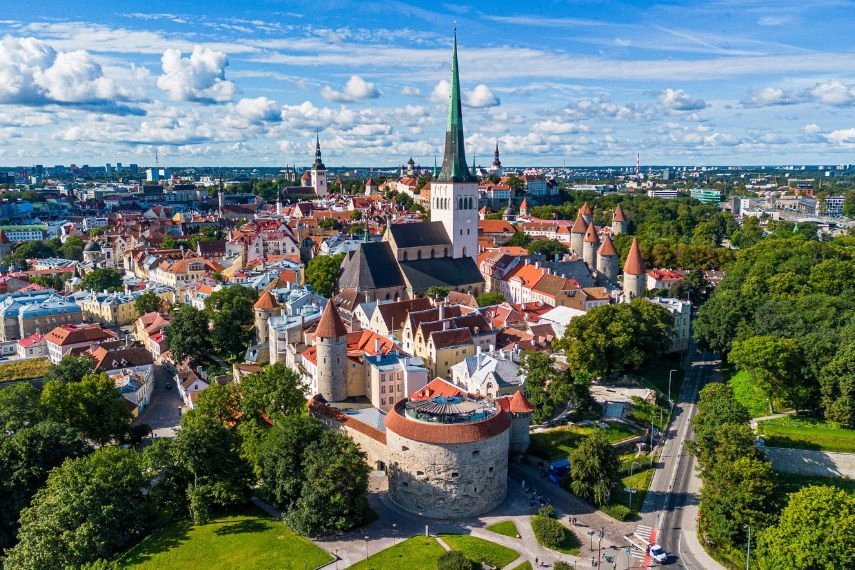
Tallinn’s UNESCO-listed Old Town is a medieval fairytale that truly awakens during the summer. With 18 hours of daylight around the solstice and refreshing temperatures (17°C–22°C), it’s a perfect escape from the southern heat. The city blends cobblestone charm with a sleek, “Silicon Valley of Europe” energy, making it a unique mix of history and modern Nordic cool.
- Best time to visit: Late June to August. Early June offers the best “White Nights” experience ( 19 Hours of daylight)
- What makes it different: One of the world’s best-preserved medieval centers, with the added perk of being a 2-hour ferry ride from Finland.
- Peak pressure point: Town Hall Square (Raekoja plats) between 11 AM and 3 PM when cruise ship crowds peak.
- Quieter timing tip: Explore the Telliskivi Creative City in the evening, it’s a trendy, former industrial complex that stays lively under the lingering sun.
- Best time to visit: Late June to August. Early June offers the best “White Nights” experience ( 19 Hours of daylight)
Top experiences:
- Medieval Walls: Walk the ramparts and visit towers like Kiek in de Kök for panoramic views.
- Kadriorg Palace: A stunning Baroque palace and park founded by Peter the Great.
- Helsinki Day Trip: Take a high-speed ferry for a quick taste of the Finnish capital.
- Medieval Walls: Walk the ramparts and visit towers like Kiek in de Kök for panoramic views.
Getting around: The Old Town is pedestrian-only. For outer districts, use the efficient tram system (visitors can tap-and-go with contactless cards).
12. Albanian Riviera
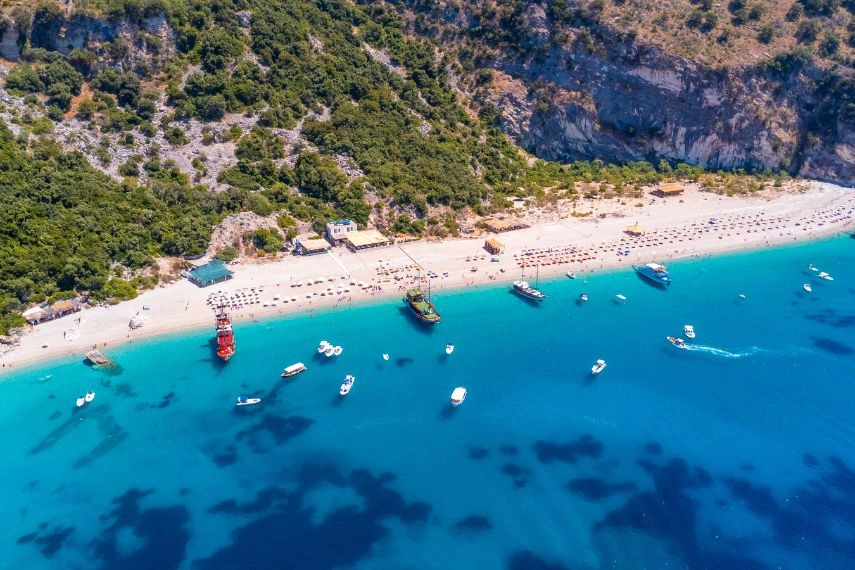
The Albanian Riviera is Europe’s fastest-growing summer secret. Stretching along the Ionian Sea, it offers turquoise waters and white-stone beaches like Dhërmi and Ksamil at a fraction of the cost of neighboring Greece or Italy. It’s a rugged, beautiful coastline where ancient UNESCO ruins meet a high-energy Mediterranean summer.
- Best time to visit: June or September. July and August are peak seasons, with temperatures often hitting 35°C.
- What makes it different: Incredible affordability and “untouched” vibes, including hidden coves accessible only by boat.
- Peak pressure point: Ksamil beaches (often called the “Maldives of Europe”) during midday.
- Quieter timing tip: Use the newly opened Llogara Tunnel to reach southern beaches earlier and beat the Tirana traffic.
Top experiences:
- Butrint National Park: Explore massive Greco-Roman ruins surrounded by a lagoon.
- Ksamil Islands: Rent a transparent kayak or pedal boat to reach uninhabited islets just offshore.
- Blue Eye (Syri i Kaltër): A deep, neon-blue natural spring that stays a chilling 10°C year-round.
Getting around: A rental car is essential for coastal flexibility. Public furgons (minibuses) are cheap but follow informal schedules.