


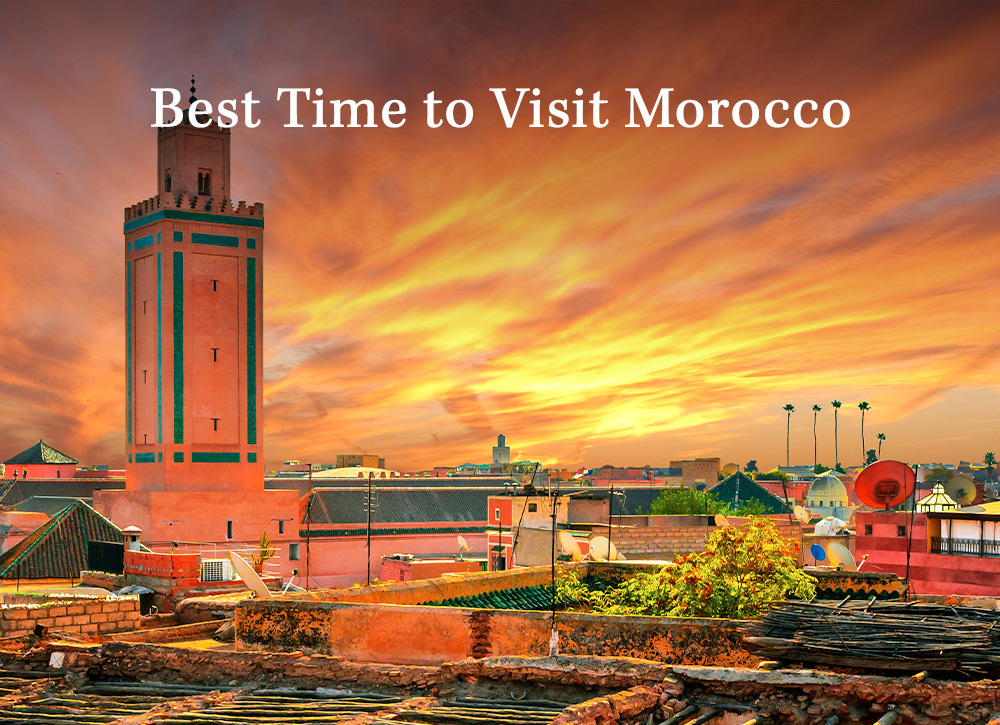
You can plan your visit to Morocco in 2026 with confidence by understanding the climate, crowds, and prices outlined in the blog. You can benefit from knowing that the dry season, from January to May, has mild temperatures and clear skies across most regions. Reviewing Morocco’s weather by month allows you to choose the best season to visit Morocco for cities, mountains, beaches, or the Sahara. This guide explains when to visit Morocco and when to go to Morocco using practical, experience-based insights rather than guesswork.
It also clarifies the Season in Morocco now for flexible itineraries. For budget-conscious travellers, we highlight the cheapest time to go to Morocco without sacrificing comfort. Use this resource to decide the best time to travel to Morocco and plan trips.
Best Time of the Year to Visit Morocco
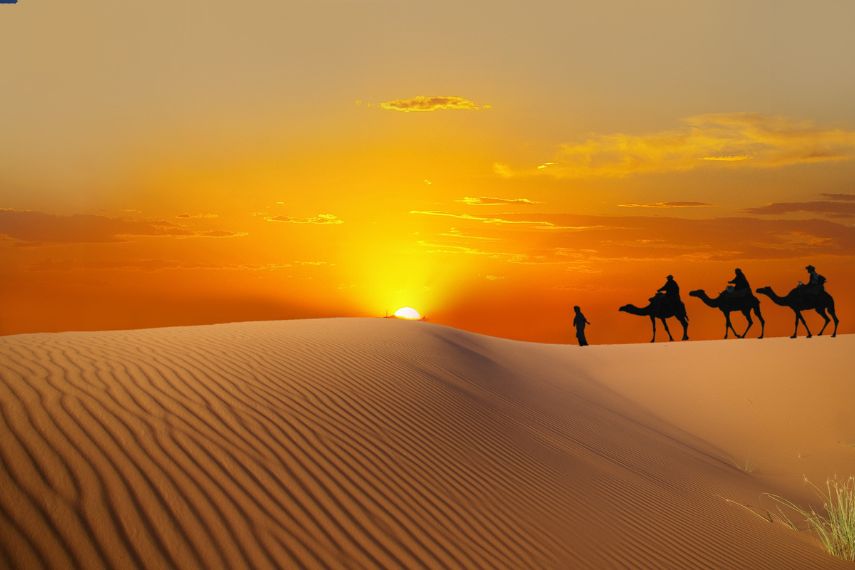
Determining the Best time to visit Morocco depends on weather comfort, travel goals, and budget. Most travellers agree that the dry season, from January to May, offers the best season to visit Morocco, with mild days ideal for cities, mountains, and desert tours. Reviewing Morocco’s weather by month shows spring brings warm sunshine without extreme heat. For those asking when to visit Morocco or when to go to Morocco, this period balances pleasant conditions and manageable crowds. It is also a smart window for value, since the cheapest time to go to Morocco often falls outside peak holidays for most travellers.
Cheapest time to visit Morocco
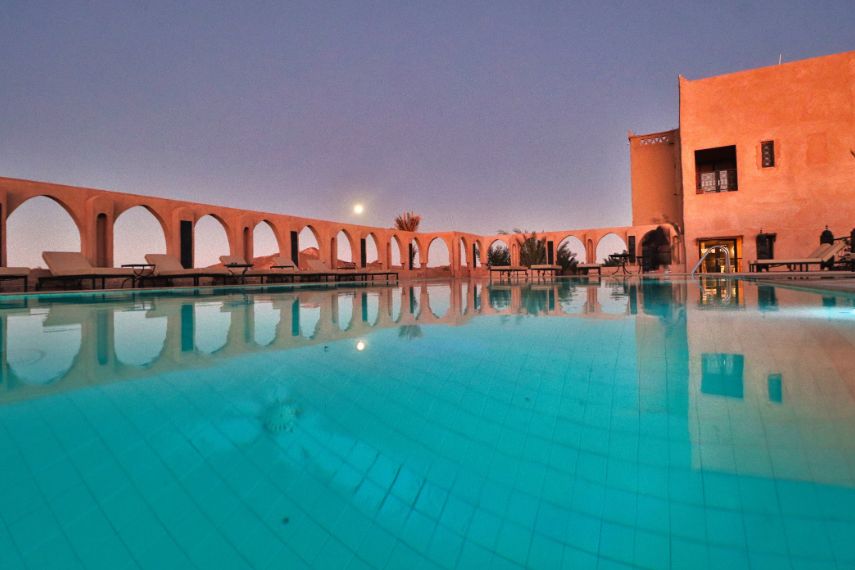
The cheapest time to visit Morocco is during the low season, from late summer to early winter, excluding holidays. August and November often offer the best value, with lower flight and hotel prices. Travellers who check the Morocco weather by month can still enjoy warm conditions while spending less overall.
Best time to visit Morocco for beaches
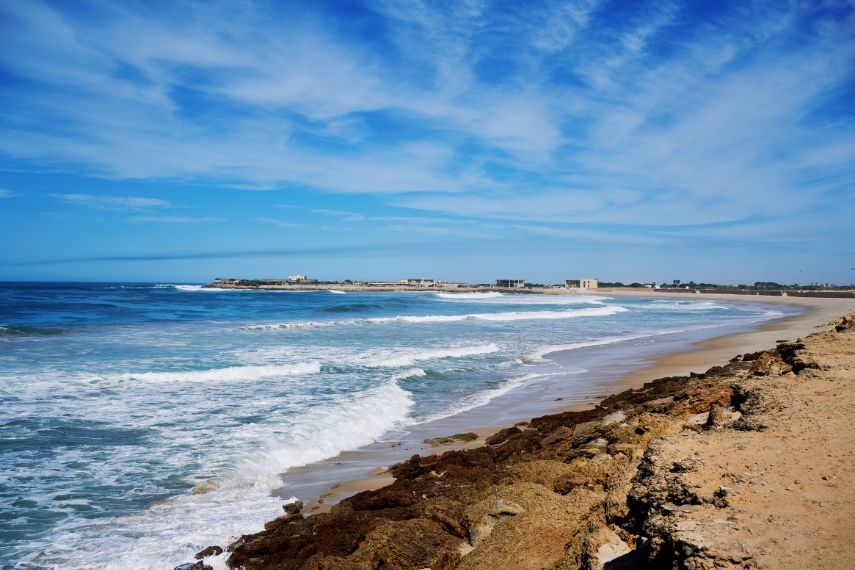
The best time to visit Morocco for beaches is late May to October, when coastal weather is warm, sunny, and dry. Atlantic breezes keep temperatures comfortable, ideal for swimming and surfing. June and September balance great conditions with fewer crowds and better prices, especially along Essaouira, Agadir, and Taghazout coasts.
Best time to visit Morocco for surfing
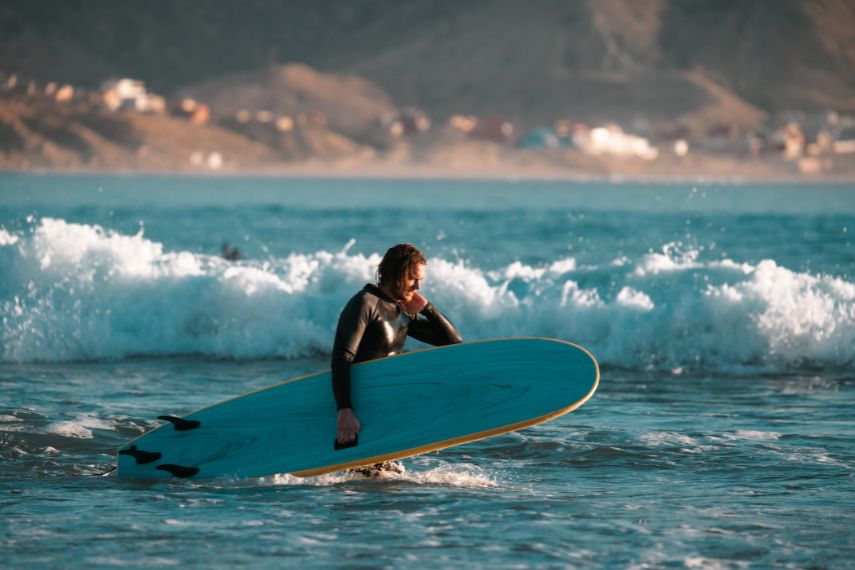
For surfers, the best time to visit Morocco is between October and March, when Atlantic swells are strongest and most reliable. Winter delivers powerful waves for experienced surfers, while autumn offers cleaner conditions and milder weather. Popular spots like Taghazout, Anchor Point, and Imsouane shine during this season.
Best Season to Visit Morocco
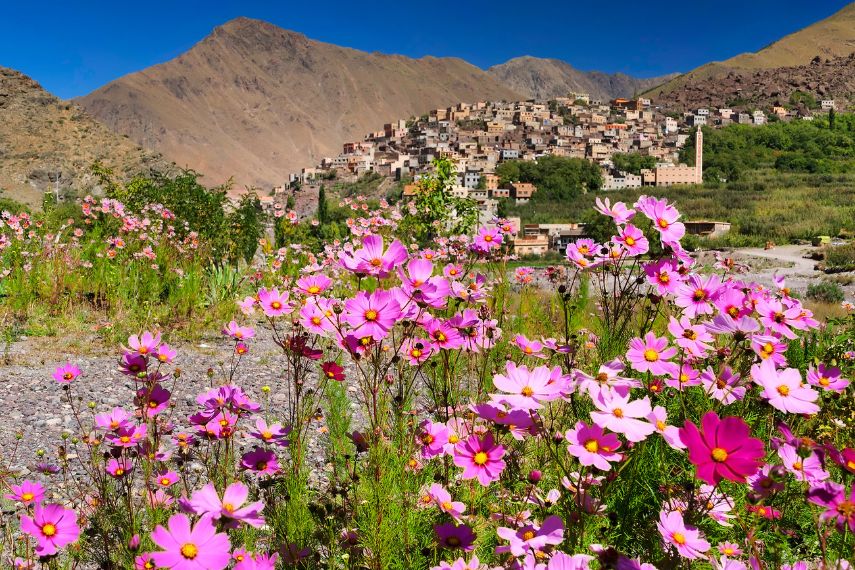
Spring and autumn are the best seasons to visit Morocco, offering pleasant temperatures and balanced conditions across the country. From March to May and September to November, travellers enjoy comfortable sightseeing weather, blooming landscapes, and fewer crowds, making it ideal for exploring cities, deserts, mountains, and coastal areas.
A Month-By-Month Guide To Visiting Morocco
Morocco in January
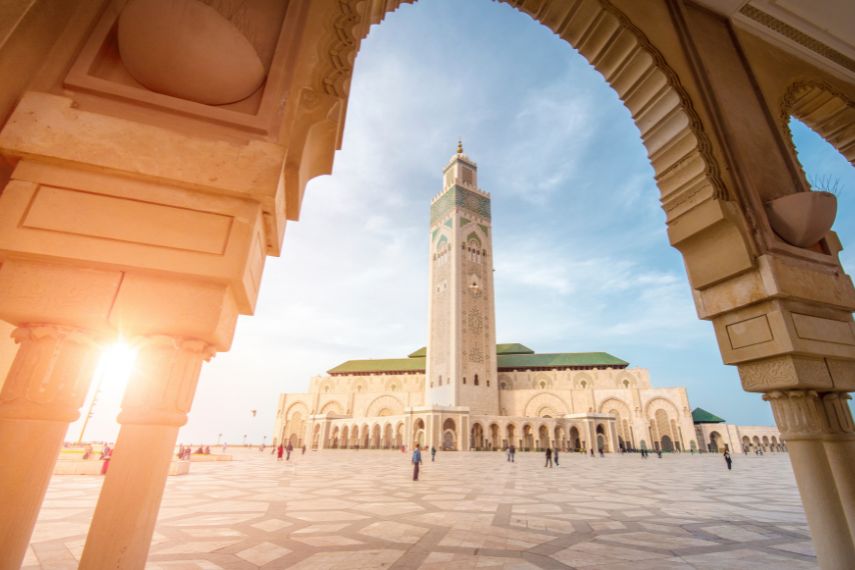
Cool, sunny days make January an excellent time to explore imperial cities such as Marrakech, Fes, and Meknes without intense heat, allowing relaxed walks through medinas, souks, and historic palaces. The Atlas Mountains are especially appealing, with snow-capped peaks ideal for skiing in Oukaimeden or scenic mountain retreats. While visiting here during the month, one can take desert tours to the Sahara, which are more comfortable, with mild daytime temperatures for camel trekking and stargazing. Coastal areas like Essaouira remain lively, offering fresh seafood, quiet beaches, and strong Atlantic winds that attract kitesurfers. Cultural experiences feel richer, as fewer crowds create space to enjoy hammams, traditional cuisine, and local festivals at a slower, more authentic pace.
Morocco in February
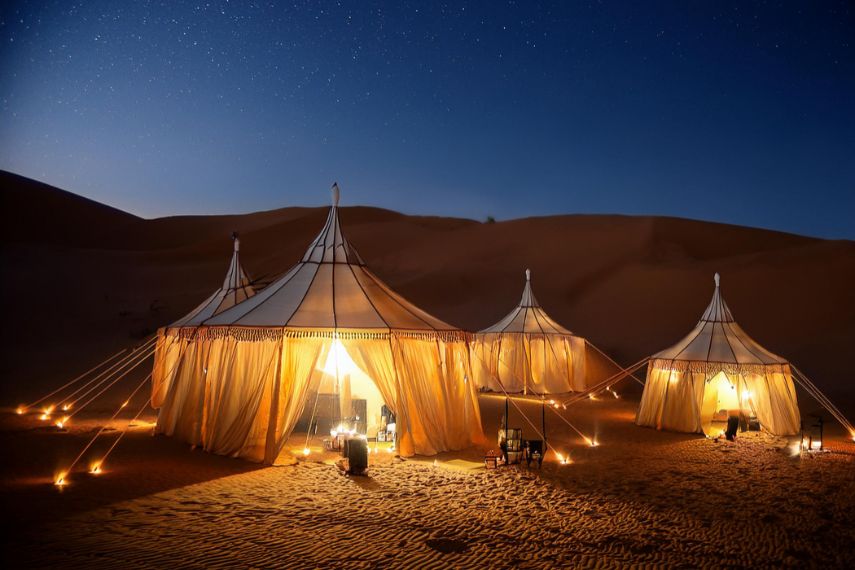
Mild temperatures and increasing daylight create ideal conditions for discovering historic cities, where medinas in Marrakech and Fes feel calmer and more immersive during February. The Sahara Desert remains comfortable for overnight camps, camel treks, and golden-sand sunsets without extreme heat. Snow still covers parts of the Atlas Mountains, making Oukaimeden attractive for winter sports and alpine scenery. Coastal towns such as Essaouira and Agadir offer fresh ocean air, dramatic waves, and peaceful beach walks, while surfers enjoy consistent swells. Almond trees begin to bloom in regions like Tafraoute, adding colour to landscapes and marking seasonal change. Cultural life continues at a relaxed pace, with traditional markets, hammams, and local cuisine enjoyed without peak-season crowds.
Morocco in March
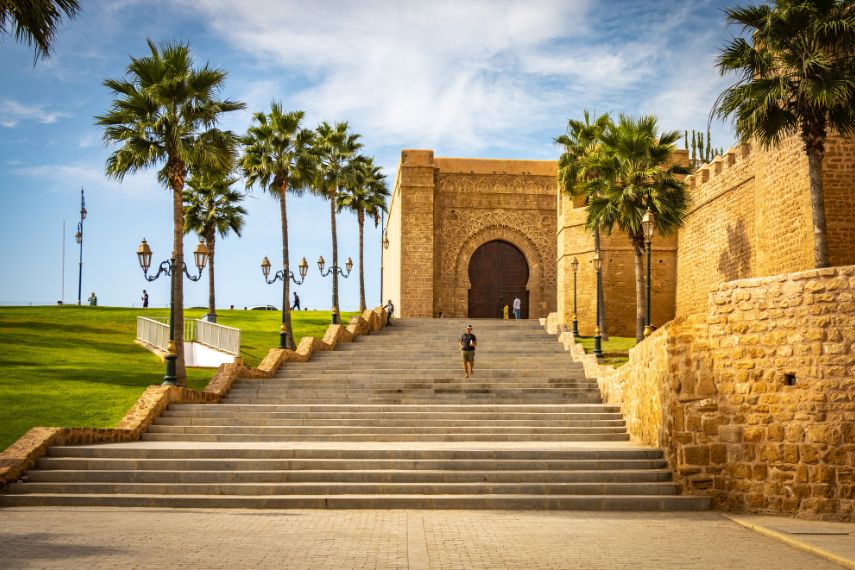
March brings in warmer days and blooming landscapes, making this a rewarding time to experience the country’s diversity. Historic cities such as Marrakech, Rabat, and Fes are comfortable for sightseeing, with pleasant temperatures for exploring medinas, gardens, and monuments. During the month, the mountain region begins to transition from winter to spring, offering scenic hikes alongside lingering snow views. Desert regions are still suitable for camel trekking and overnight camps before the summer heat arrives. Coastal destinations like Essaouira enjoy fresh sea air and vibrant cafés, while surfers continue to find good Atlantic swells. Rural valleys come alive with greenery, wildflowers, and traditional farming scenes, adding a colourful, seasonal charm to travel experiences.
Morocco in April
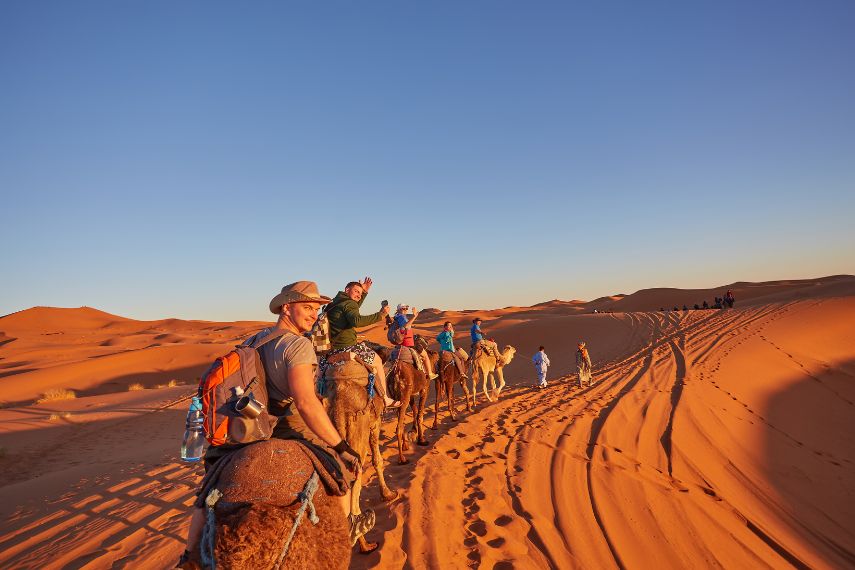
Visiting Morocco in April offers travellers a vibrant blend of comfortable weather, cultural richness, and natural beauty at its seasonal peak. Spring temperatures are ideal for exploring imperial cities, where medinas, gardens, and historic sites can be enjoyed without summer heat. The countryside feels especially alive, with green valleys, blooming flowers, and clear mountain views in the Atlas, perfect for hiking and scenic drives. Desert regions remain accessible, allowing memorable camel treks and overnight camps under mild skies. Along the coast, towns like Essaouira balance relaxed beach life with lively cafés and artistic energy. Festivals, outdoor markets, and open-air dining add to the atmosphere, giving visitors an authentic, well-rounded experience shaped by renewal and balance.
Morocco in May
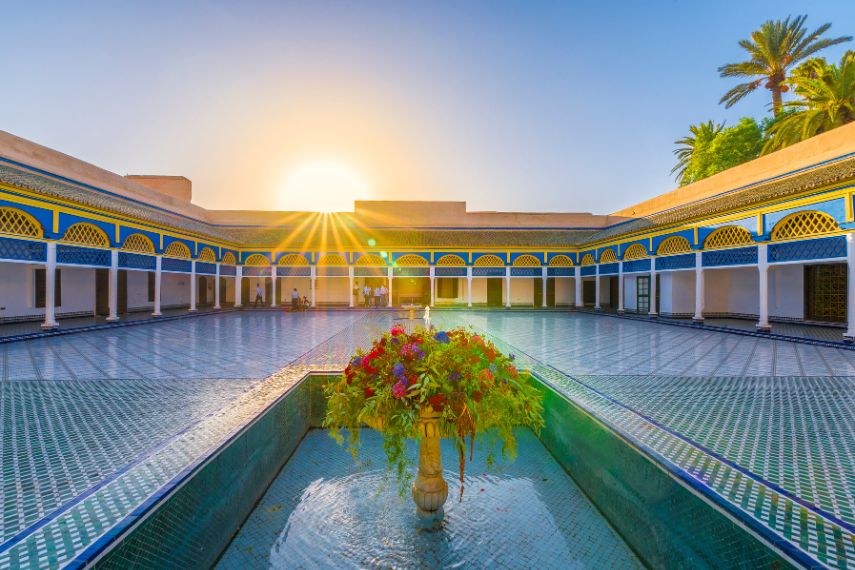
May brings a lively and celebratory atmosphere, shaped by warm but manageable temperatures and a growing calendar of events. Cultural festivals begin to animate cities and towns, with music, art, and local traditions taking centre stage, especially in larger cultural hubs. Agricultural regions celebrate harvest-related activities, and rural areas feel active with community gatherings and seasonal markets. Coastal cities enjoy longer, sunnier days, making seaside promenades and water activities more appealing. In the mountains, trekking conditions are excellent as trails fully open and villages become more accessible. Gardens and riads are at their most colourful, creating a relaxed setting for outdoor dining and evening strolls. Overall, the experience feels energetic yet balanced, combining cultural discovery, social events, and diverse landscapes without the intensity of peak summer crowds.
Morocco in June
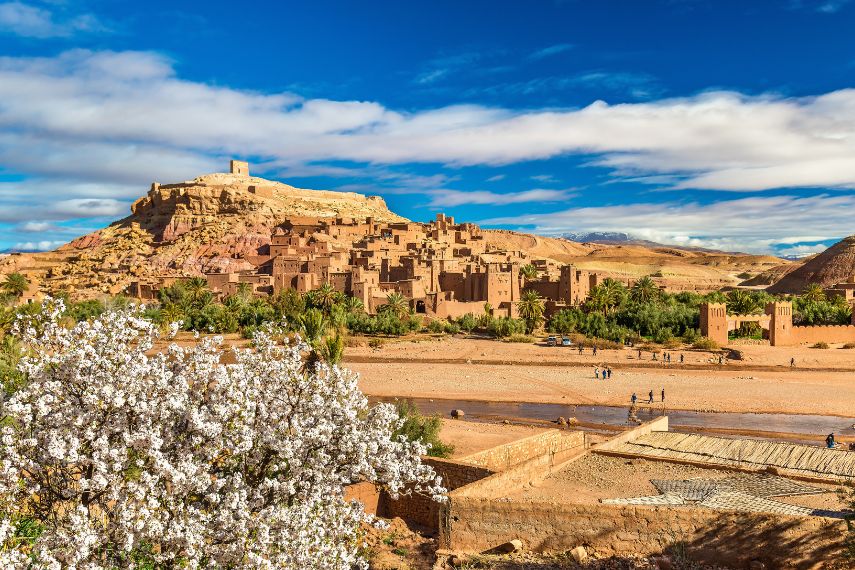
June in Morocco offers warm, sunny days and longer daylight hours, making it ideal for outdoor exploration and cultural experiences. Coastal cities like Essaouira and Agadir provide refreshing sea breezes, perfect for beaches, surfing, and watersports. Inland, imperial cities are lively with open-air markets, evening festivals, and traditional music performances. The Atlas Mountains offer excellent trekking and nature excursions before the intense summer heat sets in, while desert regions remain comfortable for early morning or late afternoon Sahara tours. Gardens, terraces, and riads are in full bloom, creating vibrant spots for relaxation, dining, and photography. The month balances adventure, culture, and scenic beauty.
Morocco in July
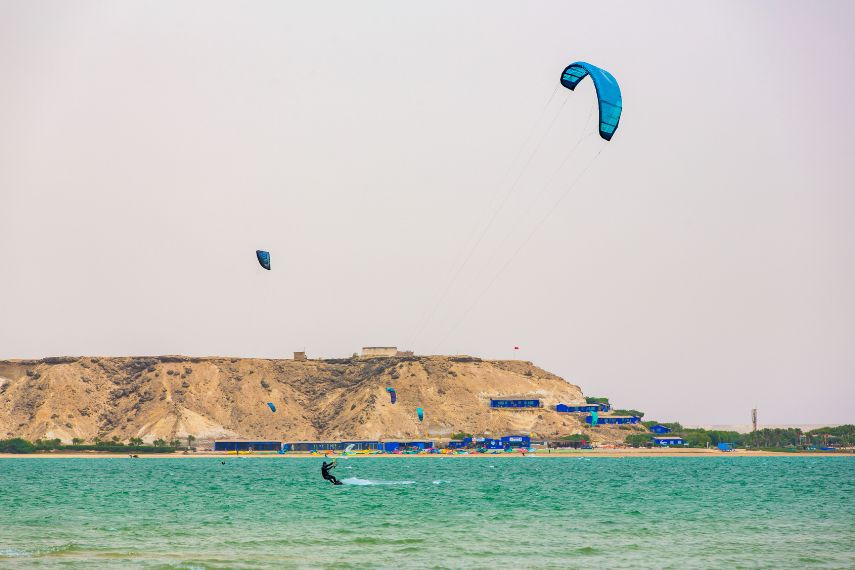
If you plan to visit Morocco in July, keep in mind that this month marks the summer season. You can enjoy sun-drenched days, offering a very different travel experience focused on coastal escapes, mountain retreats, and vibrant festivals. Atlantic beaches like Agadir and Essaouira become popular for swimming, surfing, and watersports, while coastal towns provide cooler relief from inland heat. The high-altitude landscapes offer a refreshing break, with hiking, trekking, and village visits amid crisp mountain air. Inland cities, including Marrakech and Fes, are hotter, encouraging travellers to explore early mornings, evenings, and shaded medinas. Traditional summer festivals and outdoor concerts add cultural richness, while desert regions are best enjoyed during sunrise or sunset excursions, offering striking Sahara landscapes without midday intensity. The overall experience balances energetic summer activity with opportunities for relaxation and scenic retreat.
Morocco in August
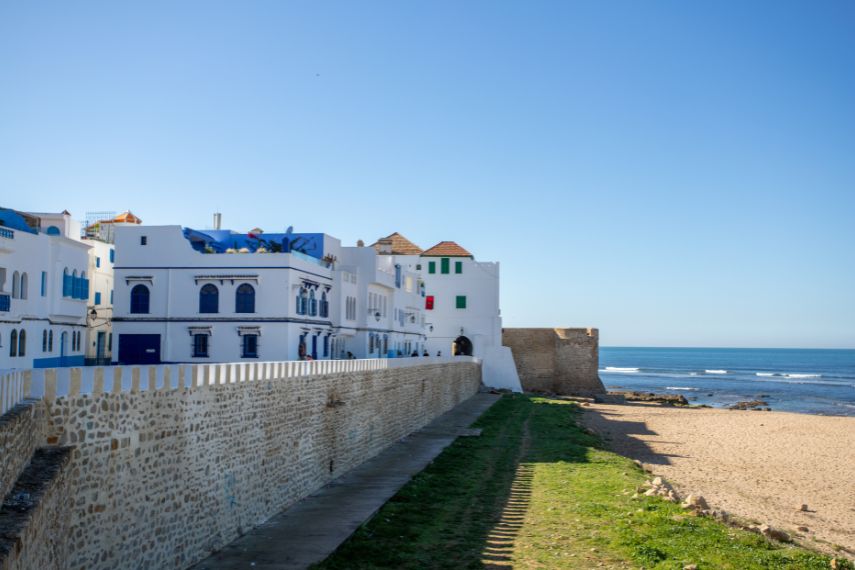
Visiting Morocco in August offers a dual experience of intense Saharan heat and refreshing Atlantic breezes. While inland imperial cities like Marrakech and Fes experience peak temperatures often exceeding 38°C (100°F), the atmosphere is far from stagnant. Travellers who adopt the “nomadic rhythm” exploring the intricate, shaded alleyways of the medinas at dawn and retreating to the poolside of a traditional riad during the midday sun- find a more relaxed, less-crowded version of these iconic hubs.
The coastal regions, however, truly come alive this month. In towns like Essaouira, Agadir, and Asilah, the Atlantic cooling effect keeps the air at a pleasant 25 to 28°C, making it the prime season for surfing, seafood dining by the port, and attending vibrant events like the Asilah Cultural Arts Festival. For those seeking nature, the High Atlas Mountains provide a temperate sanctuary for trekking between Berber villages. While the Sahara is often too scorching for daytime treks, the clear August nights offer some of the most spectacular stargazing of the year. Overall, an August trip is a sun-drenched, sensory-rich adventure that rewards those who prioritise the coast and the highlands.
Morocco in September
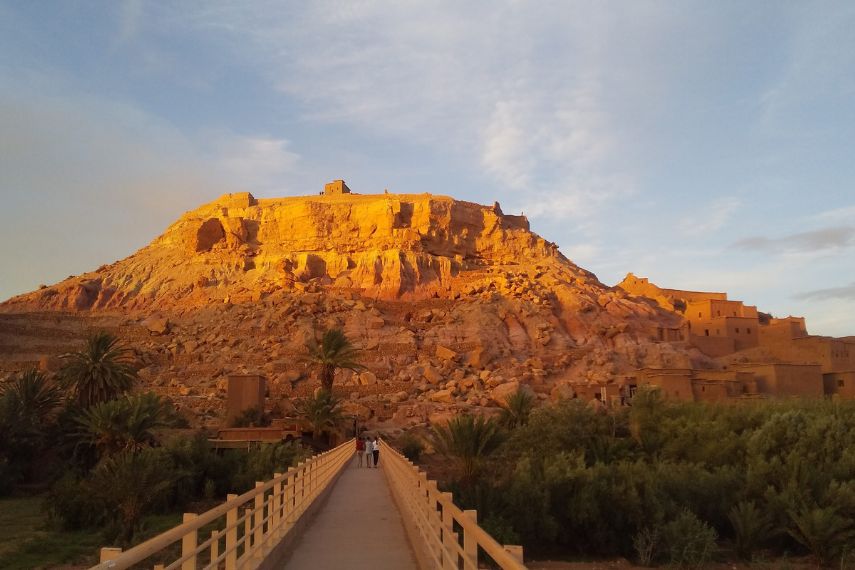
In September, Morocco undergoes a graceful transition as the fierce summer heat mellows into a golden, manageable warmth. This is the “shoulder season” sweet spot, where the country begins to breathe again. Inland imperial giants like Marrakech and Fes see temperatures dip to a comfortable 30 to 33°C, making the labyrinthine medinas and architectural wonders like the Bahia Palace far more enjoyable to traverse on foot without the heavy August humidity.
The experience is defined by a sense of balance and cultural harvest. Travellers in September often find themselves in the midst of unique regional celebrations, such as the Imilchil Marriage Festival in the Atlas Mountains or the Tanjazz Festival in Tangier. It is also the season of abundance; souks overflow with fresh dates, figs, and pomegranates. For desert enthusiasts, the Sahara becomes accessible once more; while days remain hot, the evenings are crisp and perfect for luxury glamping under a canopy of stars. With the heavy summer crowds departing, you gain a more intimate connection with the local hospitality, finding shorter lines at landmarks and a more peaceful atmosphere in the country’s iconic blue and red cities.
Morocco in October
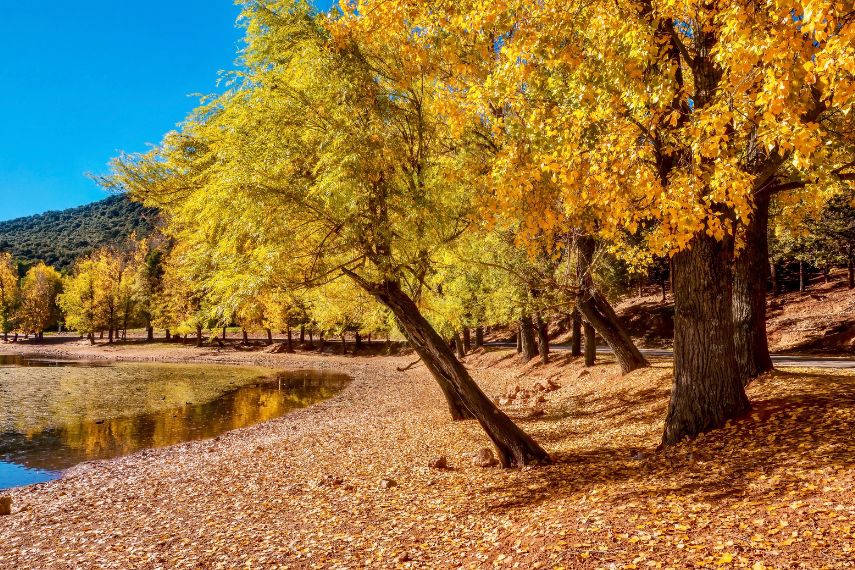
With autumn’s arrival, you can get to see a profound shift as the landscape transitions into a season of abundance and temperate clarity. By this time, the searing Saharan heat has retreated, replaced by daytime highs of 28°C that make the golden dunes of Erg Chebbi far more inviting for sunset camel treks and nights spent under a crystal-clear celestial canopy. The air in the High Atlas Mountains turns crisp and invigorating, offering the year’s finest conditions for hiking between remote Berber villages where the walnut and almond harvests are in full swing.
Cultural life flourishes during this window, notably in the desert town of Erfoud, where the Date Festival celebrates the harvest with rhythmic percussion and traditional dancing. On the coast, the Atlantic winds provide a steady hum for surfers in Taghazout, while the historic medinas of Marrakech and Fes shed their summer humidity, allowing for a slower, more deliberate exploration of their intricate tilework and spice-scented souks. It is a period of sensory richness, where the light turns soft and honey-hued, making it an unrivalled time for photography and outdoor dining on moonlit rooftops.
Morocco in November
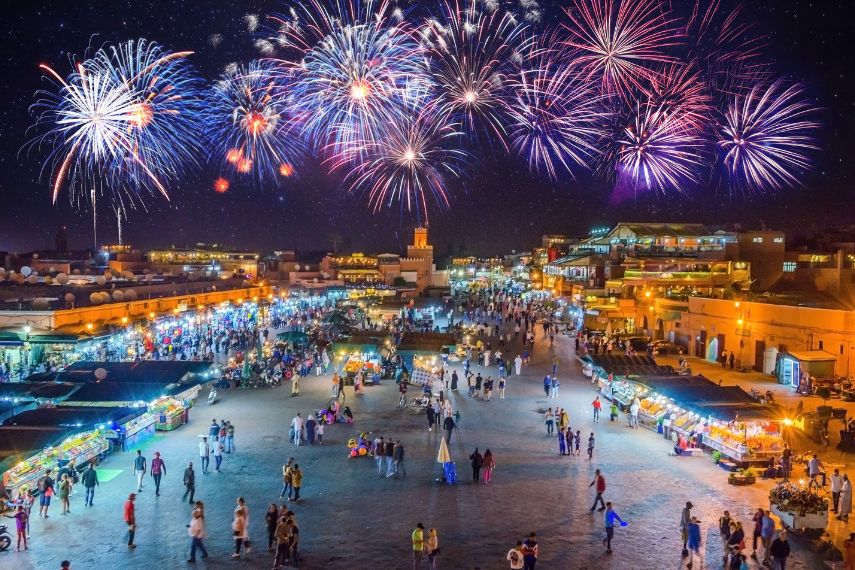
The arrival of November brings a refreshing clarity to the air, making it an ideal time for travellers who prefer mild days and a more local, relaxed pace. With temperatures hovering around 21°C, the coastal cities and northern valleys shed their humid summer haze, while the high peaks of the Atlas Mountains begin to hint at the coming winter. This month is particularly significant for the nation’s identity, as the entire country celebrates Independence Day on November 18th. Visitors during this time will see cities draped in red-and-green flags and can witness vibrant street parades, traditional folk dances, and local festivities that commemorate the end of colonial rule and the return of the monarchy.
In the southern desert regions, the cooling climate makes the sands of the Sahara accessible throughout the day. Near the palm groves of Erfoud, you might still catch the tail end of the high-spirited Date Festival, where the harvest is celebrated with traditional music and communal feasts. Meanwhile, Marrakech transforms into a global cultural hub during the Marrakech International Film Festival (scheduled for November 20 to 28, 2026), attracting world-renowned directors and actors for screenings in historic venues and even open-air displays in the Jemaa el-Fnaa square.
Morocco in December
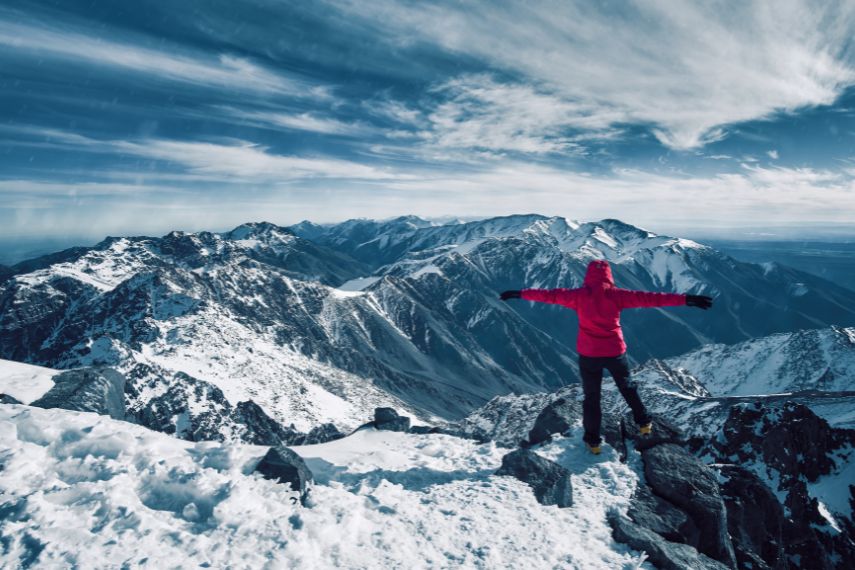
Winter brings a cool, revitalising energy to the North African landscape, creating a season of dramatic contrasts and cosy evenings. In the High Atlas, the peaks are often draped in fresh snow, offering a surprising “Alpine” experience at resorts like Oukaimeden, while the Sahara remains pleasantly temperate during the day, perfect for exploring the dunes without the heat of summer.
While not a traditional holiday in the local sense, the end of the year is marked by a unique cultural fusion. Early in the month, the Tan-Tan Moussem (recognised by UNESCO) gathers more than thirty nomadic tribes from across the desert for a spectacular display of Saharan heritage, featuring camel races, rhythmic poetry, and the thrilling Tbourida, a traditional equestrian display of synchronised musket fire.
Conclusion
The ideal time to visit depends on your personal rhythm, though the shoulder seasons of spring and autumn offer the most harmonious experience nationwide. During these months, the blistering desert sun retreats and the mountain air turns crisp, providing the perfect backdrop for cultural immersion and outdoor adventure. Whether you are drawn to the vibrant harvests of October or the refreshing Atlantic breezes of May, each season reveals a unique and captivating facet of this diverse land.


No Comments on Discover the Best Time to Visit Morocco in 2026