


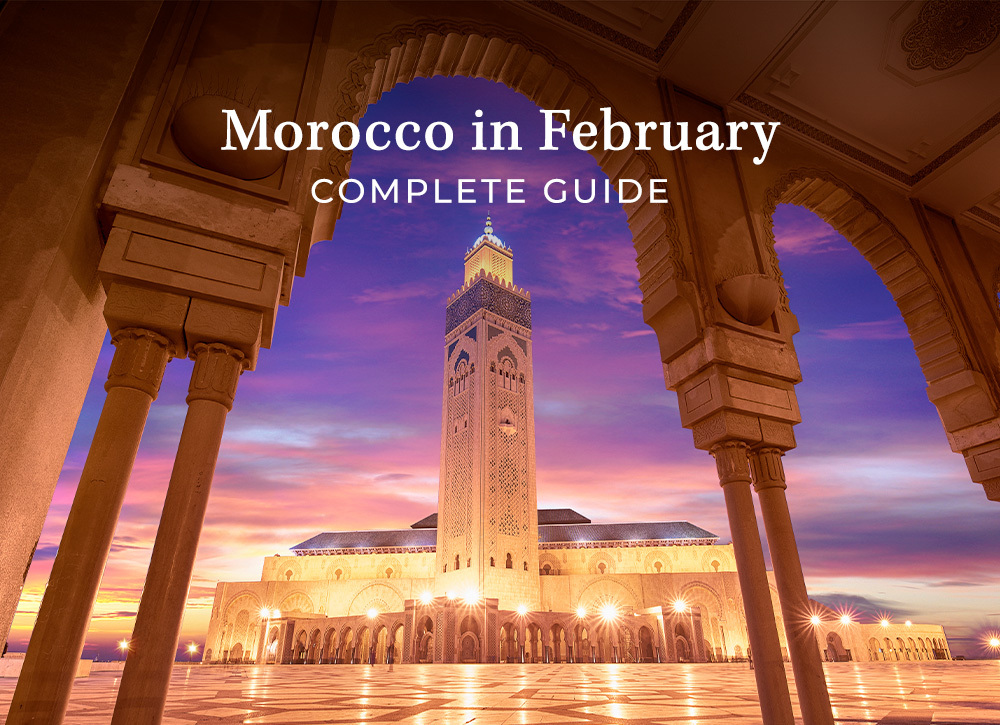
If you are planning a Morocco trip in 2026, you are right on time. There is a kind of magic that settles over the country in the month of February, offering a chance to discover Morocco’s rich culture without battling the intense summer heat or the peak-season crowds. February marks the end of winter in Morocco. It brings along pleasant, mild weather across most regions. So, Morocco in February presents a great time to visit, promising an escape from the biting damp of the UK.
In the capital city Rabat, and other imperial cities, daytime temperatures usually range 15°C to 22°C, while the southern oases bask in bright winter sunshine. In the north, you might encounter a crisp 14°C morning, making it chilly but still bearable.
The country is set for a tourism boom in 2026, thanks to its unique blend of cultural richness and varied landscapes. Whether you are eyeing Marrakech weather for a desert trek or strolling the historic, sun-warmed streets of Fes, Meknes, and Rabat, these spots truly come alive in February. A trip to Morocco in this season brings pure luxury, warm balmy days, and genuine moments that stay with you long after you are back home.
Is February a good time to visit Morocco in 2026?
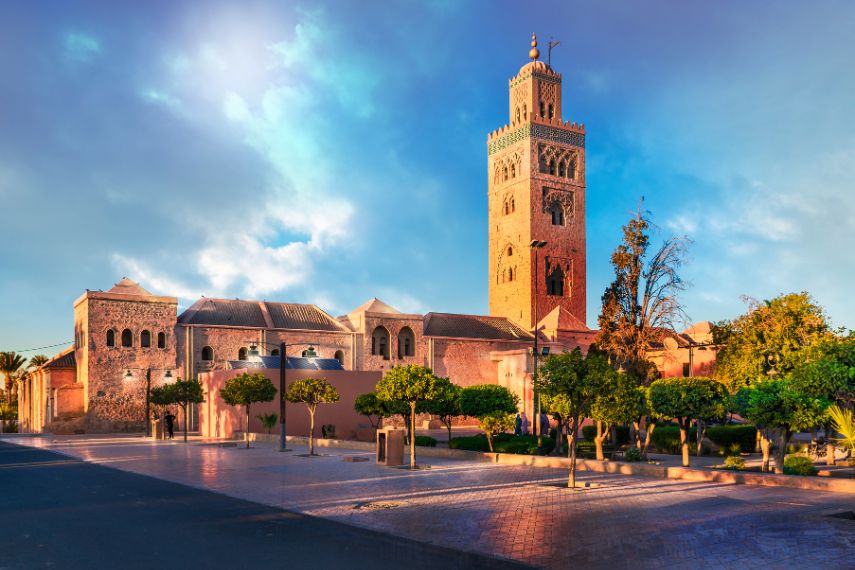
It is absolutely the best idea to visit Morocco in the month of February. It is a secret window of time where the kingdom belongs to the curious, not the crowds. You can wander sun-drenched medinas in Marrakech (around 21°C) or Fes without the intense summer heat. Imagine catching world-class Atlantic swells in Taghazout by day and sharing sunset mint tea in the Sahara as the air turns crisp and cool, perfect for stargazing before the desert furnace ignites.
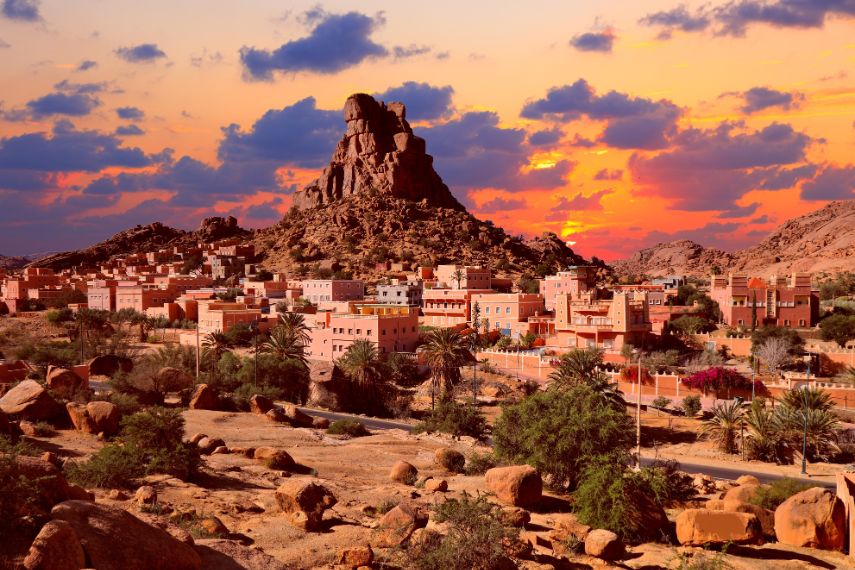
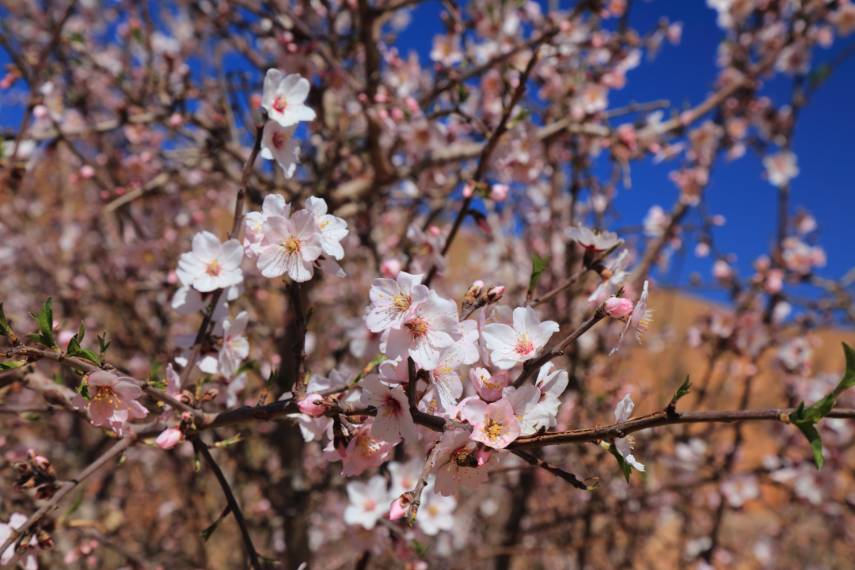
In February, you will witness the dramatic, snowy Atlas peaks contrasting with the pink almond blossoms of Tafraoute, where the mid-February Almond Blossom Festival invites you to savour “Berber Pizza” and local sweets. Starting on 17th February, the spiritual serenity of Ramadan adds a unique cultural layer with the moon rising and cities sparkling to life with nightly festivities. With lower costs of flights, sustainable luxury options of hotels, and a quiet, authentic charm, February is undeniably the best time to experience Morocco’s revival.
Weather in Morocco in February 2026
In February, Morocco finally shakes off the last of the winter chill and settles into a gentle “second spring.” It is a great escape from the grey UK drizzle, offering a solid six to eight hours of sunshine every day. This gives you plenty of time for exploring without having to hide from the blistering heat you would find in the summer months. Across the country, daytime temperatures sit in the sweet spot between 15°C and 22°C. However, you will quickly notice it is a three-season day. While you might be in a t-shirt by lunch, the mercury can tumble to between 5°C and 13°C once the sun goes down, so a warm jumper is a must.
The north sees little rainfall, with cities like Rabat, Casablanca, and Fes receiving around 50 to 77 mm over the month. These are usually just short and refreshing showers. Meanwhile, the south stays beautifully dry, which is perfect for a quiet trek through the Sahara or catching waves on the coast.
What to Wear in Morocco in February 2026?
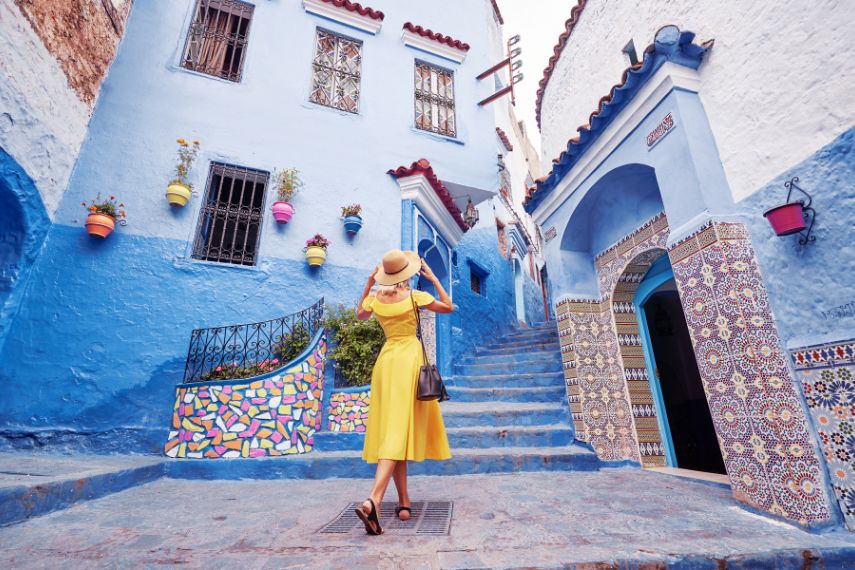
Packing for Morocco in February is all about mastering the art of the “three-season” day. While the winter sun is beautifully mild, the temperatures can swing dramatically from a t-shirt-worthy day at lunch to a chilly evening after sunset as the Moroccan weather can be unpredictable from October through February. For both men and women visiting the country in February 2026, the secret is layering with modest, breathable fabrics like cotton or linen.
In vibrant cities like Marrakech or Fes, dressing respectfully means keeping your shoulders and knees covered, a practice that becomes even more important as Ramadan begins mid-February. Whether you are a man or a woman, a versatile scarf is your ultimate travel companion. It is a quick fix for modesty at religious sites, a shield against the Atlantic winds in Essaouira, and essential sun protection in the dunes.
For Women:
-
- Footwear: Comfortable, closed-toe walking shoes or trainers are a must for navigating uneven cobbled streets.
- Tops & Bottoms: Pack long-sleeved tunics, maxi skirts, or loose-fitting trousers. These are perfect for keeping cool during the day and warm as the evening chill sets in.
- Evening Wear: A medium-weight jacket or a stylish trench coat is ideal for dinner in Morocco’s historic old towns or traditional city centres.
For Men:
-
- Tops & Bottoms: Stick to chinos, lightweight trousers, and a mix of short and long sleeved collared shirts or polo shirts.
-
- Evening Wear: A jumper, fleece, or a smart-casual jacket will keep you comfortable when temperature drops.
-
- Footwear: Sturdy trainers or loafers work best for city exploration.
Adventure Essentials:
If you are heading to the Sahara or the Atlas Mountains, do not be fooled by the daytime sunshine. Nights can drop near freezing, so you will require 2 to 3 layers to keep warm. You can consider options like a warm puffer jacket, thermal base layers, a woolly hat, and thick socks.
Visitor Arrivals: Is Morocco Crowded in February?
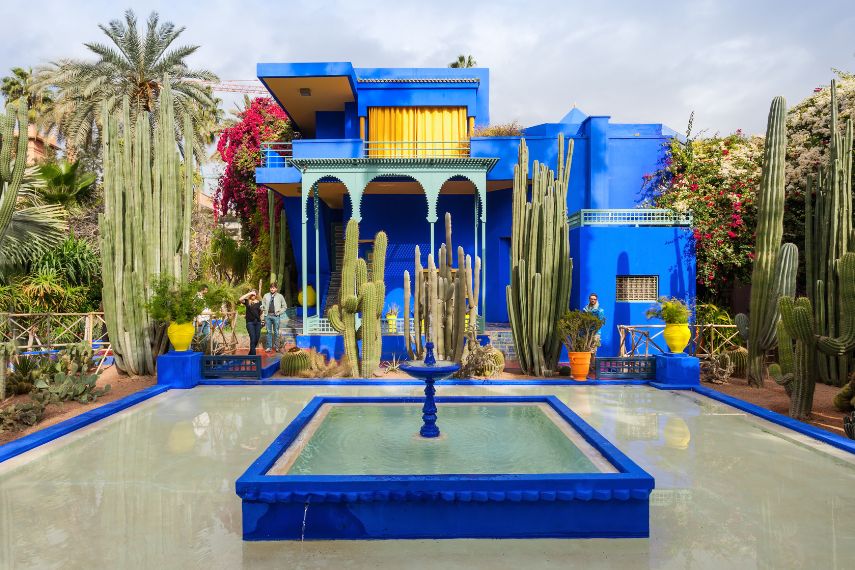
While the rest of the world for the spring and summer season, you will find Morocco in its quietest and most soul-stirring state in February. It is a best-kept secret of the shoulder season, where the frantic energy of the summer heat is replaced by a calm, authentic pulse. You can explore the Jardin Majorelle without the long queues and find a prime rooftop spot in Marrakech just in time for sunset.
In big cities like Casablanca and Rabat, the usual tourist rush settles into a slower, more authentic rhythm, making it easy to grab a mint tea and actually get to know the people around you. Even the Sahara feels like a private escape. The desert camps offer a level of quiet and intimacy you just won’t find during the busy season. While surfers still flock to Taghazout for those famous winter waves, the rest of the country feels wonderfully calm. It is the ideal time to see the real Morocco, where the only thing you will be competing with is the breathtaking view of the snow-capped Atlas Mountains.
Average Costs of a Trip to Morocco in February
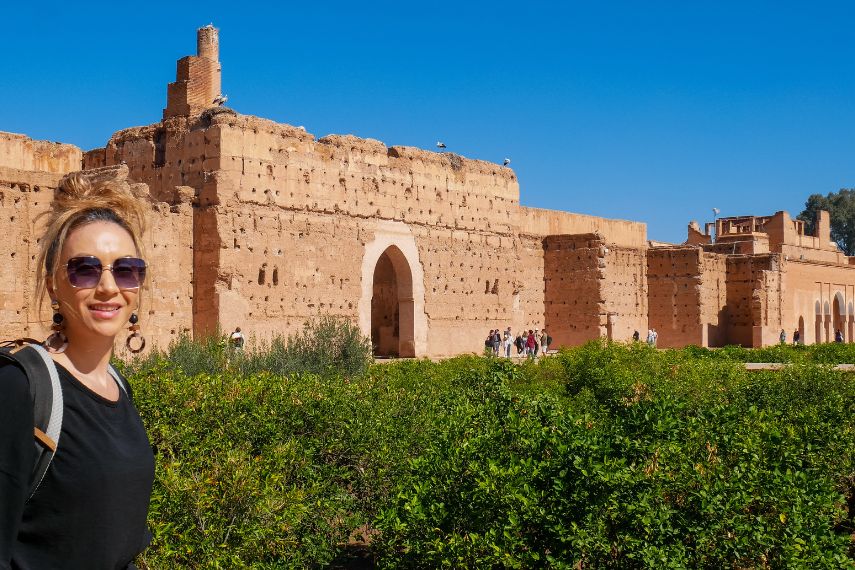
February is widely considered the low-cost season for Morocco, making it the perfect time for you to secure a bargain. Since February sits outside the peak Spring and autumn windows, you can often enjoy luxury experiences for a fraction of the usual price.
-
- Airfare: Direct return flights from London to hubs like Marrakech or Agadir can be incredibly cheap in February. You can book in advance with budget-carriers like easyJet or Ryanair to find seats for £150–£250, whereas last-minute or flexible mid-range options usually cost £250–£400.
-
- Hotels & Resorts: This is where you save the most money. High-end riads and fancy boutique hotels often drop their prices by 20% to 40% because there are fewer tourists. You will find plenty of charming, mid-range places for about £40–£80 for a night, which usually gets you a lovely room in a great location.
-
- Transfers: Local transport remains affordable and reliable. Budget around £5–£10 a day for city buses and petit taxis. For longer trips or private airport transfers, expect to pay £10–£20, with far more room for negotiation during this quieter month.
Overall, a mid-range traveller can enjoy a week-long Moroccan adventure for roughly £990, including flights and activities.
Things to Do in Morocco in February
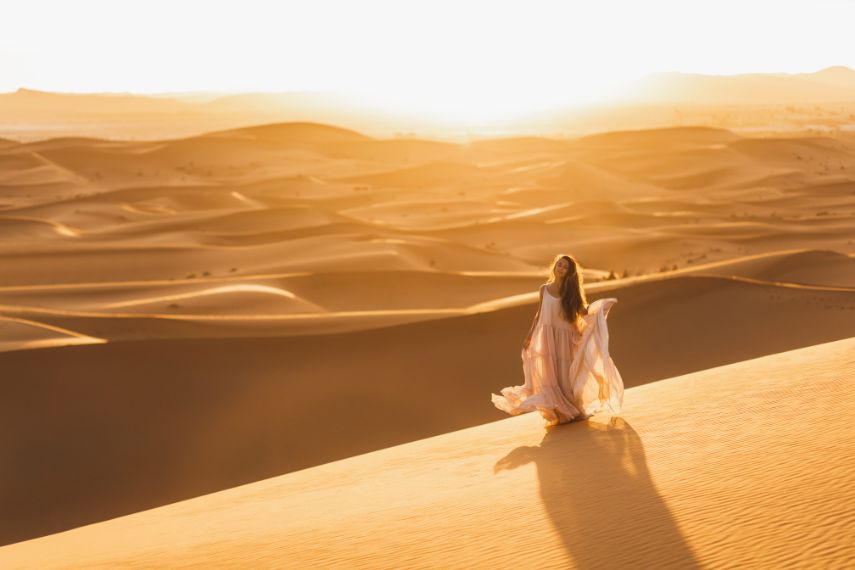
February in Morocco is a dream for those who want to see the Atlas Mountains and the golden Sahara in the same holiday. Since the intense summer heat is months away, you can spend your days in an active adventure, moving from the snow-covered peaks of the Atlas to the breezy Atlantic surf without breaking a sweat. It is the month of high-contrast landscapes, where you can photograph the terracotta walls of Marrakech against a backdrop of glistening white mountains.
In the High Atlas, the air is at its crispest. For seasoned hikers, trekking the snow-dusted trails near Mount Toubkal offers a rewarding challenge with crystal-clear visibility that you simply don’t get in the hazy summer. If you prefer a faster pace, head to Oukaïmeden, Africa’s highest ski resort, for a quirky and unforgettable day on the slopes. Meanwhile, over on the Atlantic coast, February brings the most consistent swells of the year to Taghazout and Agadir. The area is a global magnet for surfers, but even if you aren’t catching waves, the mild 20°C weather is perfect for lazy seafood lunches by the blue-and-white harbour of Essaouira.
For a true bucket list moment, head into the Sahara. February’s mild temperatures make 4×4 sand-dune safaris and camel treks incredibly comfortable. As the sun sets, the desert air turns cold, creating the perfect environment for a night around a crackling Berber campfire under the most vivid, star-heavy sky you will ever see.
Don’t miss out on experiencing the authentic Berber hospitality with a bread-making workshop in the snowy Atlas foothills, or explore the Roman ruins of Volubilis as spring wildflowers begin to bloom. For a unique treat, head to Oualidia for fresh oysters, peaking in season and perfect for a serene lagoon picnic.
| Things to Do in Morocco in February | |
| 1. Stargazing in the Sahara | 2. Snow Trekking in the High Atlas |
| 3. Winter Surfing in Taghazout | 4. Hot Air Ballooning over the Agafay Desert |
| 5. Skiing and Snowboarding at Oukaïmeden | 6. Camel Trekking across the Golden Dunes |
| 7. Visiting the Roman Ruins of Volubilis | 8. Sandboarding at Erg Chebbi |
| 9. Traditional Moroccan hammam and spa scrub | 10. Private Moroccan cooking class in a traditional riad |
| 11. Horse Riding along the Agadir Beach | 12. Walking the Ramparts of Essaouira |
| 13. Exploring the Caves of Hercules in Tangier | 14. Wildlife Spotting in Souss-Massa National Park |
| 15. Boat Ride at Ouzoud Waterfalls | 16. 4×4 Off-Road Safari through the Dades Valley |
Best places to Visit in Morocco in February
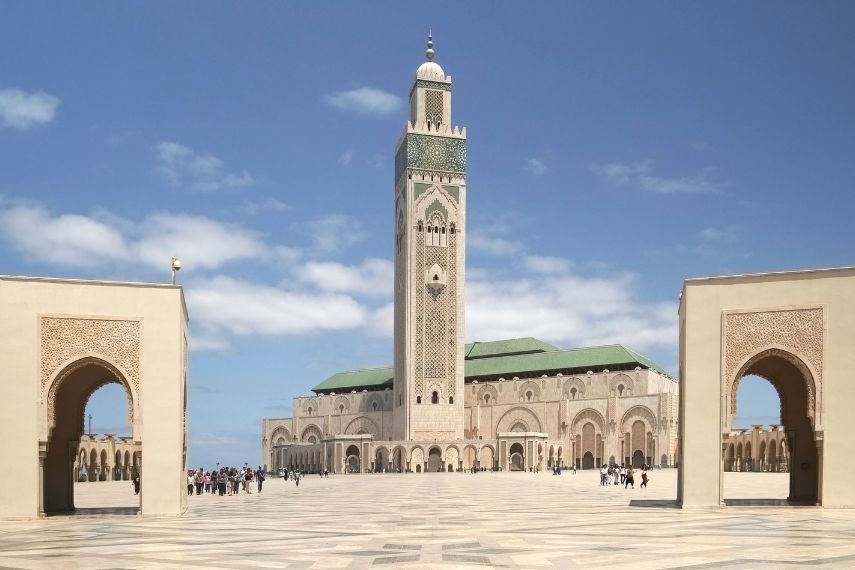
February is a month of quiet magic in Morocco. It allows you to experience the kingdom’s ancient soul without the bustling crowds of spring and summer. A primary highlight is the Hassan II Mosque in Casablanca, which is one of the few mosques one to non-Muslims. Its 210-metre minaret and ocean-side location are breathtaking in the clear winter. In Marrakech, the 12th-century Koutoubia Mosque stands against a backdrop of the snow-capped Atlas Mountains, while the Al-Qarawiyyin in Fez remains a cornerstone of spiritual and academic history within the world’s largest car-free medina.
Morocco also boasts an incredible array of UNESCO World Heritage Sites that are best explored in the mild February sun. You can wander the ancient medinas of Fez, Marrakech,Tétouan, and Essaouira, or explore the historic city of Meknes and the Archaeological Site of Volubilis, where Roman ruins meet wild spring wildflowers. The capital, Rabat, is recognised as a UNESCO Modern Capital and Historic City, housing the iconic Hassan Tower and the Kasbah des Oudaias. Along the coast, the Portuguese City of Mazagan (El Jadida) and the warm retreats of Agadir and Taghazout offer sun-drenched promenades and world-class surfing. For those seeking natural phenomena, Ksar of Ait-Ben-Haddou provides a stunning example of earthen architecture on the edge of the Sahara.
| Places to visit in Morocco in February | |
| 1. Casablanca (Hassan II Mosque) | 2. Marrakech (The Medina and Koutoubia Mosque) |
| 3. Fez (Fes el-Bali) | 4. Rabat (Hassan Tower and Kasbah des Oudaias) |
| 5. Meknes (Imperial gates and ruins of Volubilis) | 6. Ait-Ben-Haddou (Ksar and Saharan gateway) |
| 7. Chefchaouen (Outa el-Hammam Square, Spanish Mosque) | 8. Tétouan (Andalusian-influenced architecture) |
| 9. El Jadida (Portuguese City of Mazagan) | 10. Agadir (Agadir Marina, Souk El Had, Oufella Ruins) |
Best Festivals to Attend in Morocco in February 2026
Visiting Morocco in February 2026 is a truly special experience because you get to see two completely different sides of the culture at once. Around mid-February, Ramadan begins and the whole country takes on a different rhythm. The mornings are very peaceful, making it the best time to wander through the ancient streets with your camera without the usual crowds. However, as soon as the sun goes down, the energy shifts completely. You will hear the call to prayer and see families gathering for “Iftar,”as the smell of fresh Harira soup and honey-drenched pastries fills the air.
At the same time, if you head toward the village of Tafraoute in the mountains, you will catch the Almond Blossom Festival. It is a stunning sight where the rocky landscape is suddenly covered in soft pink and white flowers. It is a local harvest party full of Berber music and dancing, and it feels much more authentic than your typical tourist shop.
For a touch of modern culture, you can also attend the 1-54 Contemporary African Art Fair in Marrakech. It is a leading event dedicated to showcasing incredible works from Africa and its global diaspora. It is the perfect month to see the country wake up in such a beautiful, spiritual, and creative way.
| Event | Timeline | Location |
| Almond Blossom Festival | Second week of February | Tafraoute |
| Ramadan | Feb 18 – March 19, 2026 | Worldwide |
| 1-54 Contemporary Art Fair | Feb 5– Feb 8, 2026 | Marrakech |
Where to Stay in Morocco in February
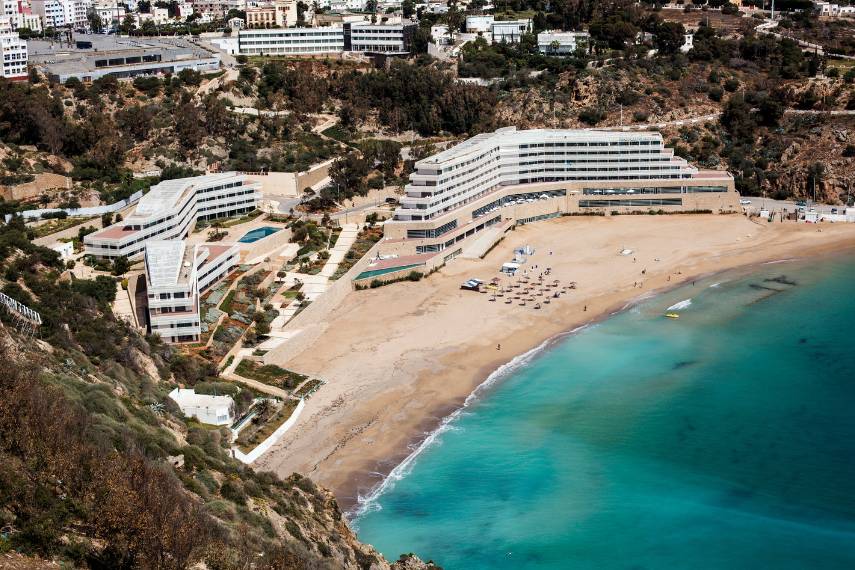
In February 2026, finding the right place to stay in Morocco is all about chasing the winter sun while enjoying the country at its most peaceful. Since it is the low-cost season, your money goes a lot further, making it the perfect time to splurge on a bit of luxury without the peak-season price tag.
For the best weather, head to the Atlantic coast around Agadir and Taghazout. You will get those lovely, balmy afternoons that are just right for a long walk on the beach or a lazy lunch by the pool. If you prefer the buzz of the city, Marrakech feels more intimate this time of year. You can wander the souks without the summer heat, then head back to a traditional riad to warm up by a real log fire as the evening air turns crisp.
For something truly unique, the Agafay Desert offers high-end eco camps where you can sleep under the stars just an hour from the city. If you want a real, hidden gem, the lagoon at Oualidia is a total sanctuary, famous for its fresh oysters and incredibly calm and misty mornings.
The following recommended stays give you a much more authentic, slow-paced side of Moroccan hospitality:
| Best Areas | Recommended Stays |
| Marrakech (Medina) | La Maison Arabe |
| Marrakech (Luxury) | Royal Mansour |
| Agafay Desert | Caravan by Habitas |
| Taghazout Bay | Fairmont Taghazout |
| Oualidia (Coast) | La Sultana Oualidia |
| Fez (Medina) | Hotel Sahrai |
| High Atlas | Kasbah Angour |
What to Eat in Morocco in February 2026
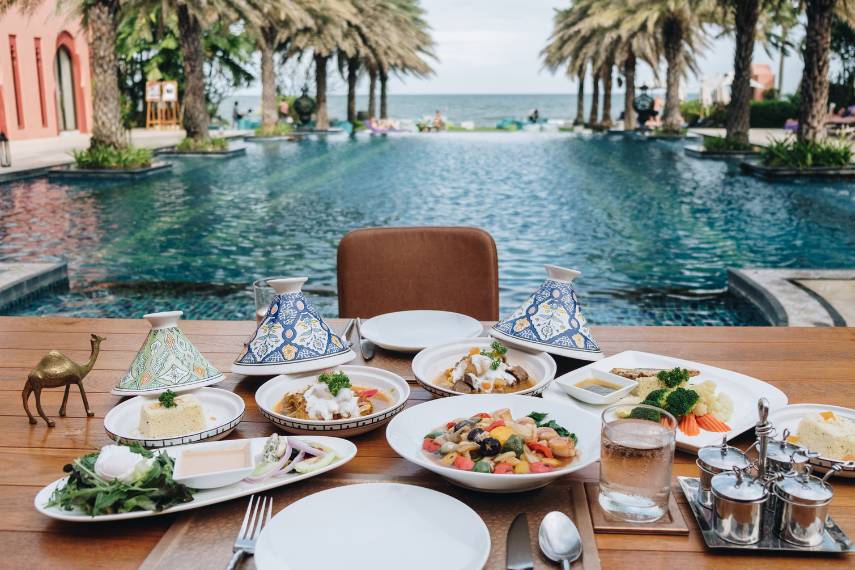
Eating in Morocco in late winter is like receiving a long, culinary hug. When the air turns crisp in Marrakech, sit on a rooftop restaurant in the city, wrapped in a soft wool shawl, and dip crusty bread into a steaming bowl of Bissara, a velvety fava bean soup that is the ultimate local secret for chasing away the morning chill. In the south, the valleys around Tafraoute wake up in a spectacular cloud of pink and white as the almond trees bloom. This is the only time of year you can experience the Almond Blossom Festival in its full glory. You will taste Amlou, a decadent Moroccan Nutella made from freshly harvested almonds, argan oil, and honey, often served warm with stone-baked bread. From the citrus-heavy stalls of the Jemaa el-Fnaa to the rich, slow-cooked tagines of Fes, February is a month for slow food, crackling fires, and the freshest winter oranges you will ever taste.
| Dish | Description | Where to Try the Dish |
| Bissara | Creamy fava bean soup with cumin and olive oil. A winter breakfast staple. | Baissara Ansara, Chefchaouen (Famous for its budget-friendly bowls) |
| Harira | Hearty tomato, lentil, and chickpea soup; spicy and warming. | Chegrouni, Jema el-Fnaa |
| Amlou | Toasted almond, honey, and argan oil dip. Peak season in Feb. | Tafraoute Markets (Look for artisanal stalls during the festival) |
| Lamb Tangine | Slow-cooked lamb with prunes and toasted almonds. | Al Fassia Guéliz, Marrakech |
| Méchoui | Pit-roasted lamb that falls off the bone. | Méchoui Alley, Marrakech |
| Pastilla | A sweet and savoury pigeon or chicken pie with flaky pastry. | Dar Hatim, Fes |
| Sfenj | Traditional Moroccan doughnuts, best eaten hot from the fryer. | Any street stall in the Fes or Marrakech medinas |
What to Pack in Morocco in February
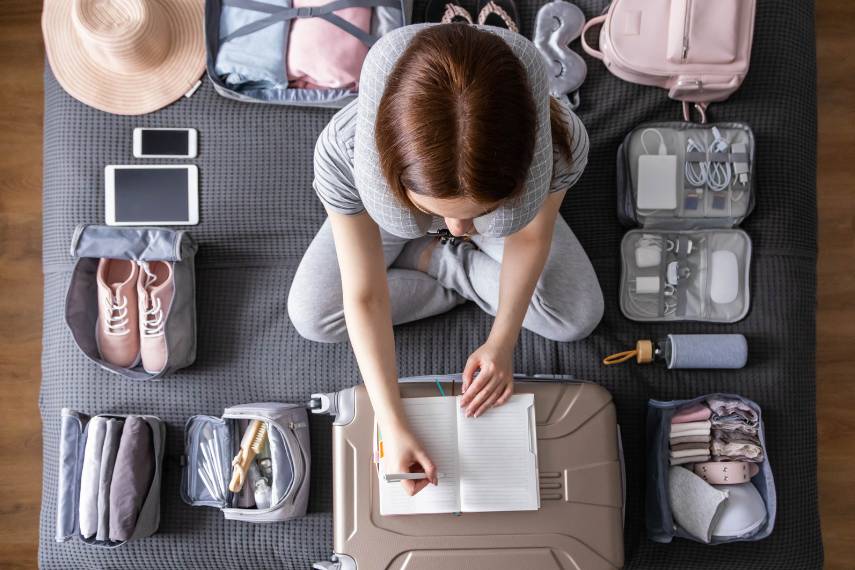
Packing for Morocco in 2026 involves more than simply preparing layers for a three-season day. While the mild afternoons are perfect for a t-shirt, the true magic of this month lies in the gear that helps you navigate the country’s diverse landscapes and quiet winter charm.
Beyond your layers, think about the practicalities of a February journey. Since the sun remains surprisingly strong despite the cool air, a high-SPF sunscreen and quality sunglasses are important for long walks through historic quarters and open markets. If you are heading to the coast for the winter swells or deep into the Sahara for those crystal-clear, stargazing nights, your tech kit is just as important as your coat. A reliable power bank is a must for those long photography days, and a Type C/E adapter will keep you connected in your riad.
| Category | The Essentials |
| Daily Gear | Daypack, reusable water bottle, and hand sanitizer. |
| Tech & Power | Universal adapter (Type C/E) and a high-capacity power bank. |
| Sun & Skin | SPF 30+ sunscreen, lip balm, and polarized sunglasses. |
| Footwear | Broken-in trainers or sturdy walking boots. |
| Health | Basic first-aid, rehydration salts, and personal meds. |
| Documents | Passport, travel insurance, and a few printed booking copies. |
Hacks & Tips to Visit Morocco in February 2026
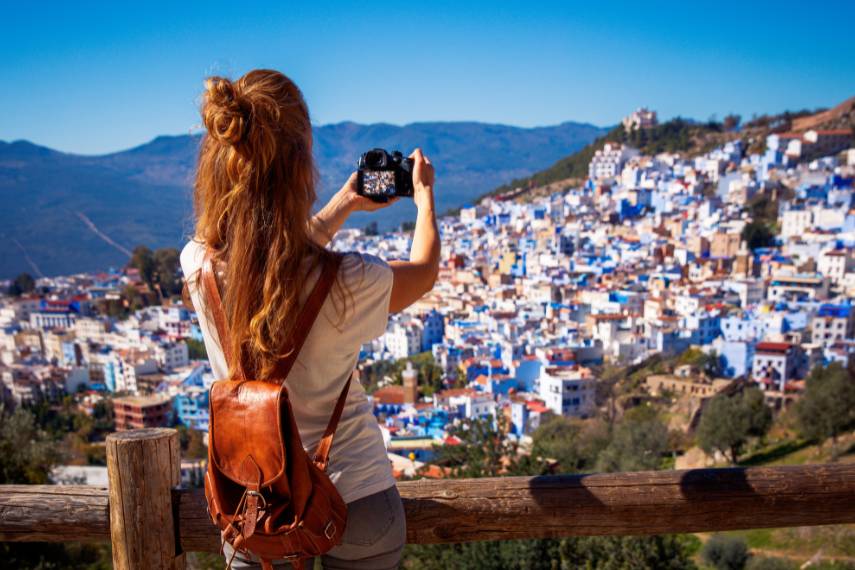
The following travel hacks and tips will make your journey smooth to Morocco in February 2026:
-
- Pack light cottons for afternoons and a warm jacket or fleece for nights in the desert or mountains.
-
- Bring sturdy, closed-toe walking shoes for the uneven, cobbled streets of the ancient Medinas.
-
- Since Ramadan begins mid-February, be respectful by avoiding eating, drinking, or smoking in public during daylight hours.
-
- Respect local customs by keeping your knees and shoulders covered while visiting religious sites.
-
- The dirham (MAD) is the currency of Morocco. Keep cash as it is essential for souks, taxis, and small cafes. You can use cards in Marrakech; however, rural areas and local markets use cash-only.
-
- Rabies is a serious risk in Morocco. Avoid all contacts with stray dogs, cats, or monkeys. If bitten or scratched by an animal, wash the wound thoroughly with soap and water for 15 minutes, then seek medical attention right away.
-
- Consult a travel clinic before your February 2026 departure for Rabies, Hepatitis A, and Typhoid jabs.
-
- Drink only bottled water and avoid ice in drinks to avoid stomach upsets.
-
- Make sure to take permission before capturing photos of locals.
-
- Take travel insurance, and ensure your policy includes emergency medical repatriation and covers trekking or winter sports if visiting the Atlas Mountains.
-
- Check the National Travel Health Network and Centre (NaTHNaC) for the most recent 2026 alerts regarding animal-borne diseases in North Africa.




No Comments on Why February Is the Perfect Time to Visit Morocco: A Complete 2026 Guide