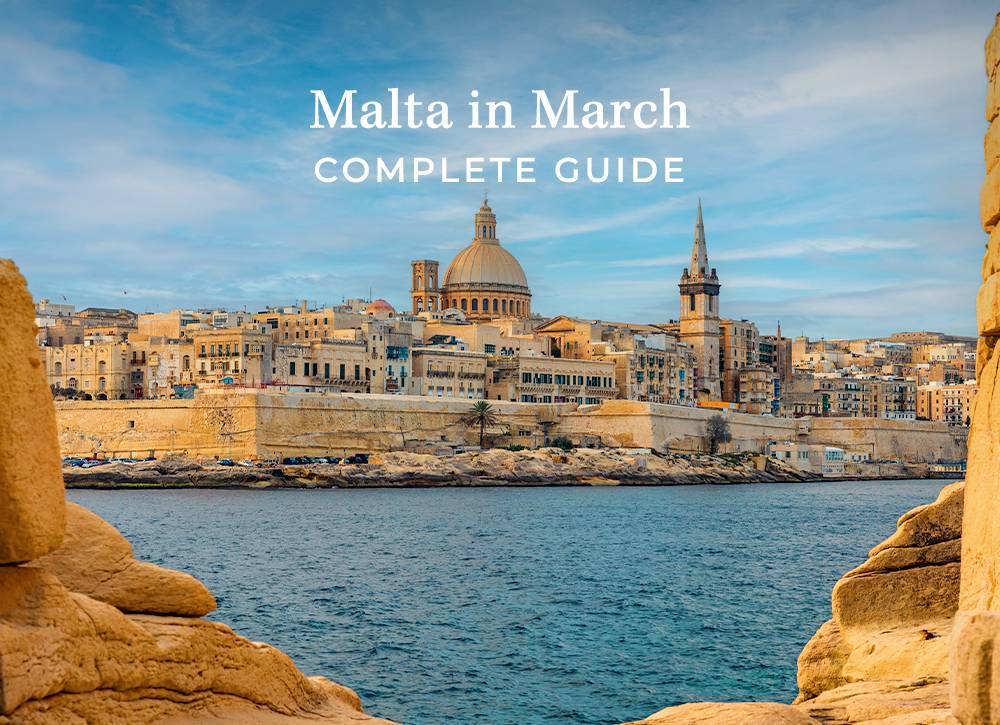
March is the shoulder season in Malta and one of the prime times if you wish to enjoy the weather while evading the peak rush. Planning a getaway during the quieter shoulder season can transform a good trip into a great one. This guide is created for travellers considering a visit at a time when the islands feel open, welcoming, and easy to explore. Mild weather encourages long walks through historic cities, scenic coastal hikes, and relaxed days discovering local cafés and traditions. With fewer tourists around, it’s simpler to move at your own pace while still enjoying a lively cultural calendar.
From travel planning essentials and accommodation tips to seasonal activities and must-see highlights, this article helps you decide what to pack, where to go, and how to make the most of your stay. It’s an ideal moment for curious travellers seeking comfort, culture, and authentic experiences.
Is March a good time to visit Malta?
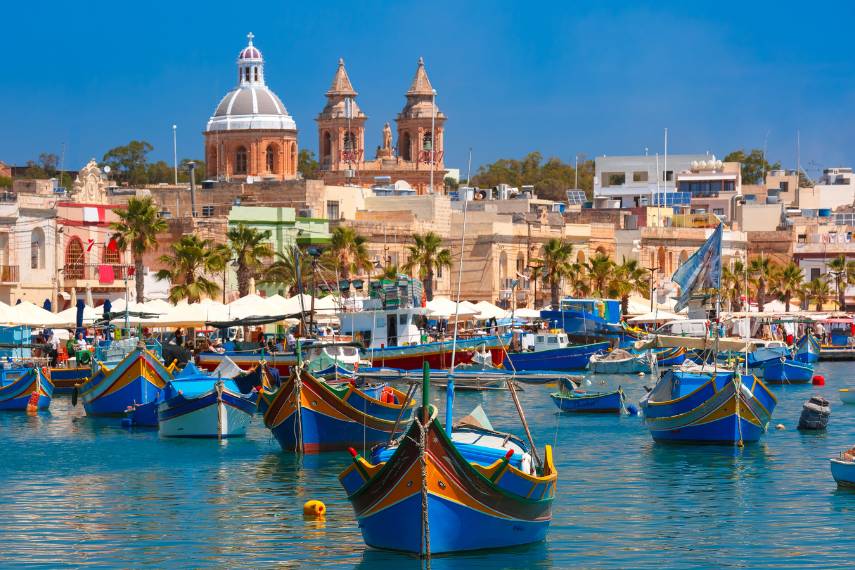
Yes, March is a great time to visit Malta. The island enjoys mild, comfortable weather that’s ideal for sightseeing, walking, and exploring historic towns without the intense summer heat. With fewer visitors around, attractions feel more relaxed and enjoyable, allowing travellers to experience local life at an easy pace. During the month, nature begins to come alive with greenery and wildflowers, making coastal paths and countryside views especially beautiful.
Travel costs are often more reasonable, and it’s easier to find accommodation and dining options without long waits. Cultural events and traditional celebrations add extra character to the experience, creating a balanced and rewarding visit for travellers who value comfort, authenticity, and variety.
Overview of Weather in Malta in March
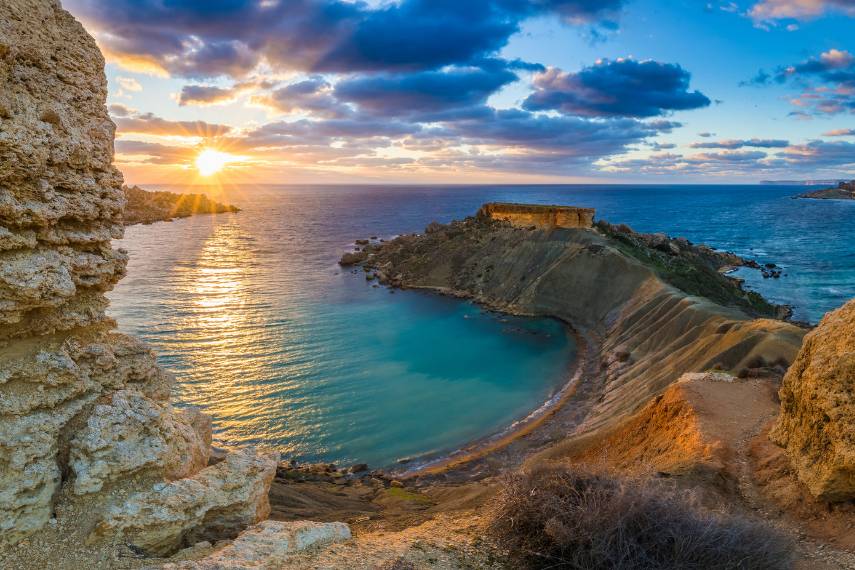
March brings comfortable and refreshing weather to Malta, ideal for exploring the islands at a relaxed pace. Daytime temperatures generally sit between 15°C and 20°C, offering pleasant warmth without feeling too hot, while evenings stay cool and crisp. Rainfall is relatively low, averaging around 30 to 40 mm throughout the month and usually falling in short, light showers. These conditions keep the landscape green and vibrant while still allowing plenty of bright, sunny days. The weather feels balanced and inviting, perfect for travellers who enjoy mild temperatures and clear air.
What to Wear in Malta in March?
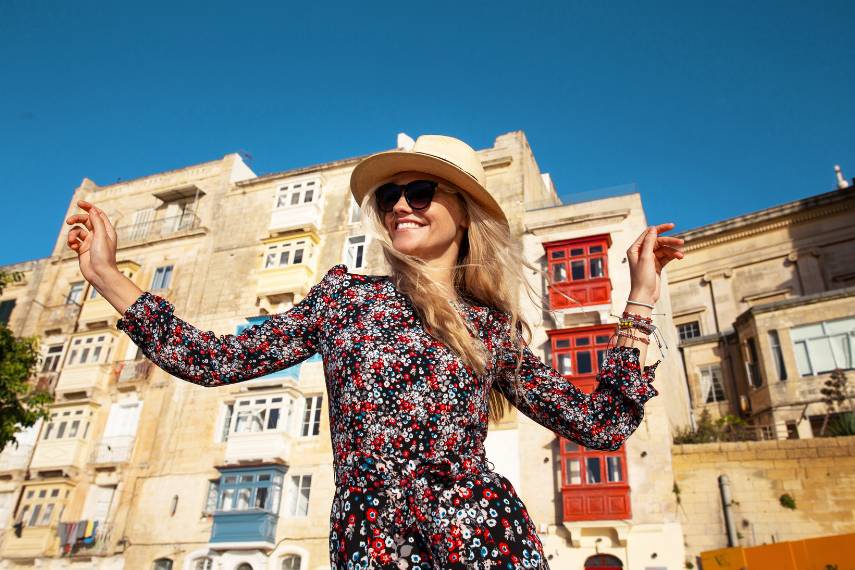
Packing for Malta in March is all about light layers and flexibility. Comfortable daytime clothing such as long-sleeve tops, breathable shirts, and lightweight trousers works well for mild temperatures. A light jacket or sweater is useful for cooler mornings and evenings, especially near the coast. Comfortable walking shoes are essential for exploring historic streets and scenic paths. It’s also a good idea to bring a compact rain jacket or umbrella for occasional showers. Sunglasses and a light scarf can add both comfort and style. The dressing in layers allows you to stay comfortable throughout the day while enjoying everything Malta has to offer.
Visitor Arrivals: Is Malta Crowded During March?
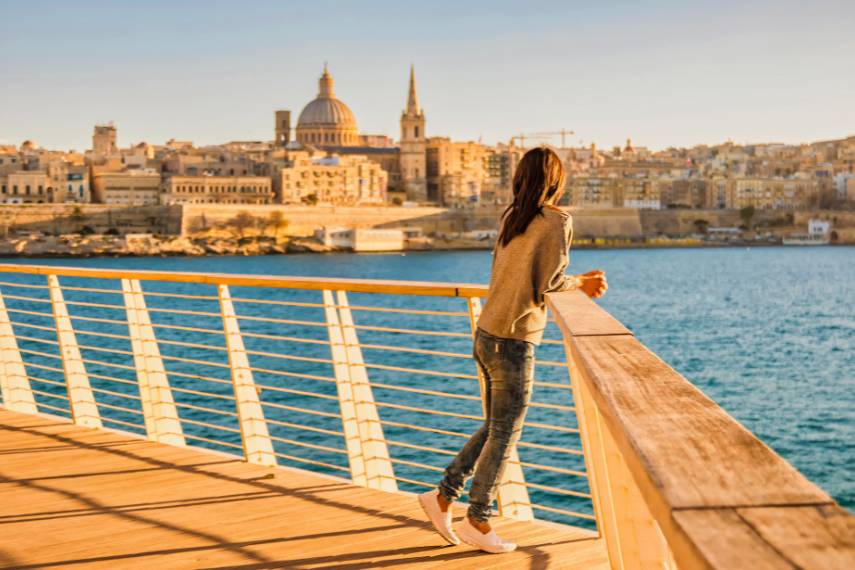
Crowds are generally lighter during this time of year, making it an appealing choice for travellers who prefer a calmer experience. Popular attractions, historic sites, and coastal areas are far easier to explore without long lines or heavy congestion. Streets feel lively yet relaxed, allowing visitors to enjoy sightseeing, dining, and guided tours at a comfortable pace. While activity does begin to increase compared to the winter months, it remains well below the busy summer levels. This balance creates a welcoming atmosphere where local life is still visible and authentic. Malta in March offers a pleasant blend of energy and space, ideal for travellers seeking enjoyment without the stress of peak-season crowds.
Average Costs of a Trip to Malta in March
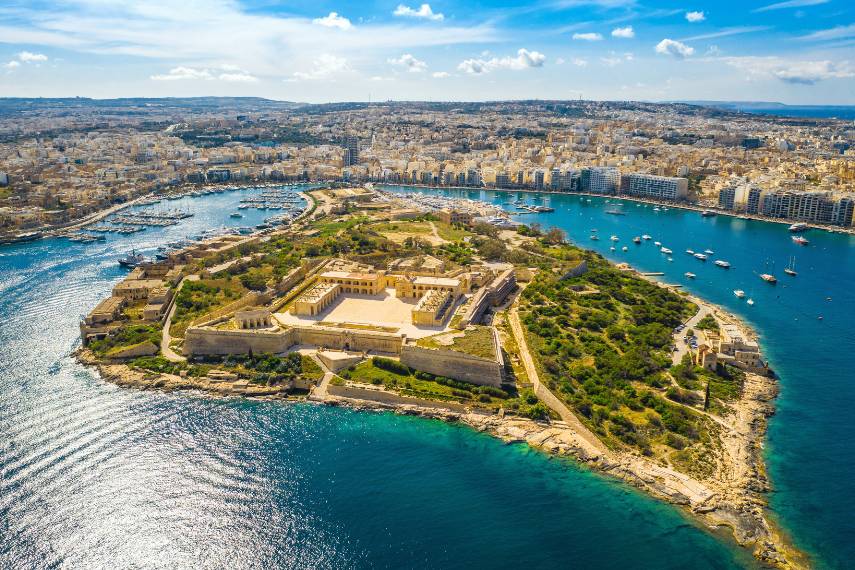
It is important to know the average cost of your trip to Malta in March. Here is a brief overview of this, so you can get a rough idea of the trip.
Airfare:
Airfare to Malta in March is generally good value, especially for travellers booking in advance or flying from major UK airports. Return economy flights typically range between £60 and £150, depending on departure city, airline, and how early tickets are purchased. Budget carriers often offer competitive fares, while full-service airlines may cost more but include added comfort and luggage allowances. Because March sits outside the peak summer season, prices tend to remain stable and affordable, giving travellers flexibility in choosing flight times and dates without paying premium rates. Overall, flights during this period offer excellent value for money.
Hotels and Resorts:
Accommodation costs in Malta during March are noticeably lower than in peak season, making it an attractive time to stay comfortably without overspending. Budget hotels and guesthouses usually cost around £50 to £90 per night, offering clean rooms and convenient locations. Mid-range hotels and well-rated resorts often range from £100 to £160 per night, with added amenities such as sea views, pools, and on-site dining. Luxury resorts may still offer discounted rates compared to summer, providing excellent value. With more availability, travellers can choose prime locations at more reasonable prices.
Transfers:
Transfers in Malta are relatively affordable and easy to manage in March. Public buses are the cheapest option, with weekly travel cards costing around £21, making them ideal for budget-conscious travellers. Taxis from the airport to popular areas typically range between £15 and £30 one way, depending on distance. Ride-hailing services offer similar pricing and convenience. For added comfort, private airport transfers usually cost around £25 to £40, especially for hotels and resorts. With less traffic than peak months, transfers are smoother, quicker, and stress-free.
Things to Do in Malta in March
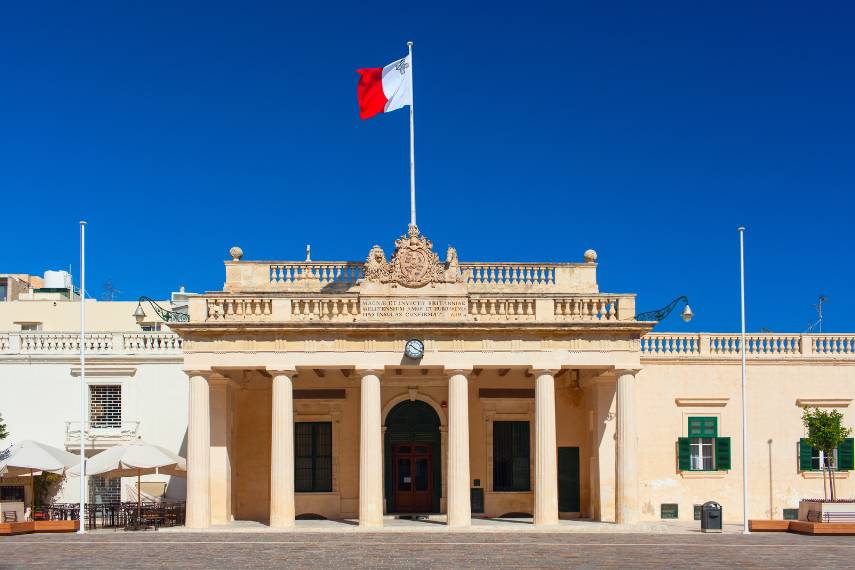
Your visit to this amazing destination during March will offer a well-balanced travel experience shaped by pleasant conditions and a relaxed atmosphere. The islands feel open and welcoming, allowing visitors to appreciate their character without seasonal pressure or crowds. It’s an ideal time to enjoy the destination at a slower pace, with comfortable weather supporting long days of discovery and appreciation.
The landscape appears fresh and vibrant, while towns and villages maintain an authentic, everyday rhythm. Travel feels easier and more personal, with better availability across services and accommodations. Overall, this period suits travellers who value comfort, cultural depth, and a calm environment, making the experience feel rewarding, immersive, and thoughtfully paced from start to finish.
Things to Do in Malta in March | |
Explore historic cities and old towns without heavy crowds | Discover museums, galleries, and cultural landmarks |
Walk along scenic coastal paths and countryside trails | Take boat trips around harbours and nearby islands |
Visit ancient temples and archaeological sites at a relaxed pace | Attend local festivals and seasonal cultural events |
Enjoy outdoor cafés and traditional Maltese cuisine | Capture landscapes, architecture, and spring scenery through photography |
Shop at village markets and local craft shops | Relax by seaside promenades and peaceful waterfront areas |
Best places to visit in Malta in March
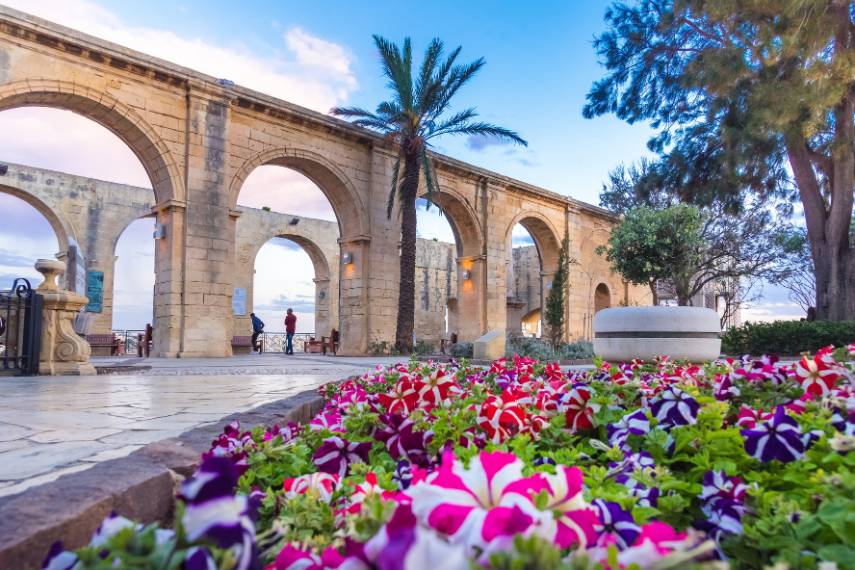
March is a wonderful time to explore different parts of the islands at a comfortable and unhurried pace. With mild weather and fewer visitors, moving between areas feels easy and enjoyable, allowing each place to reveal its character naturally. Coastal towns feel calm yet lively, while inland areas offer a more traditional and local atmosphere.
The balance between urban spaces, seaside settings, and quiet villages makes travel feel varied without being overwhelming. Better availability and relaxed surroundings create ideal conditions for discovery and appreciation. Overall, this time of year allows visitors to experience Malta as a whole rather than rushing between highlights, making every stop feel more personal and rewarding.
Places to visit in Malta in March | |
Mdina (the Silent City) | St. John’s Co-Cathedral |
Valletta Old Town | Dingli Cliffs |
Blue Grotto | The Three Cities (Vittoriosa, Senglea, Cospicua) |
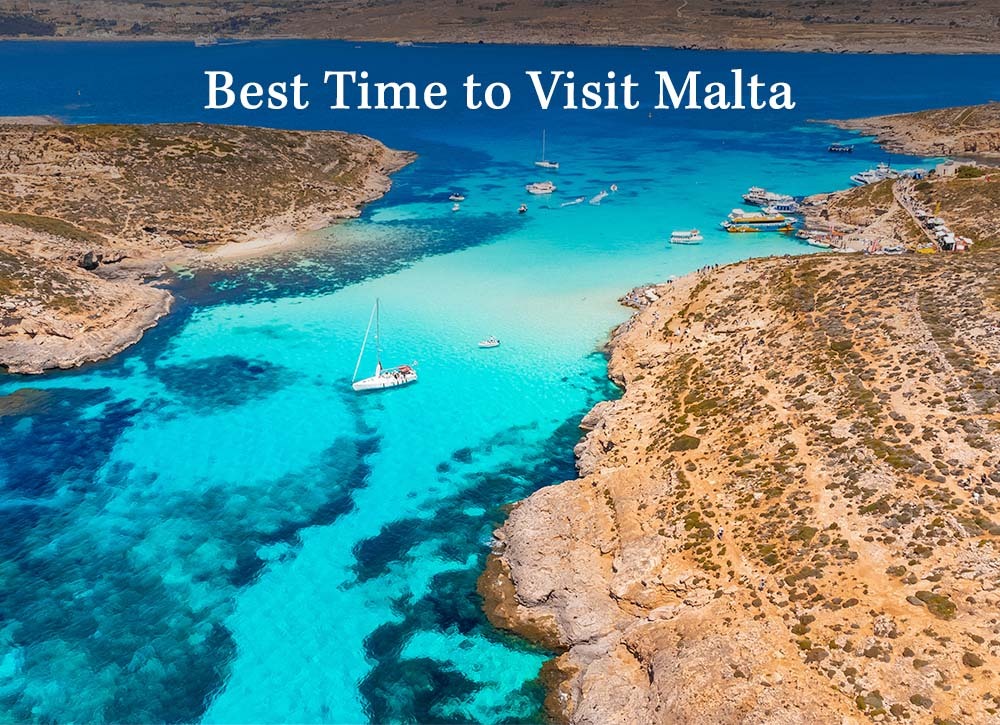
Ġgantija Temples | Comino and the Blue Lagoon |
Marsaxlokk Fishing Village | Upper Barrakka Gardens |
Where to Stay in Malta in March?
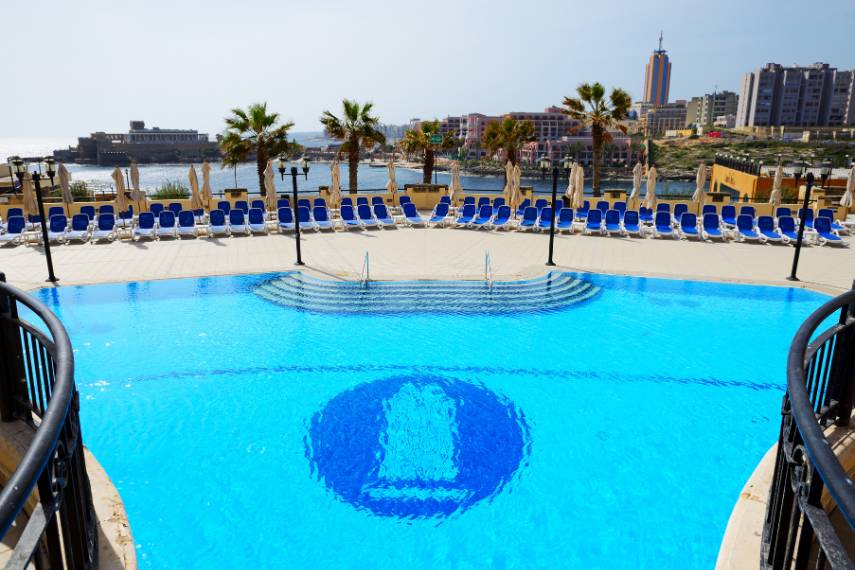
Choosing where to stay in Malta during March is easier and more flexible than in the busy summer months. Accommodation options range from budget-friendly guesthouses to mid-range hotels and luxury resorts, offering something for every type of traveller. With fewer visitors, rooms are more readily available, and rates tend to be lower, giving better value for money.
Coastal areas provide a peaceful retreat with scenic views, while towns and city centres allow easy access to local life and dining options. Many properties offer comfortable amenities for longer stays or shorter trips, and booking in advance ensures the best selection. Overall, March provides a relaxed and convenient environment for finding the ideal place to stay.
Places to Stay in Malta in March | |
Corinthia Hotel St. George’s Bay | InterContinental Malta, St. Julian’s |
Hotel Juliani, St. Julian’s | Palazzo Consiglia, Valletta |
The Phoenicia Malta, Valletta | Maritim Antonine Hotel & Spa, Mellieħa |
Ax The Palace, Sliema | Villa Bologna Boutique Hotel, Attard |
Hotel Ta’ Cenc & Spa, Gozo | Urban Valley Resort & Spa, Rabat |
What to Eat in Malta in March?
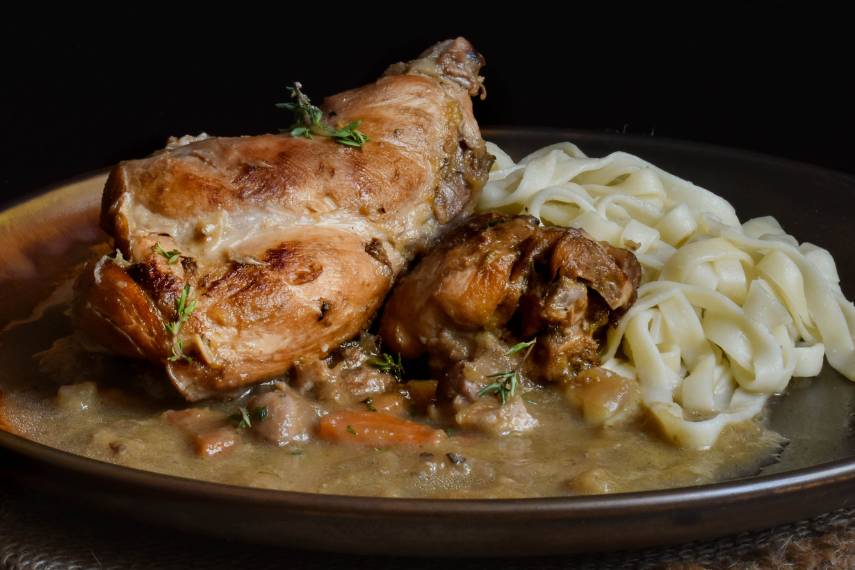
Visiting the islands during this time of year offers a wonderful opportunity to savour the region’s rich and diverse cuisine. Seasonal ingredients, including fresh vegetables, herbs, and seafood, bring vibrant flavours to traditional dishes. Travellers can enjoy specialities such as rabbit stew (fenek), pastizzi pastries, lampuki pie, bragioli (beef olives), and gbejna (local cheese).
Cafés and restaurants also serve fresh bread, hearty soups, and sweet treats like qagħaq tal-għasel. Many meals combine simple, high-quality ingredients with Mediterranean influences, creating unique and satisfying flavours. Seasonal offerings tied to local traditions add an authentic touch, making every dining experience a memorable part of the visit.
Places to Eat in Malta in March | |
Nenu The Artisan Baker, Valletta | D’Office Bistro, Valletta |
Ta’ Kris, Sliema | Ta’ Frenc, Gozo |
Rampila, Valletta | Barracuda Restaurant, St. Julian’s |
Rubino, Valletta | The Medina Restaurant, Mdina |
Palazzo Preca, Valletta | Caffe Cordina, Valletta |
What to Pack in Malta in March?
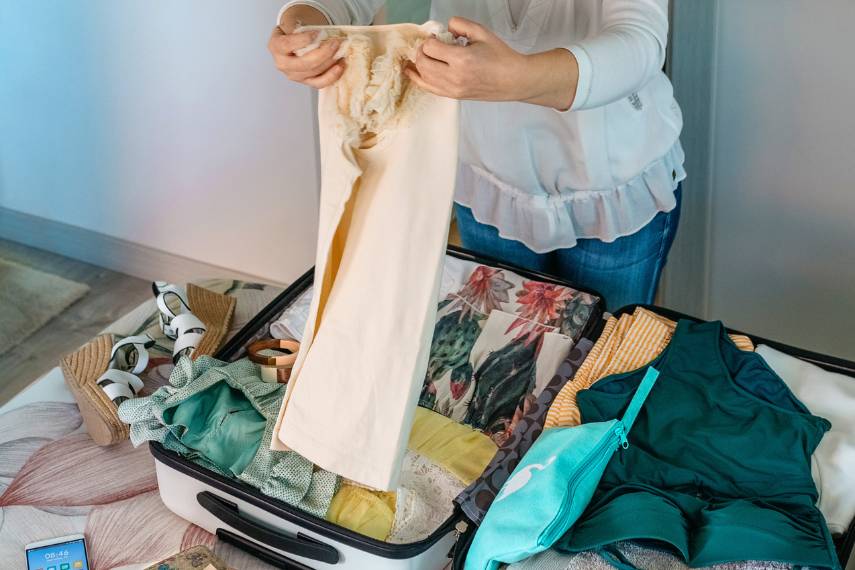
Packing for a visit at this time of year requires layers and versatility. Days are generally mild, so lightweight shirts, trousers, and comfortable walking shoes are ideal for exploring. Evenings can be cooler, making a light jacket or sweater essential. A compact rain jacket or umbrella is useful for occasional showers, while sunglasses and a hat help with bright sunny periods. For those planning to dine out or enjoy cultural venues, a smart-casual outfit is recommended. Don’t forget essentials like reusable water bottles, sunscreen, and a small daypack for excursions. Overall, packing with flexibility in mind ensures comfort and readiness for both outdoor activities and relaxed city exploration during this season.
Hacks & Tips to Visit Malta in March
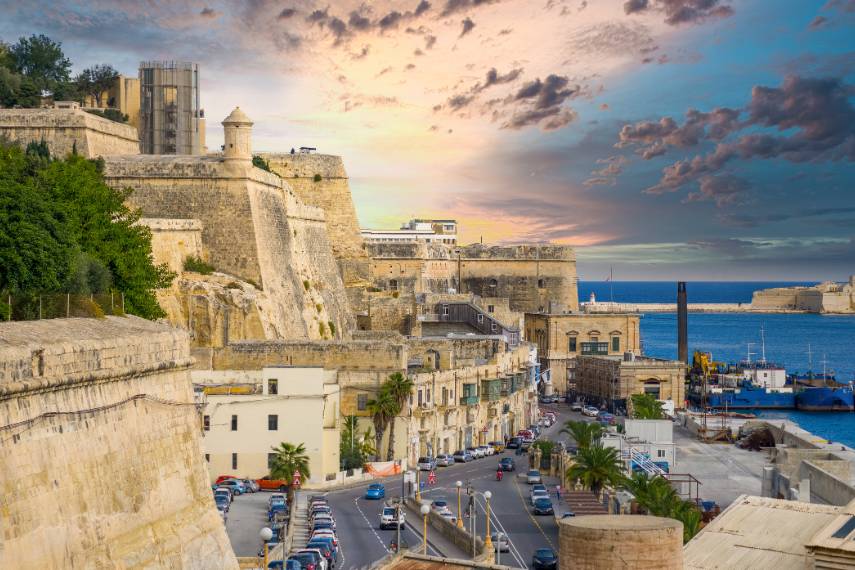
Here are some helpful hacks that you should keep in mind:
- Airfares are reasonable, but early booking secures the best deals.
- Temperatures can vary, so pack layers for both warm days and cooler evenings.
- Public transport is good, but a car makes exploring remote areas easier.
- Visit popular sites early to enjoy a more relaxed experience.
- Seasonal events offer cultural experiences not available during summer.
- Stay near the coast or central towns as it is convenient for sightseeing, dining, and transfers.
- Bring comfortable walking shoes as streets can be uneven, and trails may be rocky.
- Plan outdoor activities for sunny days, as you can take advantage of mild weather for walks and exploration.
- Book accommodation in advance as it offers more options and better rates even in the shoulder season.